WATERHer at the UN: Why Women Must Have a Say in Water Governance
At the UN General Assembly, an African water agency and Libya argued that the people who carry water should decide where it flows. There is a small decision that plays out every morning in homes without a tap. Someone has to fetch the water, and in seven out of ten of those households worldwide, that […] The post WATERHer at the UN: Why Women Must Have a Say in Water Governance appeared first on Time Africa.
 Black News
At the UN General Assembly, an African water agency and Libya argued that the people who carry water should decide where it flows.
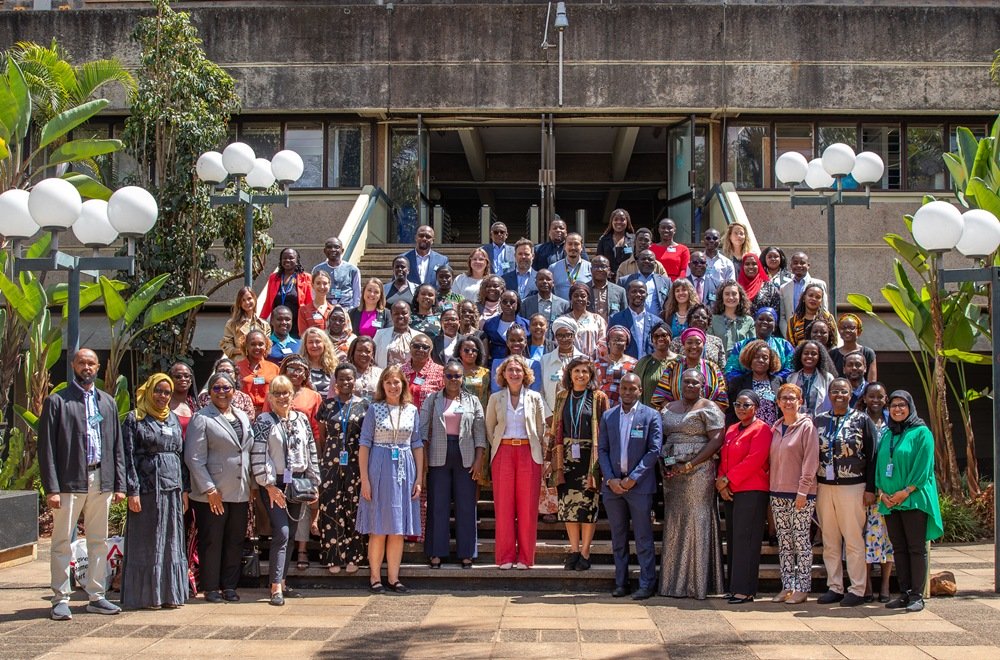
There is a small decision that plays out every morning in homes without a tap. Someone has to fetch the water, and in seven out of ten of those households worldwide, that someone is a woman or a girl. The hours spent walking to a well or a standpipe are hours not spent in a classroom, a business or a council meeting. On 30 September, that quiet arithmetic was the starting point for a gathering of ministers, ambassadors and scientists at United Nations Headquarters in New York, who argued that the women doing the carrying should also be doing the deciding.
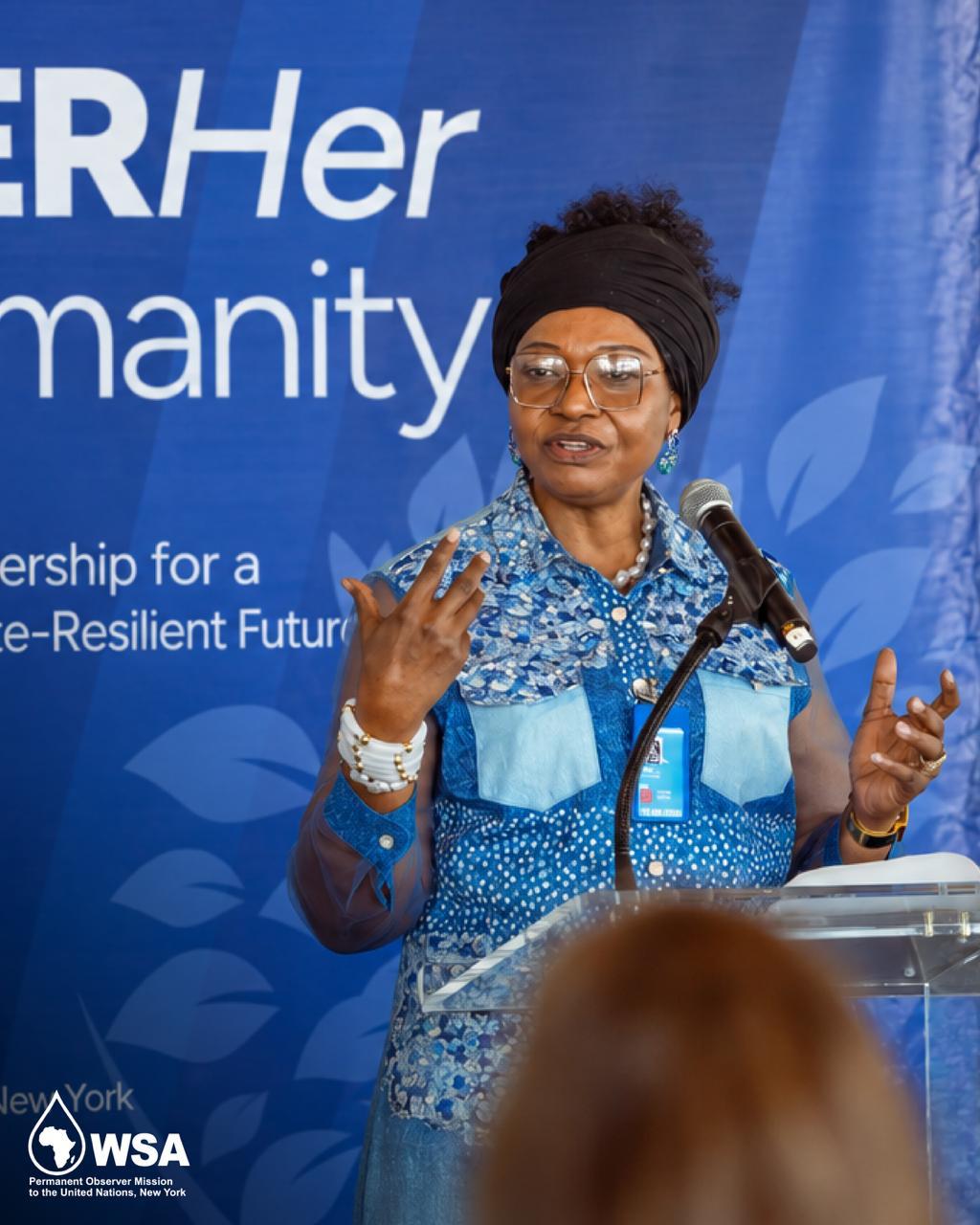
The side event, WATERHer for Humanity, was hosted during the 81st session of the General Assembly by the Permanent Observer Mission of the Pan African Intergovernmental Agency for Water and Sanitation for Africa (WSA). Its message was blunt. Water security, participants agreed, is as much about governance as it is about rainfall and rivers, and women need real authority over water decisions rather than a token chair at the table. Ambassador Dr. Nabhit Kapur, who heads the Mission, put it in the plainest terms of the day, saying families experience multilateralism “not through communiqués, but through whether the tap runs.”
The scale of the problem explains the urgency. In 2024, 2.1 billion people lacked safely managed drinking water, 3.4 billion lacked safely managed sanitation, and 1.7 billion had no basic hygiene services at home. The burden falls hardest where infrastructure is thinnest, and much of that is in Africa. More than thirty years after the Beijing Declaration called for women’s full and equal participation in decision-making, the room in New York was effectively asking why that promise still stops at the water point.
The most concrete answer came from North Africa. Libya launched its Women and Water Management Initiative, which aims to bring more women into leadership, build their scientific and technical skills and back research led by women. It also proposed an international and regional network of women in water leadership. For a country whose water story is defined by scarcity, putting women at the centre of that conversation is a signal worth noting.
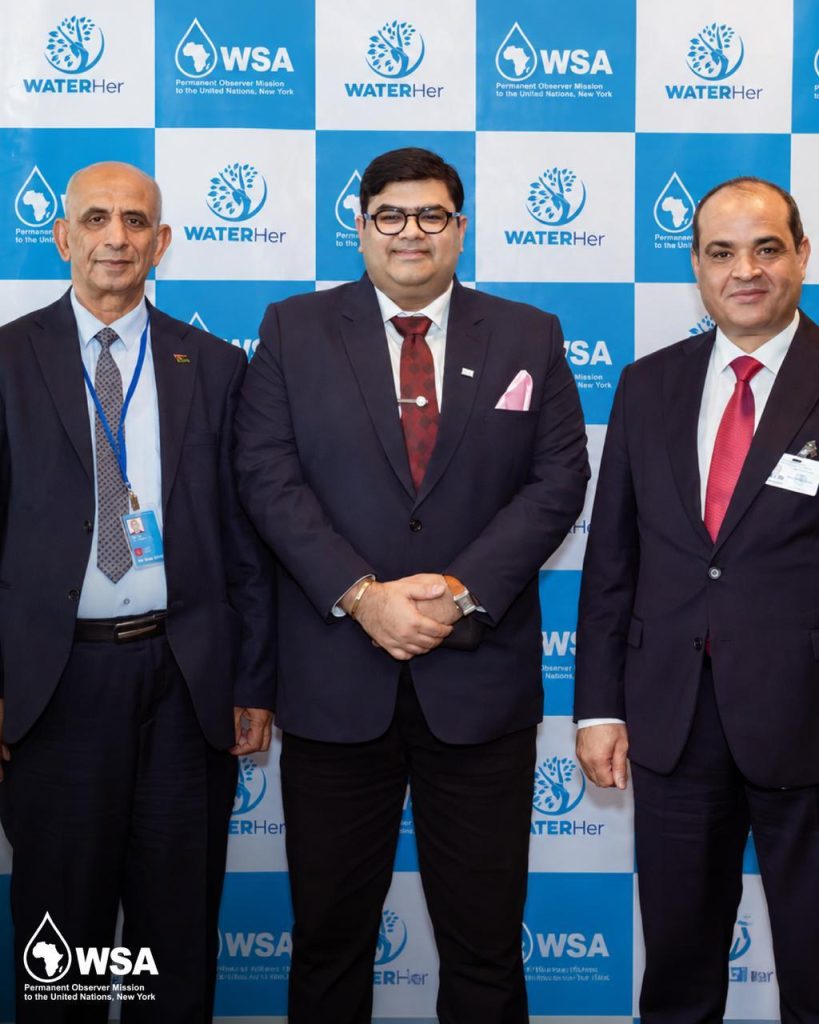
WSA set out its own blueprint through WATERHer, its women-led flagship programme, built on five areas of action: community water hubs run by women, climate-resilient water and sanitation systems, public health and water-safety training, gender-water innovation labs and a Women’s Water Leadership Academy. Other voices widened the frame. The International Union for Conservation of Nature proposed a voluntary global framework to gather water targets now scattered across the Sustainable Development Goals, the Paris Agreement and other conventions, while Curaçao pitched a Resilience Exchange so small island states can share proven solutions and buy technology together.
In total, the meeting produced sixteen commitments, launches and proposals. Seven have been made or delivered by WSA or Libya. The other nine depend on Member States, the UN system and partners, which is exactly where good intentions at the UN have sometimes stalled in the past. The Mission also opened co-sponsorship of a draft resolution proclaiming 19 March the International Human Day for Water, to be observed annually from 2027, and released its Water and Sanitation Bulletin 2025–2026.
What sets this effort apart is that it comes with a scorecard. The Mission has committed to publishing clear water indicators, reporting against them and presenting a progress statement at every General Assembly session, starting in September 2027. Before then, the outcomes travel to the UN Water Conference in Abu Dhabi from 8 to 10 December.
That promise of accountability is the real test. Africa has heard many declarations about women and water, and plenty have faded once the cameras left. This time, an African-led agency has attached its name to targets it can be measured against, and an African government has put a programme on the table. If the coming year delivers women running water hubs, sitting on utility boards and leading research, the girl walking to the well this morning may one day be the one deciding where the next pipe goes.
The post WATERHer at the UN: Why Women Must Have a Say in Water Governance appeared first on Time Africa.