What is osteosarcoma? The rare bone cancer that claimed rapper Brie Lee’s life
The South African music industry is mourning the loss of Khayelitsha rapper Brie Lee (born Liyema Ndibi), who has died at the age of 27. The artist had been battling […]
 Black News
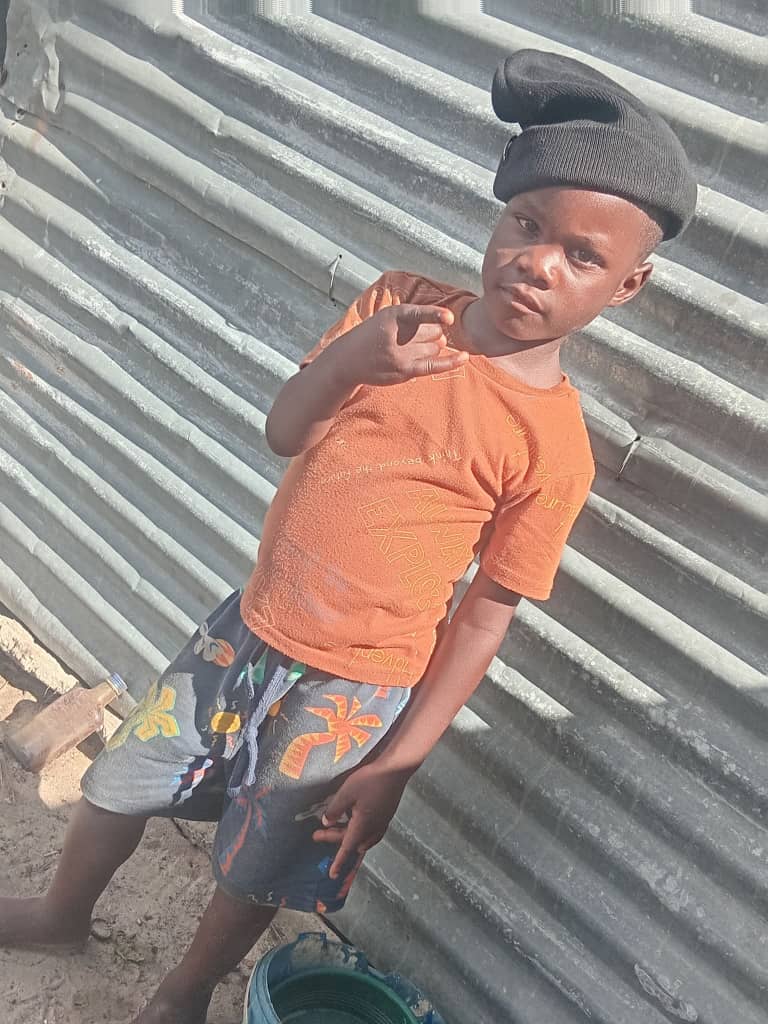
The South African music industry is mourning the loss of Khayelitsha rapper Brie Lee (born Liyema Ndibi), who has died at the age of 27.
The artist had been battling osteosarcoma, a rare and aggressive form of bone cancer.
Her passing has sparked an outpouring of grief from fans, fellow artists and the wider Cape Town community, who watched her face her diagnosis with extraordinary honesty and resilience.
Lee’s journey did more than capture hearts; it united a nation.
When she revealed her diagnosis, ordinary South Africans demonstrated the true spirit of Ubuntu, rallying together online to raise thousands of rands in a matter of hours to help fund her emergency medical careand surgery.
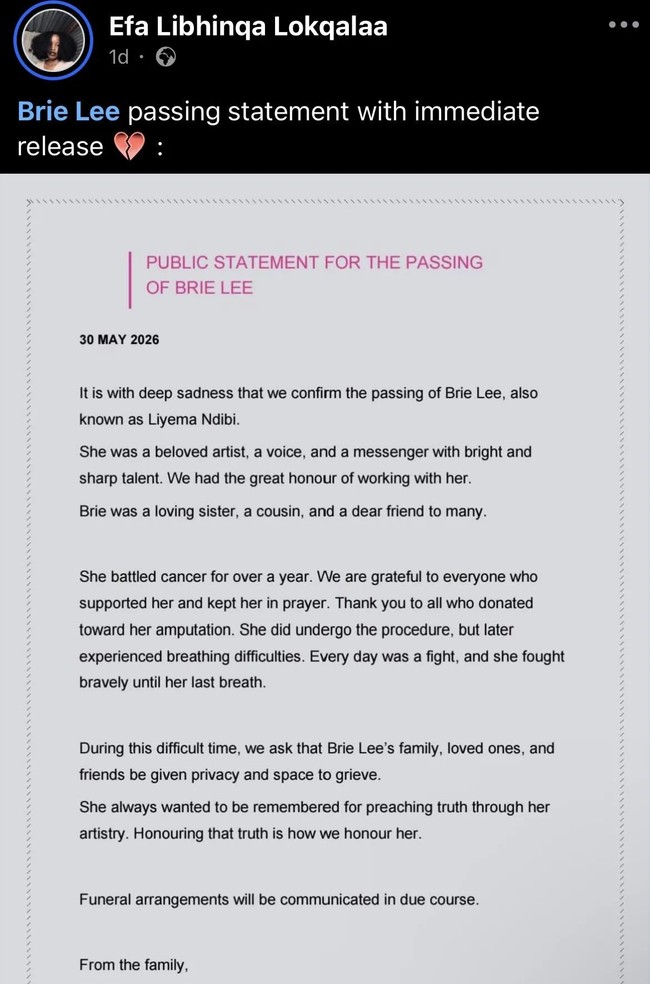
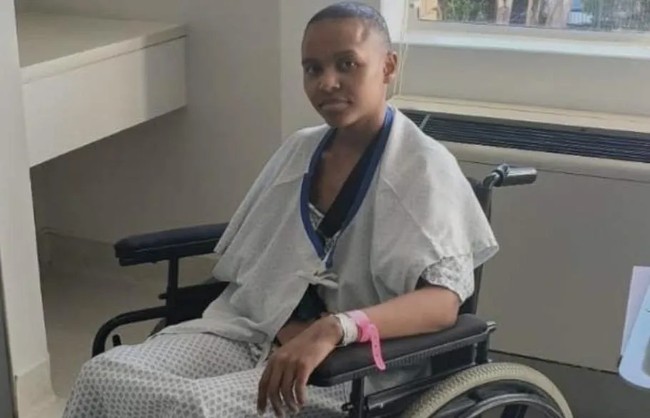
Tragically, her family confirmed that following her recent arm amputation, she experienced severe breathing difficulties and passed away peacefully.
@mynameis_brielee The song and it’s visuals out now! #viral_video #femalerapper#sama28 #safemalerapper #bestfemalerapper #storyteller @BIMA @Umhlobo Wenene @Womenrights @GagasiFM ♬ original sound – Brie Lee
Beyond the heartbreak, her story is now shining a light on a disease that many South Africans know very little about.
Lee’s rise in Cape Town’s hip hop scene was more than just a musical success story. Known for hit tracks such as “Somandla”, “Imbokodo”, “Amantombazana” and “Solomoni”, she represented a new generation of township artists, proudly telling local stories in her native isiXhosa.
Her music celebrated identity, womanhood and perseverance. Even while navigating intense cancer treatments, she continued to inspire her followers with positive updates and an unshakeable determination to return to the stage.
Throughout her journey, she remained deeply hopeful, telling supporters: “My greatest desire is to move past this struggle and return to my passion for creating music.”
Tributes
As news of her passing spread, emotional tributes flooded social media from peers who respected both her talent and her grit.
Musician iFani wrote, “You put up a good fight and pushed the Xhosa Wave forward. Enkosi for your life in the game.”
Industry colleague Sakhumzi Patuleni added, “I really thought you had beaten cancer after the amputation. You finished the race, strong mbokodo.”
In a statement posted on Facebook, her family shared that she ultimately wanted to be remembered for “preaching truth through her artistry”. To honour that legacy, it is vital to understand the silent illness she fought so bravely.”
What is osteosarcoma?
Osteosarcoma is the most common primary cancer that starts directly in the bone tissue, though it remains rare overall.
It develops when abnormal cells begin producing immature bone tissue, creating tumours that can grow aggressively. If left unchecked, it can spread to other parts of the body, particularly the lungs.
According to data published by the Scientific Electronic Library Online (SciELO), the disease is most frequently diagnosed in teenagers and young adults, often during periods of rapid skeletal growth.
While it can occur in older adults, the highest incidence is among young people aged 15 to 25.
While bone cancers account for a small percentage of overall cancer diagnoses globally, local data highlights a pressing issue.
Research from the South African Orthopaedic Journal (SAOJ) suggests that osteosarcoma is the most common primary malignant bone tumour seen locally, accounting for more than 70% of malignant bone tumours treated in certain South African oncology units.
Osteosarcoma symptoms: 5 warning signs to look out for:
Because early detection is life-saving, it is crucial to recognise the symptoms. Many of these early signs are easily mistaken for sports injuries, growing pains, or simple muscle strain:
1. Persistent bone pain: Unexplained pain around the knee, leg or arm that does not go away is one of the earliest warning signs. Medical journals note that this pain often intensifies at night.
2. Swelling around a bone or joint: A noticeable, firm lump or swelling may develop over the affected area as the tumour grows.
3. Difficulty moving a limb: The affected area can become stiff, weak and highly painful during daily movements.
4. Limping or reduced mobility: Many patients begin changing how they walk or alter how they use their arms due to growing discomfort.
5. Unexpected fractures: In some cases, the cancer weakens the bone structure so severely that a break occurs after a minor bump or seemingly trivial injury.
How is osteosarcoma treated?
Standard medical care typically involves a combination of aggressive chemotherapy and specialised surgery.
Clinical guidelines from Mediclinic outline that while surgeons always attempt limb-preserving surgeries to remove the tumour, advanced cases like Lee’s require amputation to halt the spread of the cancer to vital organs.
Lee’s story is heartbreaking because it feels unfinished. At just 27, she was still building her career, still creating and still dreaming.
However, by facing her battle so publicly and honestly, she has left behind a powerful legacy of awareness that could save lives across South Africa.