Where the American South Still Tells Its Stories by Hand
A literary look at Southern identity, food, music, porch talk, football Saturdays and modern fan habits. The post Where the American South Still Tells Its Stories by Hand appeared first on Deep South Magazine.
 Black News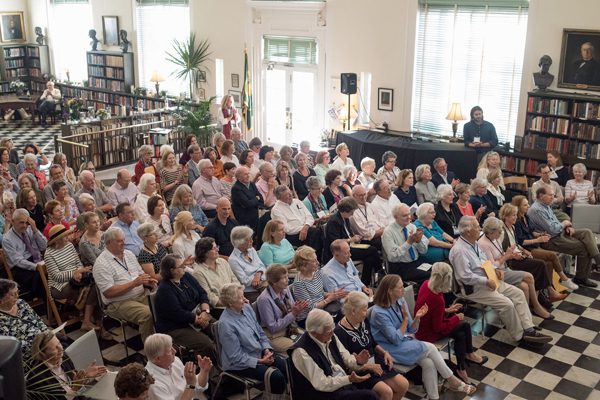
The American South is not one thing. It is red clay on a church shoe, shrimp boats easing home before weather turns, a high school football field glowing under August lights and a grandmother who can measure flour by sight. Its identity sits in small rituals more than slogans. The region keeps changing, too; the South reached about 133.8 million residents in 2025, making it the country’s largest census region by population.
That growth has not erased the old texture. It has complicated it. Atlanta builds upward while Delta towns fight to keep schools open. Nashville cranes swing above honky-tonks. New Orleans argues with memory every morning and still manages lunch before noon.
The Porch as a Newsroom
Before the feed, there was the porch. People learned who had married badly, who had bought land, who had come back from Houston with money and silence. The porch was not nostalgia. It was infrastructure.
In Southern towns, news often traveled with a plate. A funeral casserole carried grief and census data no agency could record. Who showed up mattered. Who stayed late mattered more.
Food tells the same story. The Southern Foodways Alliance documents and studies the diverse food cultures of the changing American South, often using oral histories to preserve local memory and labor. That matters because barbecue, gumbo, cornbread, tamales, oysters, hot chicken and rice are not props. They are biographies with salt.
Friday Night and the Long Memory of Sport
Sport in the South rarely stays inside the lines. A game can become a town meeting, a family reunion, a weather report and a moral argument before the second quarter ends. College football may get the television money, but the soul often starts lower: marching bands warming up behind buses, coaches taping ankles, fathers pretending not to care.
Modern fans still chase that same pulse, only the screen has moved into the hand. A Saturday slate now mixes injury reports, weather, line movement and live scores with tailgate smoke and porch noise. For fans who follow odds as carefully as formations, best betting apps android become a practical part of the sports routine rather than a separate habit. The useful app is not the loudest one; it is the one that keeps markets readable, bet slips clear and stake decisions disciplined before emotion takes over. Good bankroll habits still matter more than any interface.
Church Bells, Work Boots and New Neighbors
The South has always been misunderstood by people who want it simple. It is devout and profane, polite and cutting, wounded and funny. Pew’s 2023–24 Religious Landscape Study surveyed more than 35,000 U.S. adults and remains one of the strongest recent sources for tracking faith, practice and regional religious change.
That shift shows up in daily life. The church parking lot still fills on Sunday, but the same town might host a food truck festival, a Día de los Muertos event and a blues workshop by sunset. The South absorbs newcomers, then makes them argue about tomato gravy.
Work shapes the region as much as worship. Poultry plants, ports, farms, logistics hubs, hospitals and film crews all leave marks. In Louisiana, a shrimp season can decide whether a family breathes. In Georgia, a warehouse shift can replace a cotton field and still break the same back.
Music That Refuses to Behave

Southern music carries too many passports to behave neatly. Gospel-fed soul. Blues-fed rock. Country borrowed from Black string bands and Appalachian ballads. Bounce, trap, Zydeco, bluegrass and Muscle Shoals R&B all prove the same point: The South does not preserve culture in glass. It sweats on it.
A juke joint and a church choir may sound different, but both understand call-and-response. Somebody speaks. Somebody answers. That is the old grammar.
The phone has changed the after-game ritual, not the appetite for drama. Fans who once waited for radio scores now refresh live stats, compare totals and argue over whether a late field goal changed the read. When an Android user chooses the MelBet apk for sports betting access, the decision belongs inside a wider workflow of account checks, market timing, odds review and responsible staking. The serious player still reviews permissions, KYC steps, payment routes and local regulations before investing money anywhere. The smart one also sets a stake limit before emotion starts talking.
What Changes, What Stays
The South is growing, but growth never lands evenly. A booming suburb near Raleigh does not live the same life as a hollowed-out county in Mississippi. A Charleston hotel lobby does not explain a Gullah Geechee dock. A festival wristband does not explain a field hand’s lunch pail.
Still, everyday life keeps revealing the region better than its slogans do. A woman in Mobile fans herself with a church program. A mechanic in Macon leaves early for his boy’s playoff game. A Vietnamese bakery in Houston sells king cake in January. A Tennessee grandmother learns FaceTime because the baby moved to Dallas.
The soul of the American South survives because it keeps taking attendance. Not politely. Not cleanly. With noise, debt, sweetness, contradiction and a story that always starts before the listener is ready.
The post Where the American South Still Tells Its Stories by Hand appeared first on Deep South Magazine.