Why Africa?
Reflections on a journey from Nairobi to Johannesburg By Mwivanda Gloria After eight months on the road, travelling across Africa, I find myself sitting with a question asked by many: If you had the opportunity, the time, the energy, the freedom to travel anywhere in the world, why Africa? Beneath the question sits an unspoken […] The post Why Africa? appeared first on Nomad Africa Travel & Magazine.
 Black News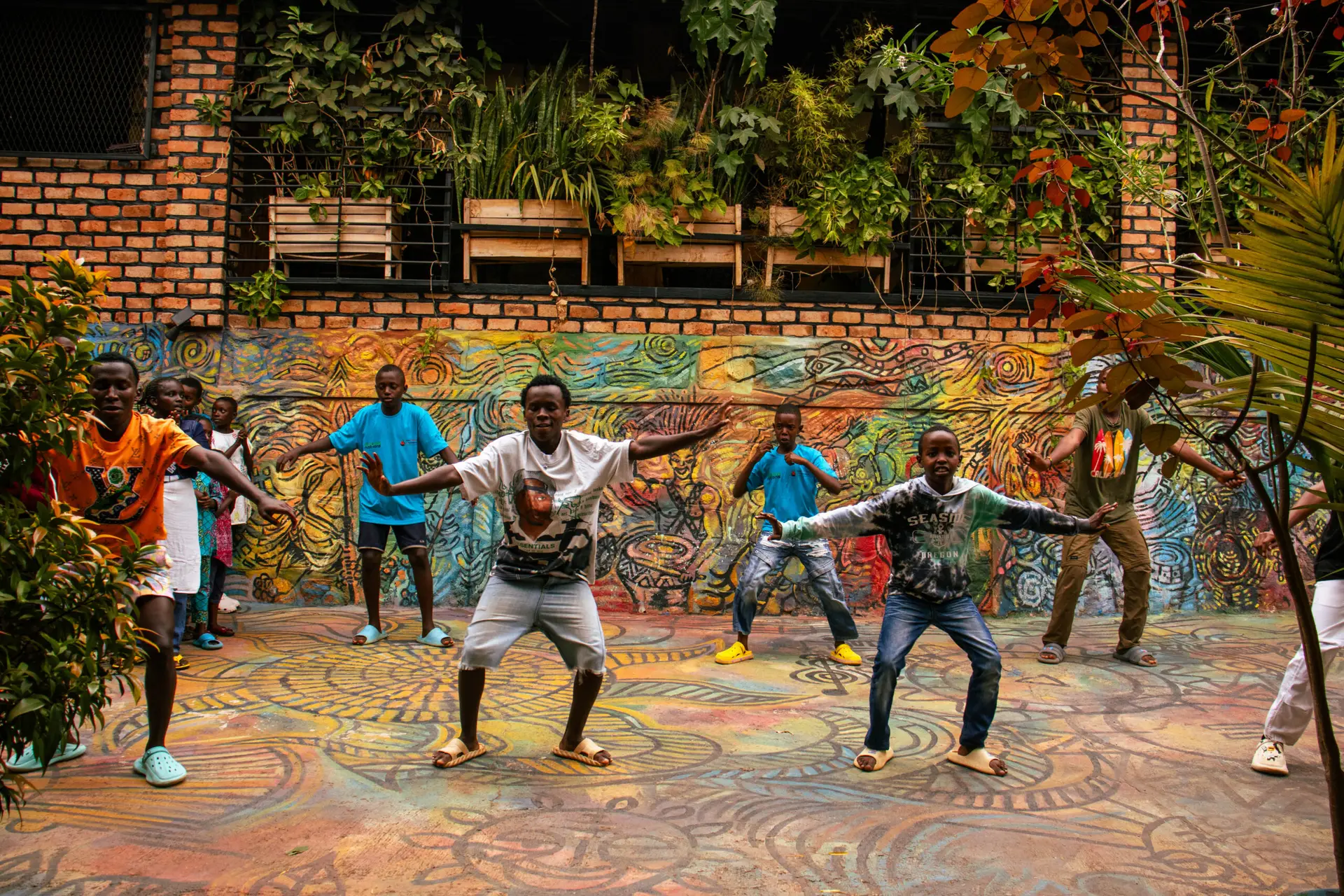
Reflections on a journey from Nairobi to Johannesburg
By Mwivanda Gloria
After eight months on the road, travelling across Africa, I find myself sitting with a question asked by many: If you had the opportunity, the time, the energy, the freedom to travel anywhere in the world, why Africa?
Beneath the question sits an unspoken hierarchy. What is there to see? What is there to experience that you haven’t already exhausted? Isn’t one safari enough? Aren’t the people more or less the same – Bantu, a shared history of colonialism and struggle, mud and stick huts, red dirt roads?
The question presumes Africa as a finished idea. Already seen, already documented, already known. It imagines the continent as a single image stretched thin, as if repetition has drained it of meaning. The question assumes Africa is static, that its stories belong to the past or to spectacle, that nothing new is unfolding here unless it fits a familiar frame of suffering, resilience, or wildlife.
To answer, I could easily reach for nostalgia. I could speak of the motherland, of acacia sunsets and the long silhouettes of women walking home, balancing baskets and pots on their heads. I could talk about wildlife, culture, rhythm, and warmth.
But as a Kenyan, these things are not novelties. Zebras and antelopes graze alongside our livestock. The women balancing baskets are my aunts, my neighbours. These images belong to my everyday life. So if Africa is already home, known and lived, then why Africa?
The longer I travel, the more I realise the question itself is misdirected. It assumes that travel is always about novelty, about difference, about consumption. It assumes movement is always outward, in search of the unfamiliar. But my journey has been a movement inward, laterally, across familiar ground rendered distant by borders and time.
On my journey from Nairobi to Johannesburg, I did not set out to discover Africa. I set out to encounter my kinfolk, to see them, and to be seen by them.
Again and again, I was reminded of this distinction. When people asked my name, and I said Mwivanda, the response was never What nationality is that?. Instead, they asked, What family name is that? Where are your people from? Who are you connected to? Identity here was not administrative. It was relational. It was assumed that a name carries lineage, that it belongs somewhere, that it ties you to others.
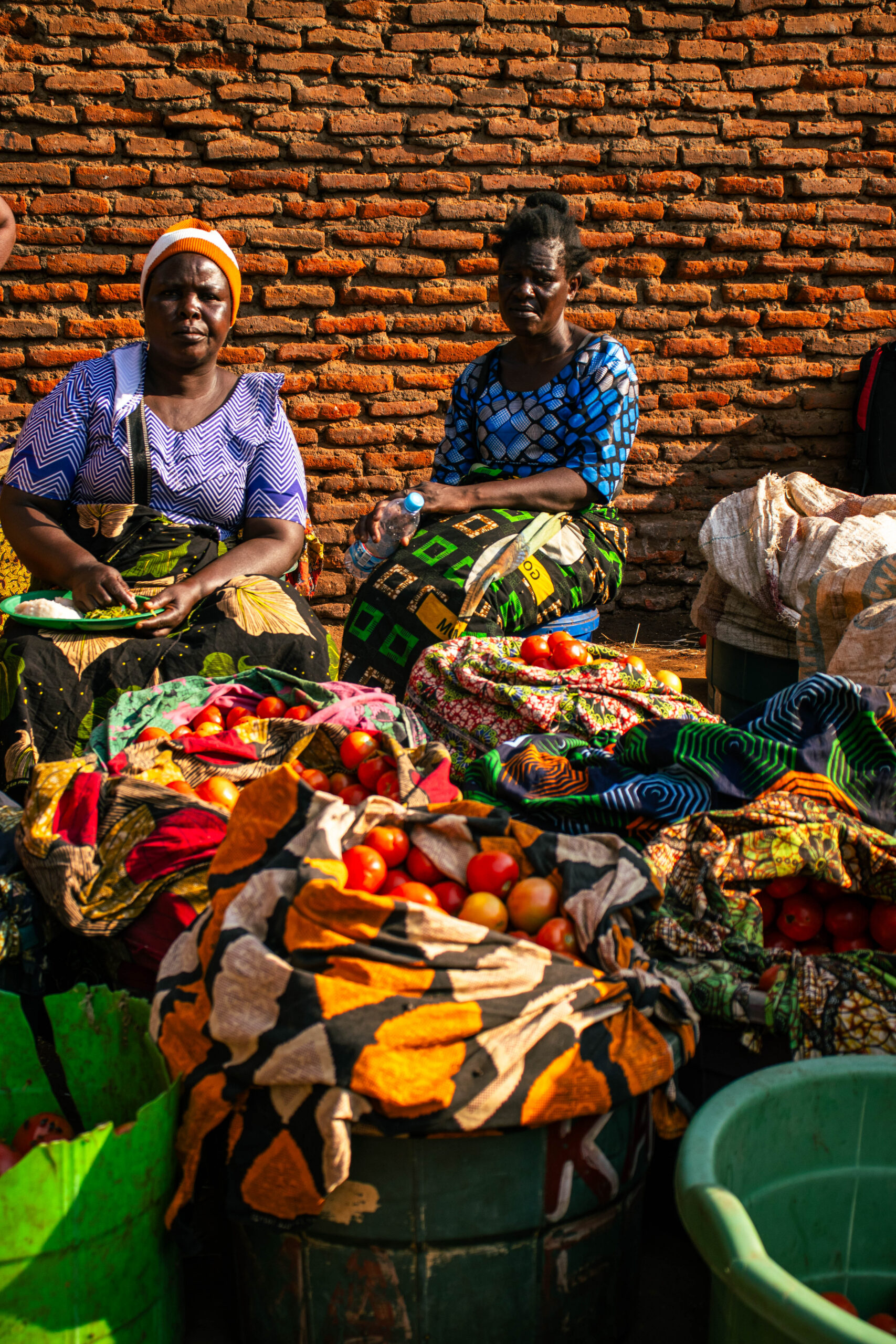
In the markets, women asked whether I had left the rains falling where I came from. In salons, my hair was cornrowed without commentary. My curls and shrinkage were not anomalies to be managed or explained. I was not an exception or an exhibit.
The further I travelled, the more fear I lost. The shedding of a particular anxiety, the one that comes from being watched, measured, and misunderstood.
And yet, even as this sense of belonging deepened, the question lingered: Why Africa? Not as something to answer outwardly, but as something to turn inward. Why did this movement feel so necessary?
Part of the answer lies in the way Africa is spoken about, and not spoken from. African stories are often archived, historicised, flattened into anthropology or nostalgia. They are treated as completed narratives, best preserved behind glass or footnotes. But on the road, I encountered stories unfolding in real time. Not curated, not explained. Simply lived.
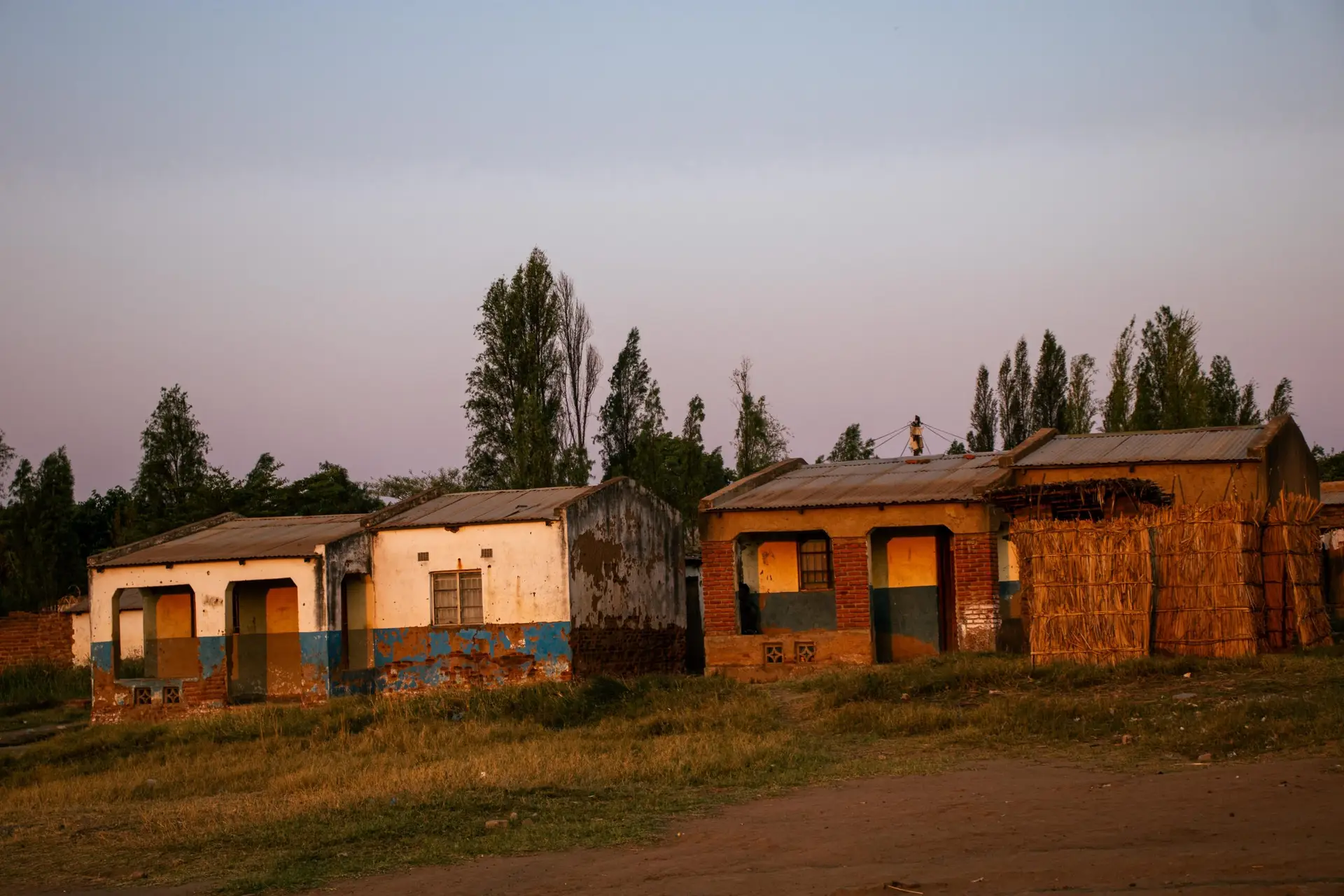
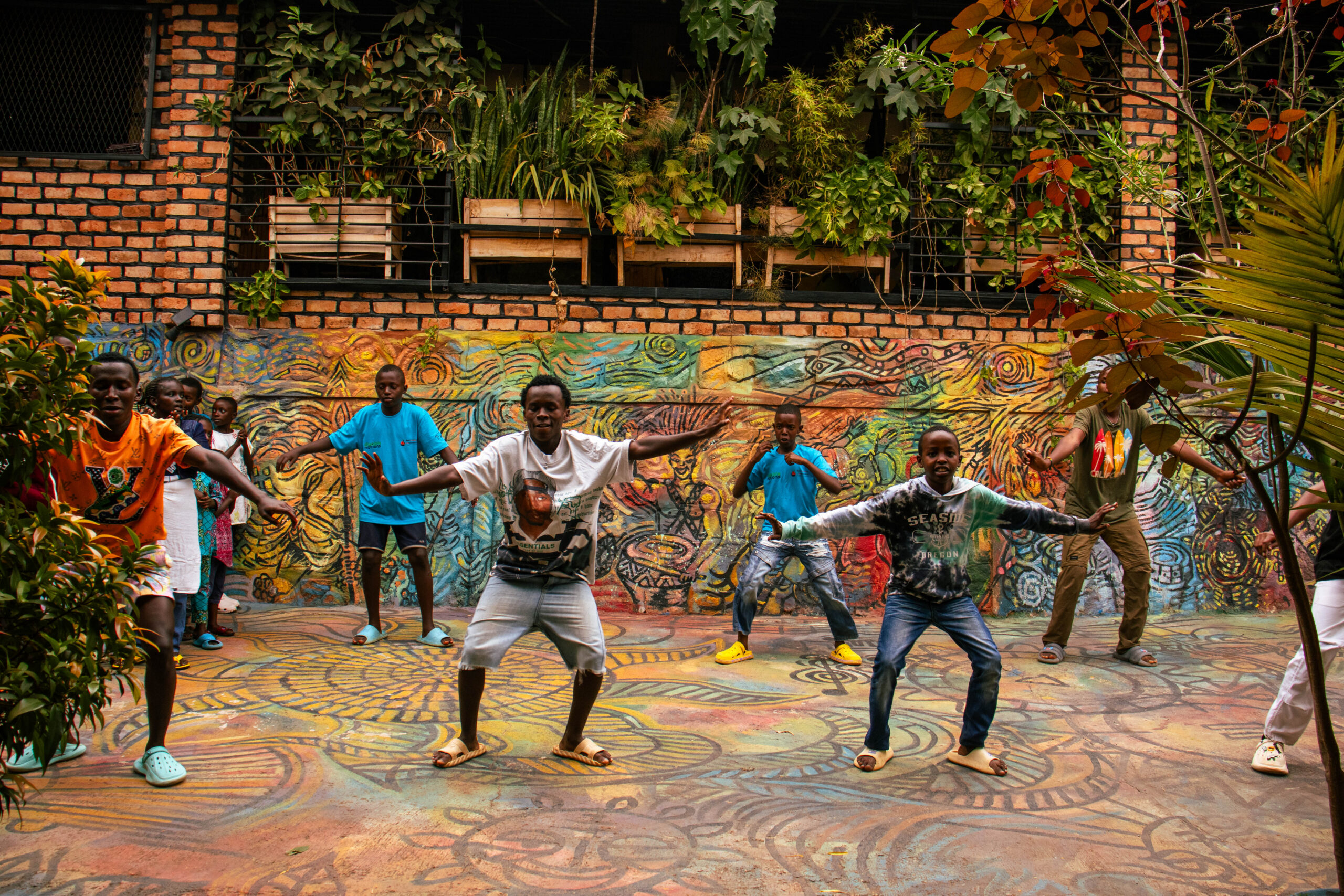
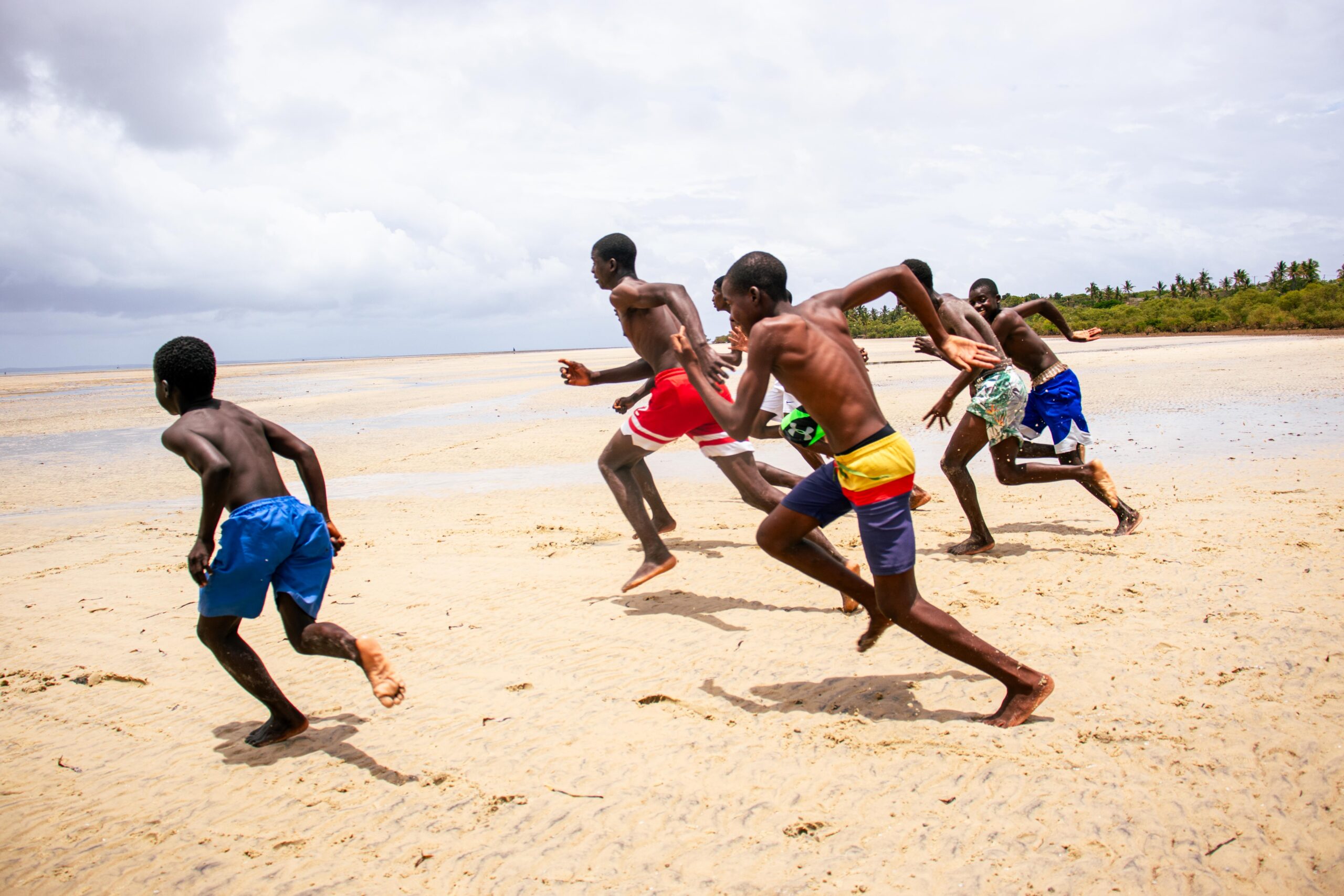
The dance was not staged. It was happening in the street. Masked Gule wa Mkulus raised dust into the air in Malawi, their movements sharp and joyful and precise. Women cooked Nshima with Kapulanas tied around their waist as storms gathered overhead, laughter punctuating the rhythm of labour in Mozambique. These were not performances for an audience. They were acts of continuity. Of presence.
Africa is not suspended in the past. It is happening, now, loudly, quietly, unevenly, beautifully, contradictorily.
So why Africa?
Because no matter how far I go, I am not required to become smaller here. I am not an ambassador. I am not a contradiction. I am not a story to be consumed.
Seeing, knowing, documenting, being seen – these are not separate acts here. They fold into each other. The gaze is mutual. Recognition moves both ways.
Ubuntu is often invoked as a soft philosophy, a comforting idea. I am because we are. But lived, it is more demanding than that. It asks you to be accountable. To be held in relation. It does not allow the illusion of total autonomy. It reminds you that identity is not self-authored, but co-created.
Perhaps the better question is: Why is Africa always asked to justify itself? Why is movement toward kin framed as limitation rather than expansion and familiarity mistaken for lack of imagination?
Why Africa? Because to be African is not an experience to exhaust. It is a relationship to enter, again and again, from different points along the road.
And because here, the question finally loosens its grip. It stops demanding an answer. It dissolves into something quieter;
Why anywhere else?
The post Why Africa? appeared first on Nomad Africa Travel & Magazine.