‘Women farmers key to industrial growth’
Principal Secretary for Industrialisation in the Ministry of Trade and Industry Bright Molande said cooperatives and women farmers are key to Malawi’s industrialisation agenda and economic growth. He said this last week after opening the 2026 Cooperative Fair in Blantyre, organised by the Malawi Federation of Cooperatives (Mafeco) in commemoration of the International Year of … The post ‘Women farmers key to industrial growth’ appeared first on Nation Online.
 Black News
Principal Secretary for Industrialisation in the Ministry of Trade and Industry Bright Molande said cooperatives and women farmers are key to Malawi’s industrialisation agenda and economic growth.
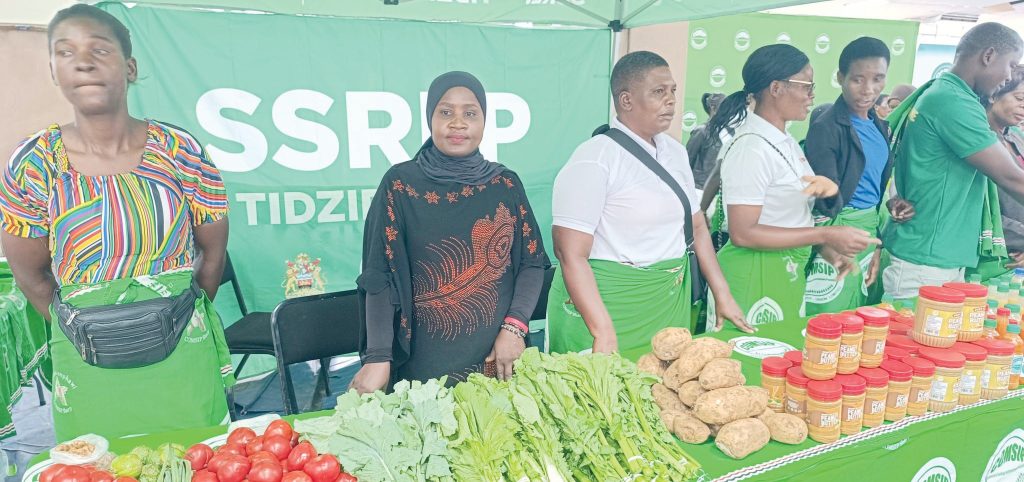
He said this last week after opening the 2026 Cooperative Fair in Blantyre, organised by the Malawi Federation of Cooperatives (Mafeco) in commemoration of the International Year of Women Farmers.
Molande said industrialisation starts with empowering cooperatives to engage in manufacturing and value addition.
“Industrialisation means creating more factories. What we are saying is that the factories begin with the cooperatives,” he said.
Molande also stressed the need to support women’s participation in agriculture and industrialisation.
“What I am doing right now is the advocacy and awareness of the place of women in industrialisation, in agriculture and in development,” said Molande.
Mafeco executive director John Nkosi said the fair was organised to showcase the role women farmers play despite facing challenges such as limited capital and poor infrastructure.
“From the cooperative perspective, we have known that the role played by most women farmers is not appreciated,” he said.
Nkosi said some cooperatives struggle due to inadequate financing, dependency on external support and lack of trust among members.
He cited the Mulatho Tea Growers Cooperative Union in Mulanje and Thyolo districts, which is seeking K4.2 billion to establish its own tea processing factory.
“We appreciate what government is doing through Agricultural Commercialisation [Agcom] project to support cooperatives,” he said.
Speaking in a separate interview, UN Women programme specialist for Women Economic Empowerment Annie Chikoko said women produce between 70 and 80 percent of food in the country, making it important to address gender gaps affecting them.
She said women continue to face challenges such as limited access to land, finance, agricultural extension services and technology.
“We come in to coordinate and support some of these gender gaps in the agriculture sector,” said Chikoko.
She added that UN Women is working with financial institutions, including NBS Bank, to improve women farmers’ access to finance through gender-responsive financial products.
One of the participants, Zakkie Kimi from Mikoko Cooperative in Machinga, said the fair has provided cooperatives with an opportunity to market products, network and learn from others.
The fair brought together cooperatives, agro-dealers, financial institutions, input suppliers and off-takers for exhibitions and networking.
The post ‘Women farmers key to industrial growth’ appeared first on Nation Online.