WTO’s Okonjo-Iweala warns Strait of Hormuz shock could revive global trade restrictions
Global trade is once again under pressure as disruptions linked to the Strait of Hormuz ripple through energy, food and fertiliser markets, reviving concerns over whether governments are drifting back toward the protectionist responses that worsened earlier global shocks.
 Black News
 Global trade is once again under pressure as disruptions linked to the Strait of Hormuz ripple through energy, food and fertiliser markets, reviving concerns over whether governments are drifting back toward the protectionist responses that worsened earlier global shocks.
- Disruptions near the Strait of Hormuz are impacting global energy, food, and fertilizer markets, raising concerns over renewed protectionist policies.
- WTO Director-General Ngozi Okonjo-Iweala warns against repeating mistakes from the Covid-19 pandemic and Ukraine war.
- This time, governments have enacted mostly trade-facilitating measures (over 70%) to keep essential goods moving and stabilize supply chains.
- However, about 30% of actions remain restrictive, indicating ongoing threats of price instability and market uncertainty.
In a recent policy intervention, the Director-General of the World Trade Organization, Ngozi Okonjo-Iweala, warned that the world risks repeating the early missteps seen during the Covid-19 pandemic and the war in Ukraine, when countries turned inward and imposed export restrictions that deepened shortages and fuelled global price volatility.
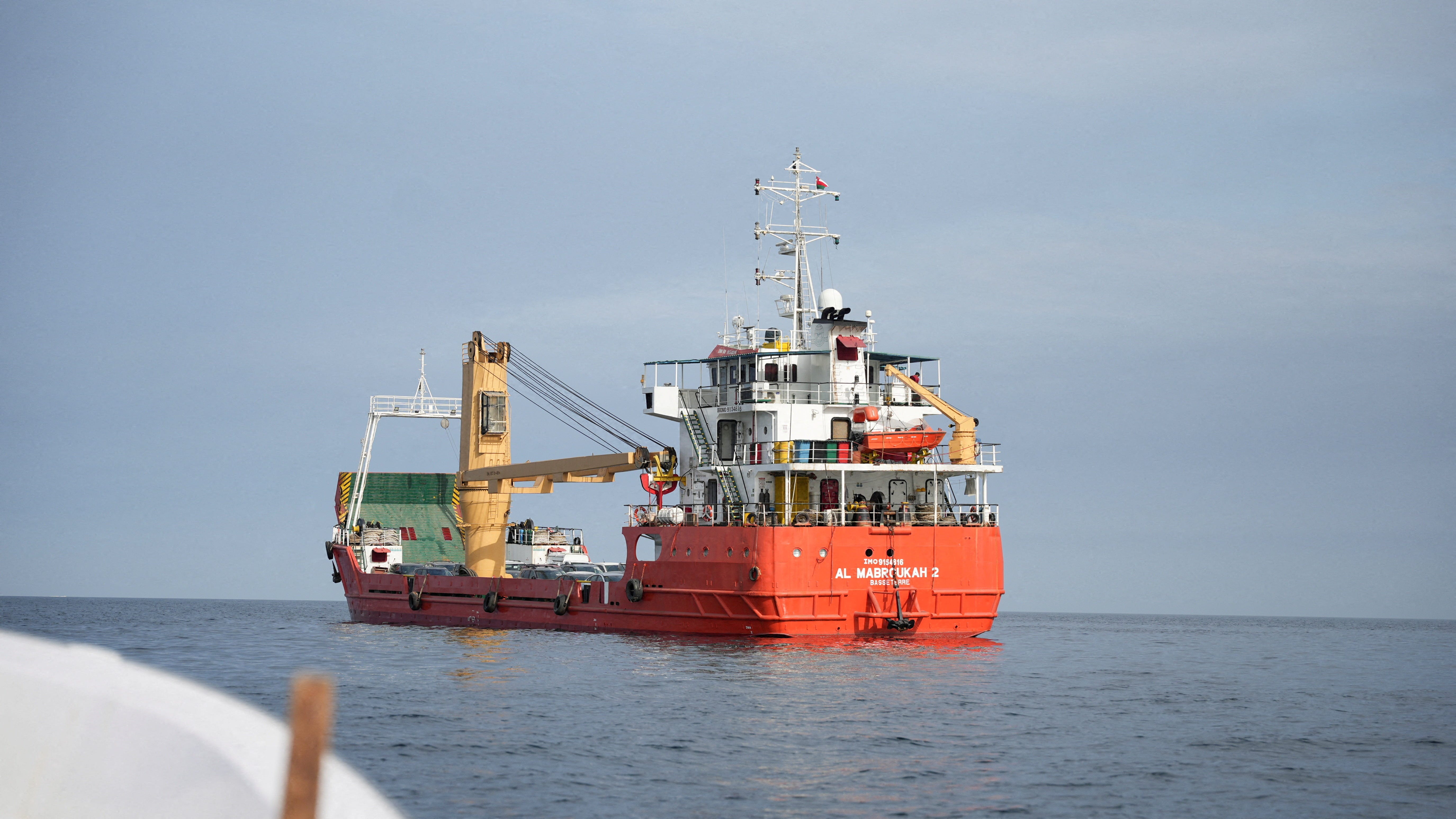
The latest disruption around the Strait of Hormuz, a critical corridor for global oil and liquefied natural gas shipments has triggered a fresh wave of trade and policy responses.
However, unlike previous crises, early indicators suggest a more restrained approach from governments.
In a Financial Times commentary, Ngozi Okonjo-Iweala drew on WTO monitoring to show that, of roughly 78 trade-related measures introduced in response to the disruption, more than 70% were trade-facilitating.
These measures included efforts to expand energy supply, streamline customs procedures, and maintain the flow of essential commodities such as fuel, fertiliser, and food products.
“Trade should support, not hinder, adjustment to global shocks”
This marks a notable shift from earlier global shocks. During the Covid-19 pandemic, vaccine nationalism led to widespread export controls even among countries with surplus production capacity, delaying access for lower-income economies.
Similarly, after Russia’s invasion of Ukraine, early trade responses included a surge of restrictive measures on food and fertiliser exports, contributing to sharp price increases worldwide.
Despite the more balanced response this time, concerns remain. Around 30% of current measures linked to the Hormuz situation are still restrictive, including targeted export curbs on strategic commodities.
Even limited restrictions, Okonjo-Iweala warns, can amplify uncertainty and tighten already sensitive global markets.
The structural vulnerability of global trade further complicates the picture. Supply chains have shown resilience in past crises, rerouting shipments during disruptions in the Red Sea, Black Sea and earlier pandemic-related bottlenecks.
Yet the system remains heavily dependent on a small number of maritime chokepoints, including the Suez Canal, the Panama Canal, the Strait of Malacca and the Strait of Gibraltar.
In such a tightly connected system, disruption in one corridor can quickly translate into higher shipping costs, delayed deliveries and global price pressures. Efficiency gains achieved over decades of globalisation are increasingly being tested by geopolitical and logistical shocks.
Okonjo-Iweala argues that governments are making progress by pairing trade measures with domestic stabilisation policies such as fuel subsidies, tax adjustments and targeted transfers. These tools can cushion households without directly constraining global supply flows.
However, she cautions that resilience cannot be built on fragmented national responses. The alternative to coordination, she notes, is a cycle of restrictive measures that ultimately leaves all economies worse off.
As the Hormuz disruption unfolds, the global trading system is again at a crossroads—between reinforcing cautious cooperation or reverting to the restrictive instincts that have repeatedly intensified past crises.