Zimbabwe begins blueberry exports to China as it targets a $400 million market
Zimbabwe has officially begun exporting fresh blueberries to China, opening one of the world's fastest-growing consumer markets to one of Africa's fastest-expanding horticultural industries.
 Black News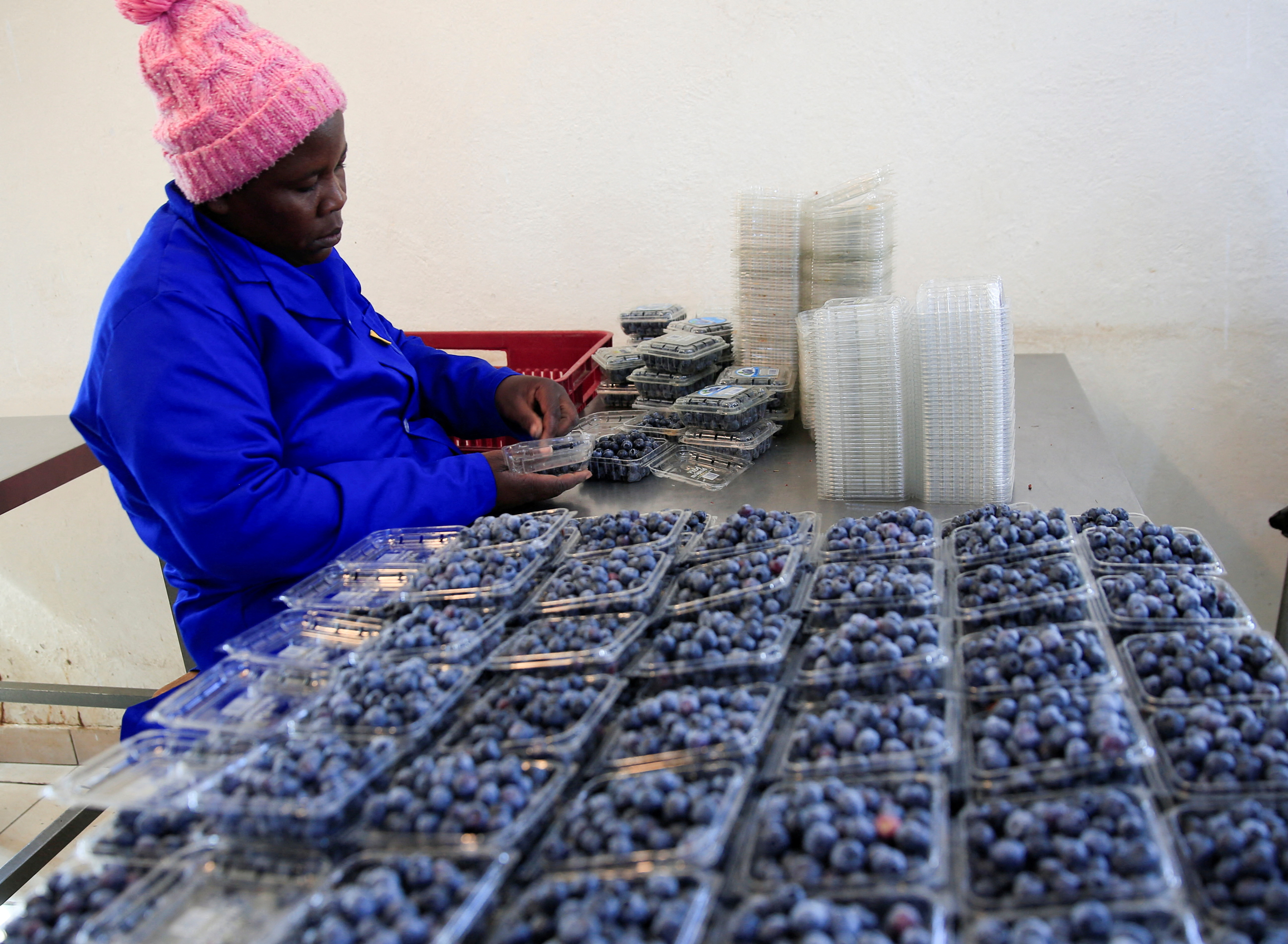

Zimbabwe has officially begun exporting fresh blueberries to China, opening one of the world's fastest-growing consumer markets to one of Africa's fastest-expanding horticultural industries.
- Zimbabwe has started exporting fresh blueberries to China after signing a phytosanitary protocol in September 2025.
- The export marks a significant milestone for Zimbabwe’s fast-growing horticulture industry.
- China’s rising demand for blueberries offers Zimbabwe a lucrative new market, driven by changing diets and health awareness.
- Zimbabwe is Africa’s third-largest blueberry producer and expects exports to reach 12,000 metric tonnes by 2026.
Zimbabwe has officially begun exporting fresh blueberries to China, opening one of the world's fastest-growing consumer markets to one of Africa's fastest-expanding horticultural industries.
The first shipment follows the signing of a phytosanitary protocol between Zimbabwe and China in September 2025, which cleared the way for Zimbabwean blueberries to enter the Chinese market after meeting required food safety and plant health standards.
The Horticultural Development Council (HDC) described the export as a major step for the country's horticulture sector, per a Reuters report.
Growing Chinese demand
China's growing appetite for blueberries presents a significant opportunity. Demand for the fruit has surged in recent years, driven by rising incomes, changing diets, and growing awareness of its health benefits.
Rich in antioxidants and vitamins, blueberries have become increasingly popular among Chinese consumers. The country imports roughly $400 million worth of blueberries annually, making it one of the world's most attractive markets for exporters.
DON'T MISS THIS: Indian billionaire Raj Gupta secures 500 hectares to build what could become sub-Saharan Africa's largest solar steel plant in Nigeria
Zimbabwe is well positioned to tap into that demand. The country is Africa's third-largest blueberry producer, behind Morocco and South Africa, and one of the fastest-growing producers globally due to favourable growing conditions and increased commercial farming.
According to HDC data, Zimbabwe expects blueberry exports to reach 12,000 metric tonnes in 2026, up from 9,500 tonnes in 2025, while the cultivated area is projected to expand from 650 hectares to 850 hectares.
The country already exports blueberries to the Netherlands, the United Kingdom, Germany, Spain, South Africa, Hong Kong, Malaysia, Singapore, and the United Arab Emirates.
The breakthrough also comes after China extended zero-tariff access to exports from 53 African countries under a trade policy that took effect on May 1, giving Zimbabwean producers easier access to one of the world's largest consumer markets.
For Zimbabwe, the new export corridor is expected to diversify agricultural exports, boost foreign exchange earnings, and strengthen the country's position as a leading supplier of premium blueberries to global markets.