10 best countries in Africa, according to latest ranking
What makes a country one of the “best” in the world? It is no longer just about economic size or military strength. Increasingly, it comes down to how well people are able to live, work, grow, and access opportunity.
 Black News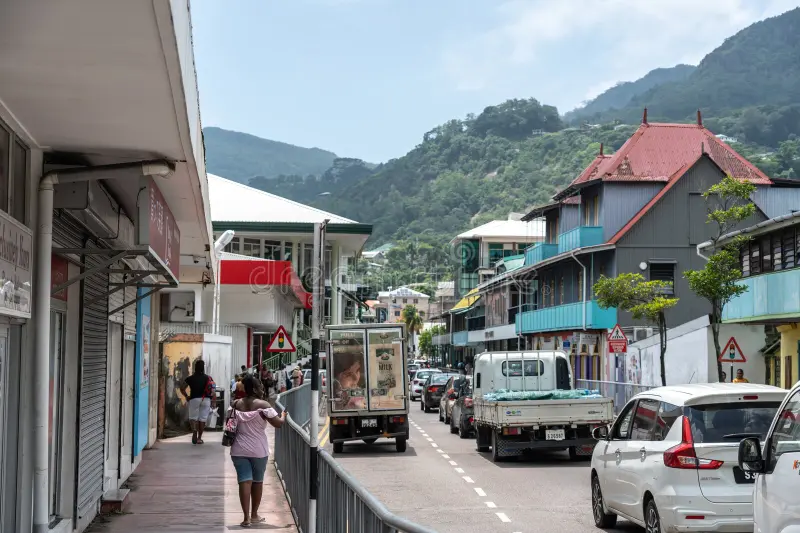

What makes a country one of the “best” in the world? It is no longer just about economic size or military strength. Increasingly, it comes down to how well people are able to live, work, grow, and access opportunity.
- The 2026 Best Countries ranking evaluated nations based on governance, economy, health, infrastructure, opportunity, natural environment, and culture.
- Seychelles, Morocco, and Tunisia stand out for their diversified economies, driven by tourism, industry, and export sectors.
- Egypt and South Africa remain regional powerhouses due to their industrial capacity, population size, and strategic location.
- Resource-rich countries such as Algeria, Ghana, Zimbabwe, and Nigeria are bolstered by exports of oil, gas, minerals, and agricultural products.
What makes a country one of the “best” in the world? It is no longer just about economic size or military strength. Increasingly, it comes down to how well people are able to live, work, grow, and access opportunity.
According to the 2026 Best Countries rankings by U.S. News & World Report, countries were evaluated using a data-driven framework measuring governance, economic development, health, civic health, infrastructure, opportunity, natural environment, and culture and tourism.
From island destinations powered by luxury tourism to countries driven by oil, technology, mining, and manufacturing, these nations are shaping Africa’s economic story in different ways. While many still face challenges like unemployment, inflation, or inequality, they continue to rank among the world’s best countries for their economic potential, cultural influence, infrastructure, and strategic importance.
Here are the African countries that made the global list:
1)Seychelles
Seychelles ranks 49th globally. The island nation, comprising 115 islands in the Indian Ocean, is Africa’s smallest country by both land area and population. Its economy is largely driven by tourism, which contributes significantly to GDP and foreign exchange earnings through luxury resorts and hospitality services. Fisheries and offshore financial services also support economic activity, helping Seychelles maintain one of Africa’s highest per capita incomes.
2)Morocco
Morocco ranks 74th globally. Located in western North Africa along the Atlantic Ocean and Mediterranean Sea, Morocco blends Arab, Berber, African, and European influences. Its economy is among the most diversified in Africa, supported by tourism, agriculture, automotive manufacturing, and phosphate exports. The country has also invested heavily in renewable energy and infrastructure, strengthening its position as a key trade and industrial hub linking Africa and Europe.
3)Tunisia
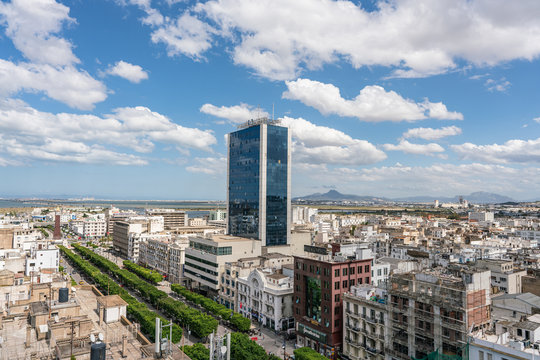
Tunisia ranks as the 77th best country globally. Situated along the Mediterranean coast in North Africa, Tunisia has historically attracted Roman, Arab, and Ottoman influence. Its economy is supported by tourism, agriculture, textiles, and manufacturing, with Europe remaining a major trading partner. Tunisia has faced economic pressures in recent years, including unemployment and inflation, but continues to develop export-oriented industries and technology-driven sectors.
4)Egypt
Egypt ranks as the 80th best country globally. Home to one of the world’s oldest civilizations, Egypt sits at the crossroads of Africa, the Middle East, and Europe. Its economy is powered by tourism, agriculture, manufacturing, natural gas exports, and revenues from the Suez Canal, one of the world’s busiest shipping routes. Large infrastructure projects and a growing population continue to shape the country’s economic ambitions and regional influence.
5)South Africa
South Africa ranks 81st globally. Located at the southern tip of Africa, the country remains one of the continent’s most industrialised economies despite persistent inequality and high unemployment. Its economy is driven by mining, finance, manufacturing, agriculture, and tourism. South Africa is also home to Johannesburg, one of Africa’s leading financial centres, while its mineral wealth continues to play a major role in exports and economic growth.
6)Algeria
Algeria ranks 87th globally. Stretching across the Mediterranean coast and Sahara Desert, Algeria is Africa’s largest country by land area. Its economy is heavily dependent on oil and natural gas exports, which account for most government revenue and foreign exchange earnings. While the country has sought to diversify through agriculture and manufacturing, the energy sector remains central to Algeria’s economic strength and regional influence.
7)Ghana
Ghana ranks 90th globally. Formerly known as the Gold Coast, Ghana became the first sub-Saharan African nation to gain independence from colonial rule in 1957. Its economy is driven by gold, cocoa, and oil exports, alongside growing industries such as telecommunications, banking, and digital services. Ghana is often regarded as one of West Africa’s more stable economies, although recent debt and currency pressures have challenged economic growth.
8)Kenya
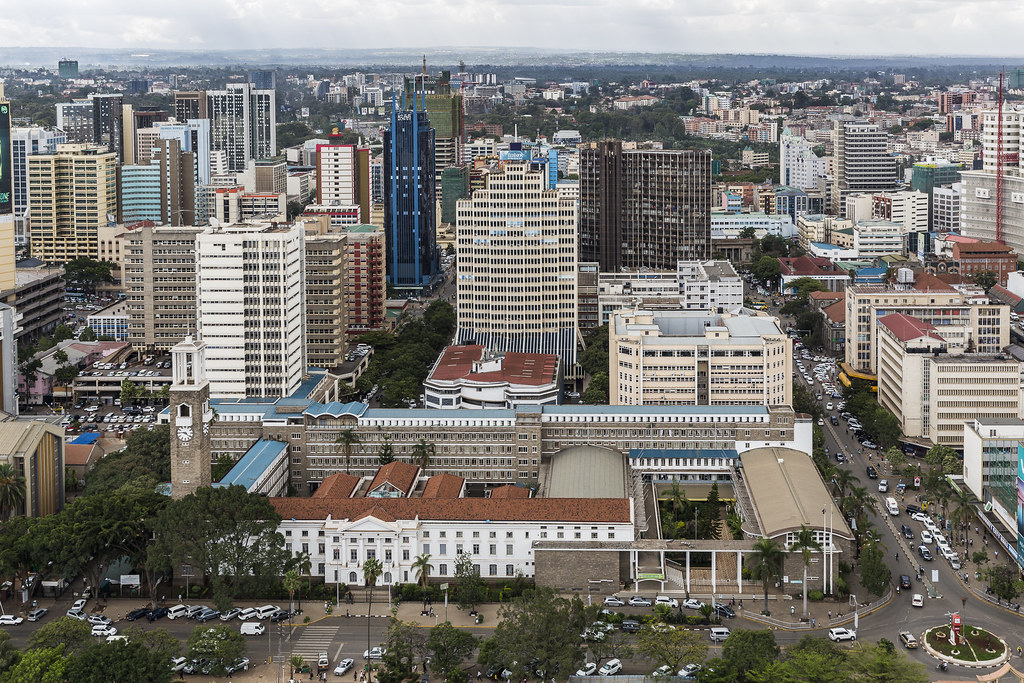
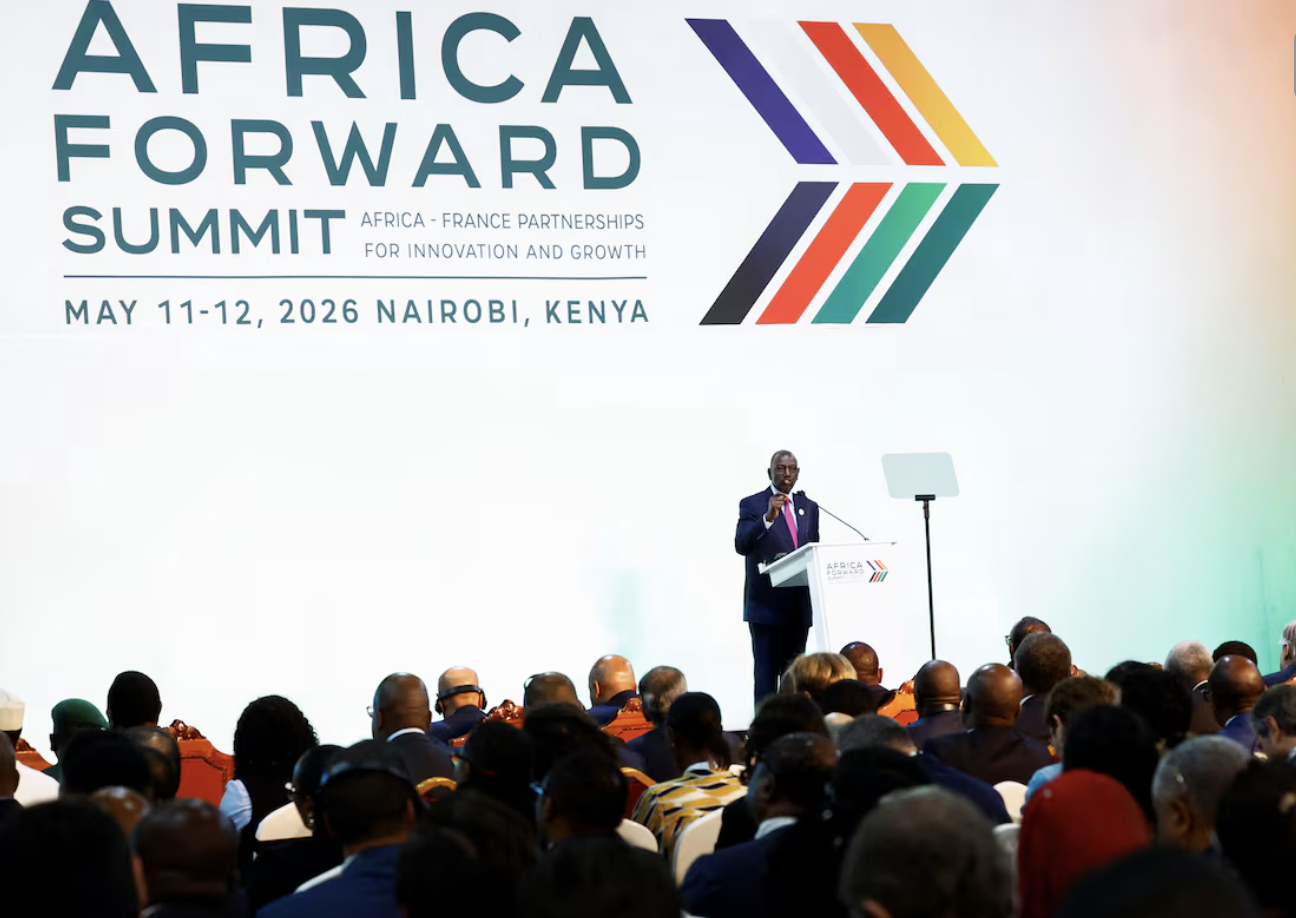
Kenya ranks as the 92nd best country globally. Located along the equator in East Africa, Kenya is known for its cultural diversity, wildlife, and role as a regional business hub. The economy is powered by agriculture, tourism, financial services, and technology. Nairobi has emerged as one of Africa’s leading startup ecosystems, earning the nickname “Silicon Savannah,” while Kenya’s innovations in mobile money have transformed digital finance across the continent.
9)Zimbabwe
Zimbabwe ranks 97th globally. Situated in southern Africa between Zambia and South Africa, Zimbabwe gained independence from Britain in 1980 after a prolonged liberation struggle. The country has experienced years of economic instability, including hyperinflation and currency crises, but mining remains a major economic pillar. Exports of gold, platinum, and lithium continue to attract investment as Zimbabwe works toward economic recovery and industrial growth.
10)Nigeria
Nigeria ranks 98th globally. Often referred to as the “Giant of Africa,” Nigeria is the continent’s most populous country and one of its largest economies. Oil and gas exports remain central to the economy, but sectors such as fintech, entertainment, telecommunications, and agriculture have expanded rapidly in recent years. Lagos, the country’s commercial capital, has become one of Africa’s leading centers for technology startups and digital innovation.