5 African Music Video Directors to Watch Right Now
Sound alone is not enough in today’s music scene. The visual has become just as important as the music itself, affecting how we experience, share, and remember songs. From cinematic storytelling to audacious, internet-breaking aesthetics, music video directors are no longer behind the scenes. They are central to how African artists build identity and global […]
 Black News
Sound alone is not enough in today’s music scene. The visual has become just as important as the music itself, affecting how we experience, share, and remember songs. From cinematic storytelling to audacious, internet-breaking aesthetics, music video directors are no longer behind the scenes.
They are central to how African artists build identity and global appeal. A new generation of directors across the continent are redefining what African music looks like, pushing boundaries, experimenting with style, and turning videos into cultural moments.
Here are five African music video directors you should be paying attention to right now:
TG Omori
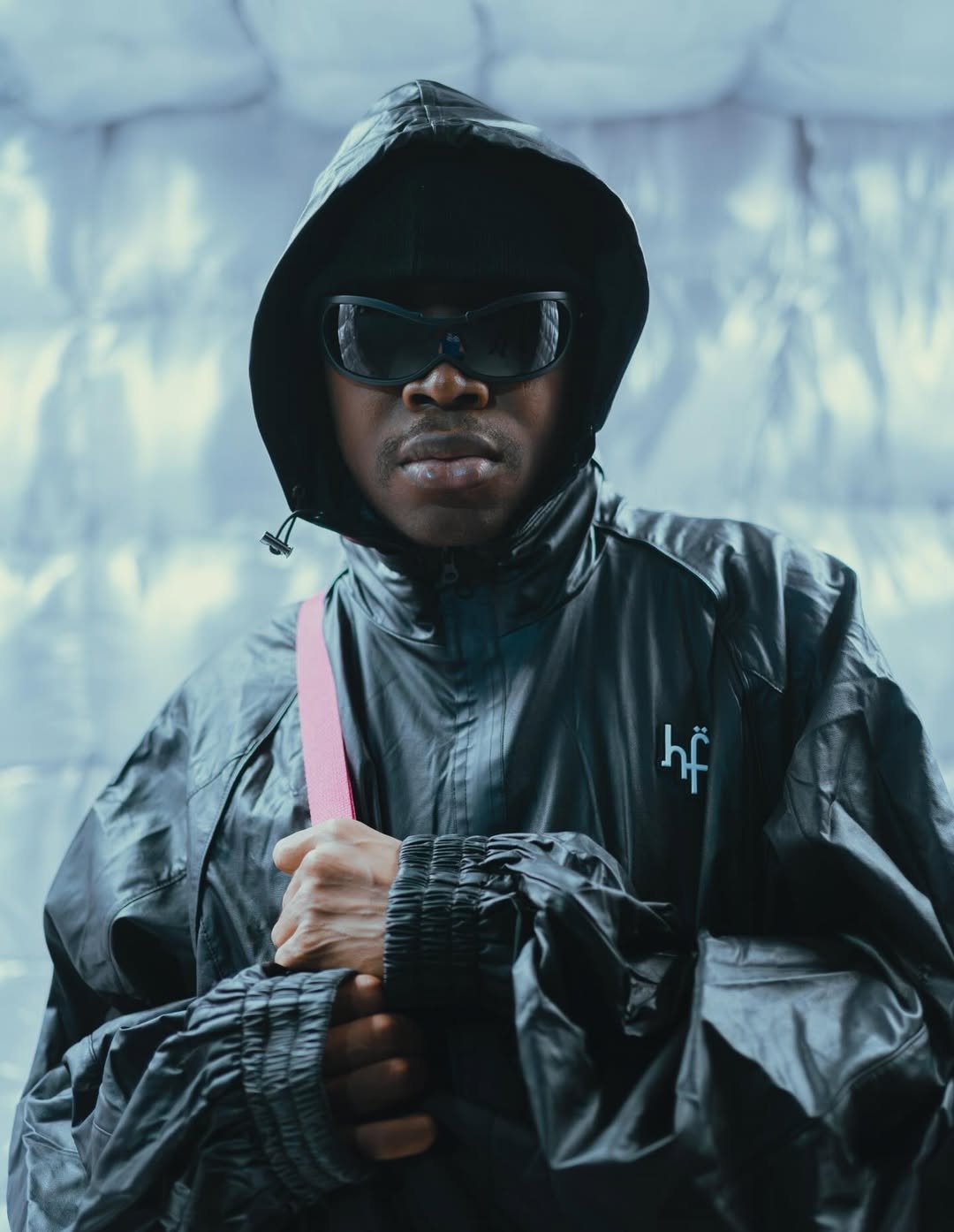
TG Omori, aka Boy Director, has played a big role in shaping the current visual aesthetic of Afrobeats. Known for his vibrant color palettes, street-inspired storytelling, and high-energy concepts, his work is instantly recognizable. Since 2016, TG Omori has directed music videos for several artists, including Davido, Olamide, Wizkid, Burna Boy, Tekno, Kizz Daniel, Fireboy DML, Falz, Timaya, Naira Marley, and Asake.
Meji Alabi
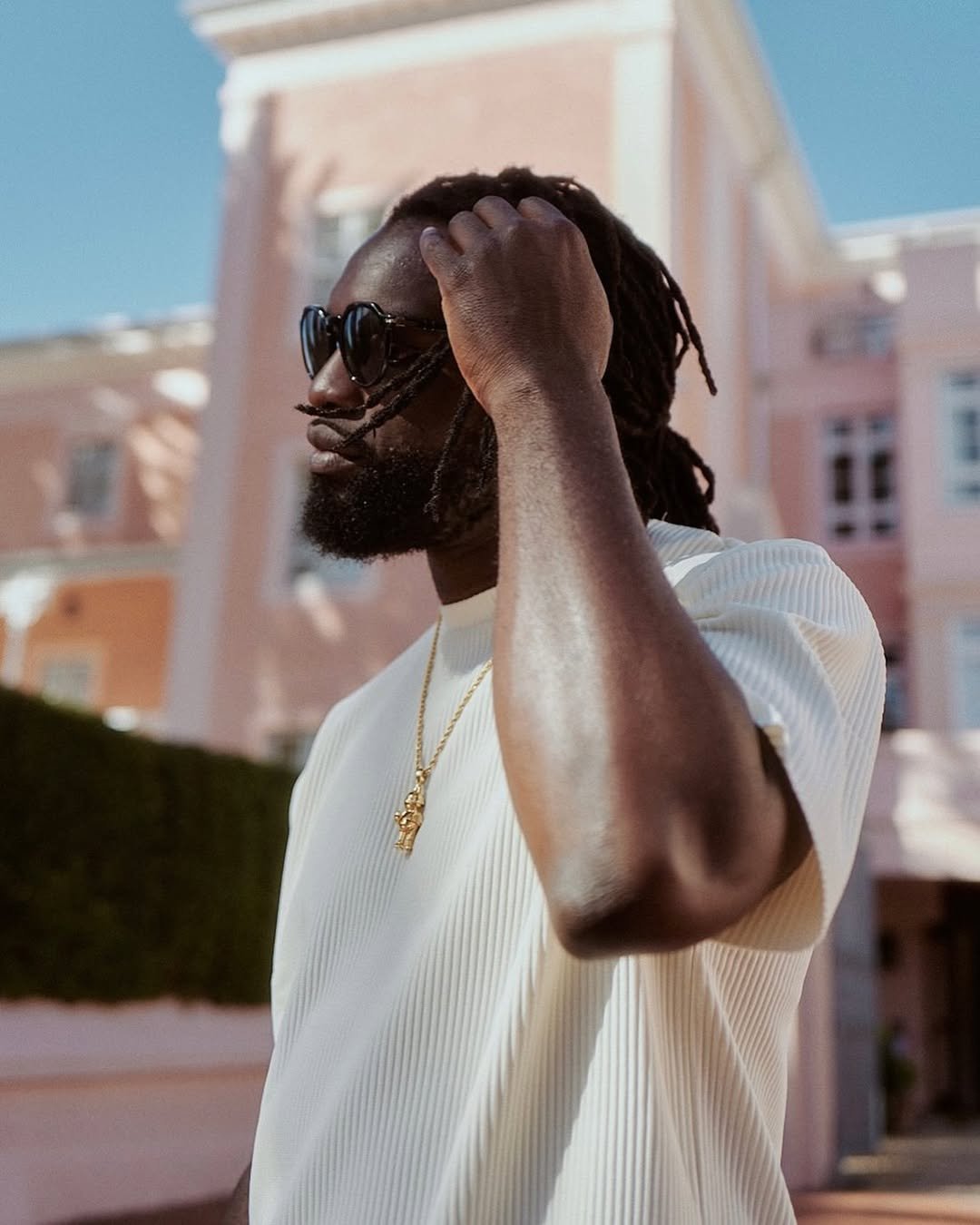
If TG Omori is energy, then London-born Nigerian director Meji Alabi is depth. Meji Alabi makes music videos that are rich in visuals and emotion. They feel like short movies. His work often marries African stories with a universal aesthetic, making it accessible to an international audience while still retaining its cultural identity. The director has worked with Beyoncé, Burna Boy, Wizkid, Davido, Tiwa Savage, Popcaan, Goldlink, Koffee, and Nasty C.
Director K
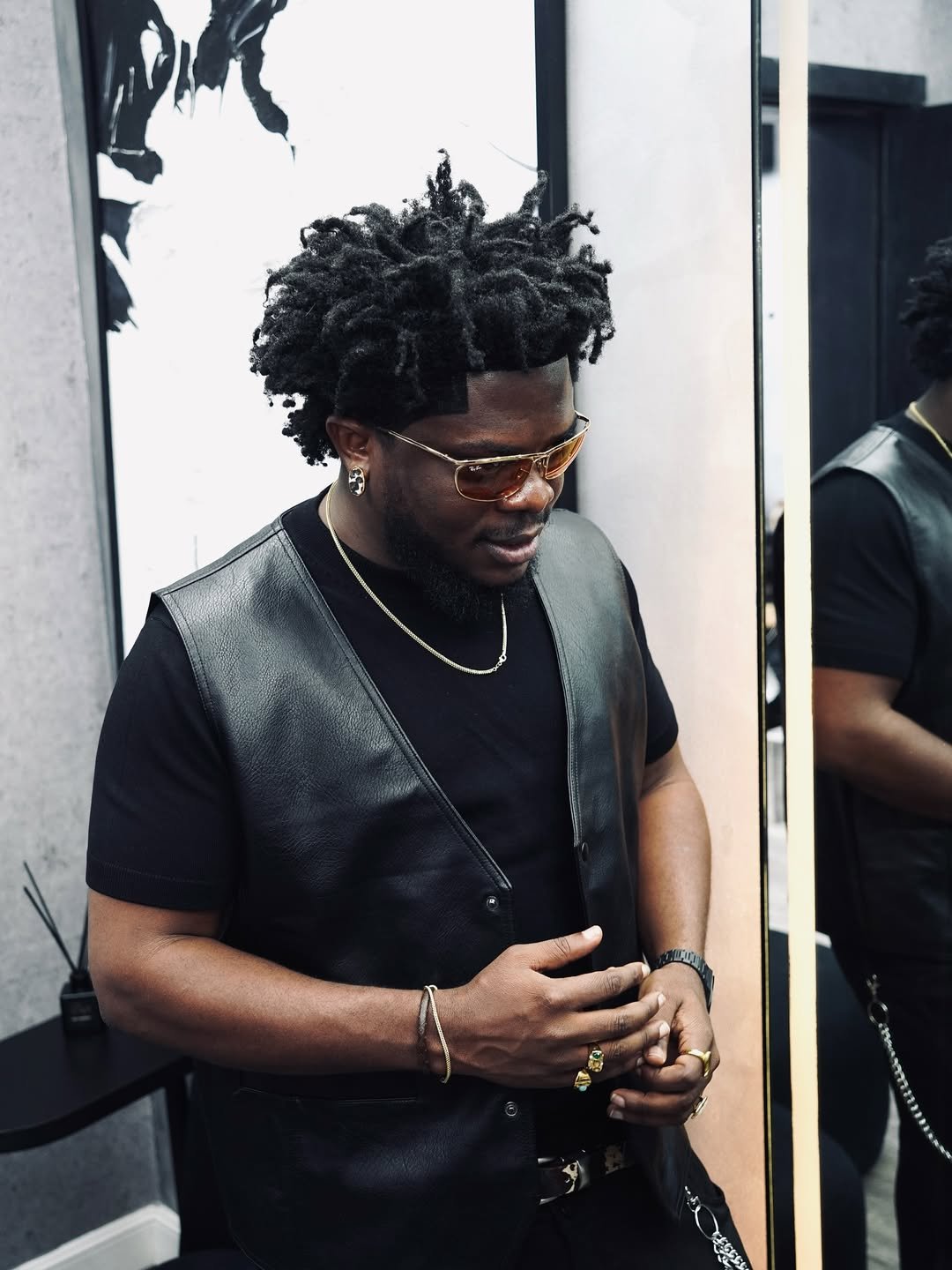
Director K’s work on ‘Case’ by Teni in 2018 brought him into the limelight. His style leans toward clean, performance-led storytelling with a strong focus on artist presence. He has directed videos for a number of artists across different genres of music. He directed Rema’s ‘Calm Down,’ Wizkid’s ‘Essence,’ and Davido’s ‘1 Milli.’ Director K is also the brain behind the visuals for Burna Boy’s ‘Wonderful,’ ‘Onyeka,’ and ‘Ballon D’Or.’
Justin Campos
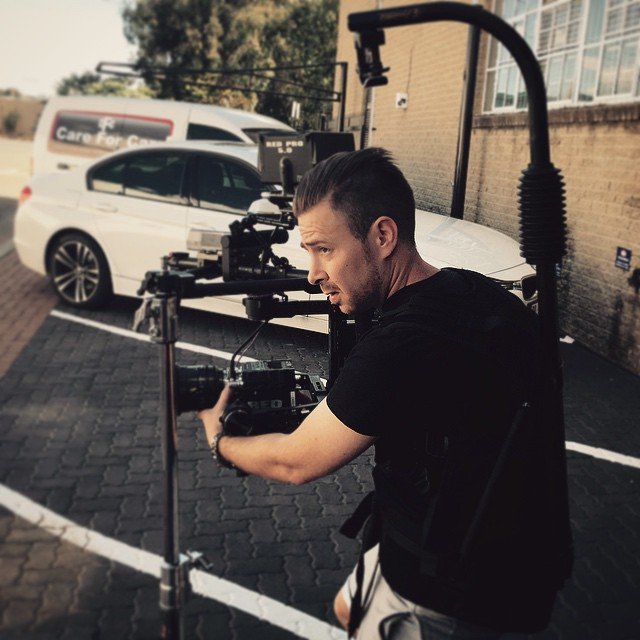
The director from South Africa brings a unique mix of narrative and performance to his work. Justin Campos’s videos capture the energy of the music and the personality of the artist. His direction has a storytelling sense that is more than just aesthetics. As South African sounds like Amapiano keep travelling the world, directors like Justin Campos are helping to shape the way those sounds are viewed. He is the video director behind Zuchu’s ‘Fire’ and ‘Hadithi’ by Barnaba ft. Diamond Platnumz and ‘Gboza’ by R2Bees ft. Davido.
Director Pink
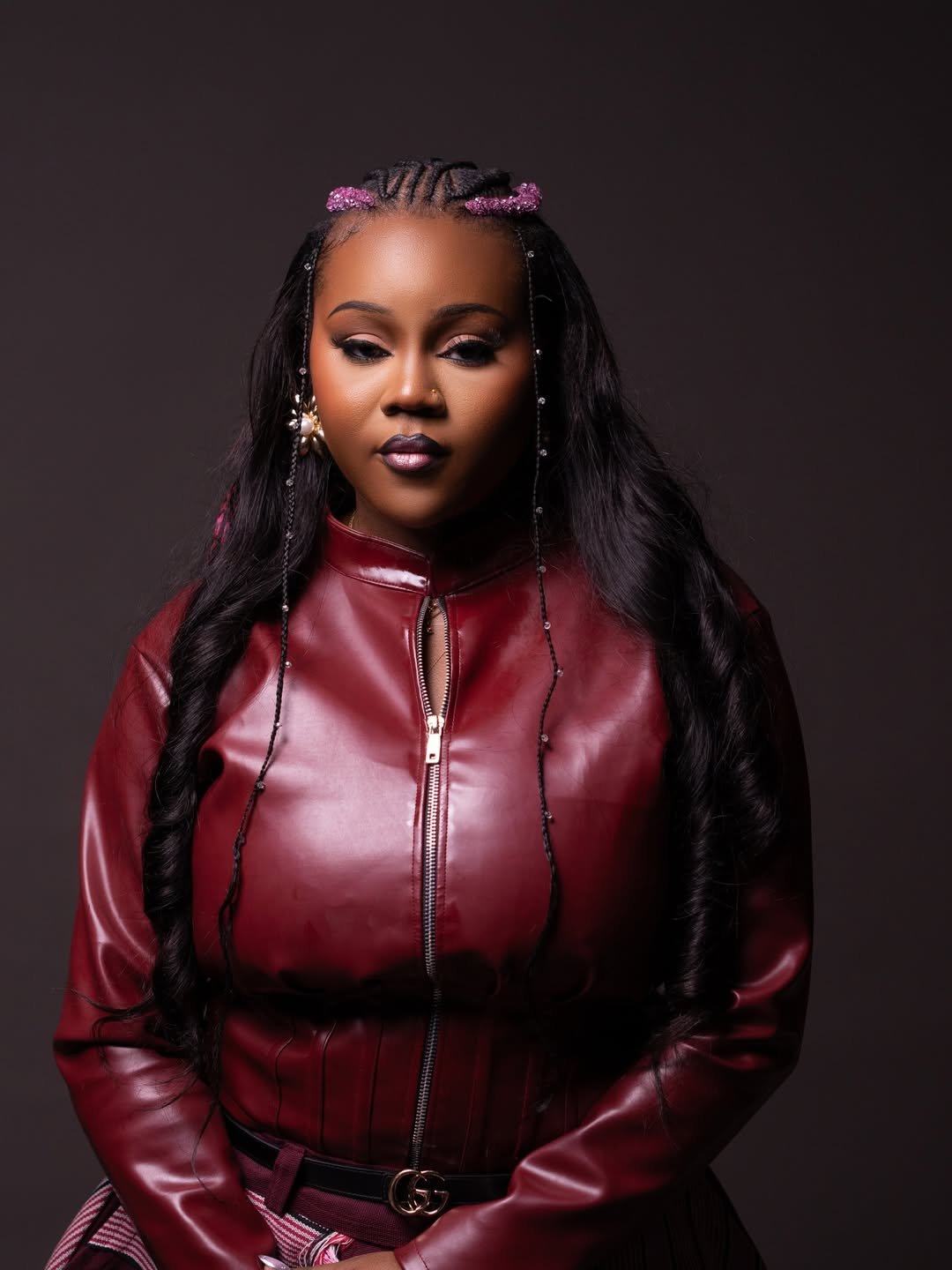
Among the newer voices in the space, Director Pink represents a fresh, evolving perspective. Her work reflects a growing shift toward more diverse storytelling and visual experimentation within African music videos. With a keen eye for style and detail, she brings a modern, fashion-forward approach that resonates with younger audiences. As more artists look for distinct visual identities, directors like Pink are carving out space with originality and confidence. She directed the music video for Chike ft. Simi’s ‘Running To You’ and Rexxie, Naira Marley, and Skiibii’s ‘Abracadabra.’
The Bigger Picture
The thing that links these directors is not just talent, but timing. African music is in a global moment, and visuals are playing a key role in that expansion. Music videos aren’t just promo tools anymore; they’re cultural statements and branding devices.
Directors are now key collaborators in shaping how African music is perceived worldwide, turning songs into experiences that travel far beyond their origins. As the sound continues to evolve, so will the visuals. The next wave of African music will not only be heard; it will be seen. And these directors are leading that shift, frame by frame.