‘Africa is transforming but failing to tell the story of that change’
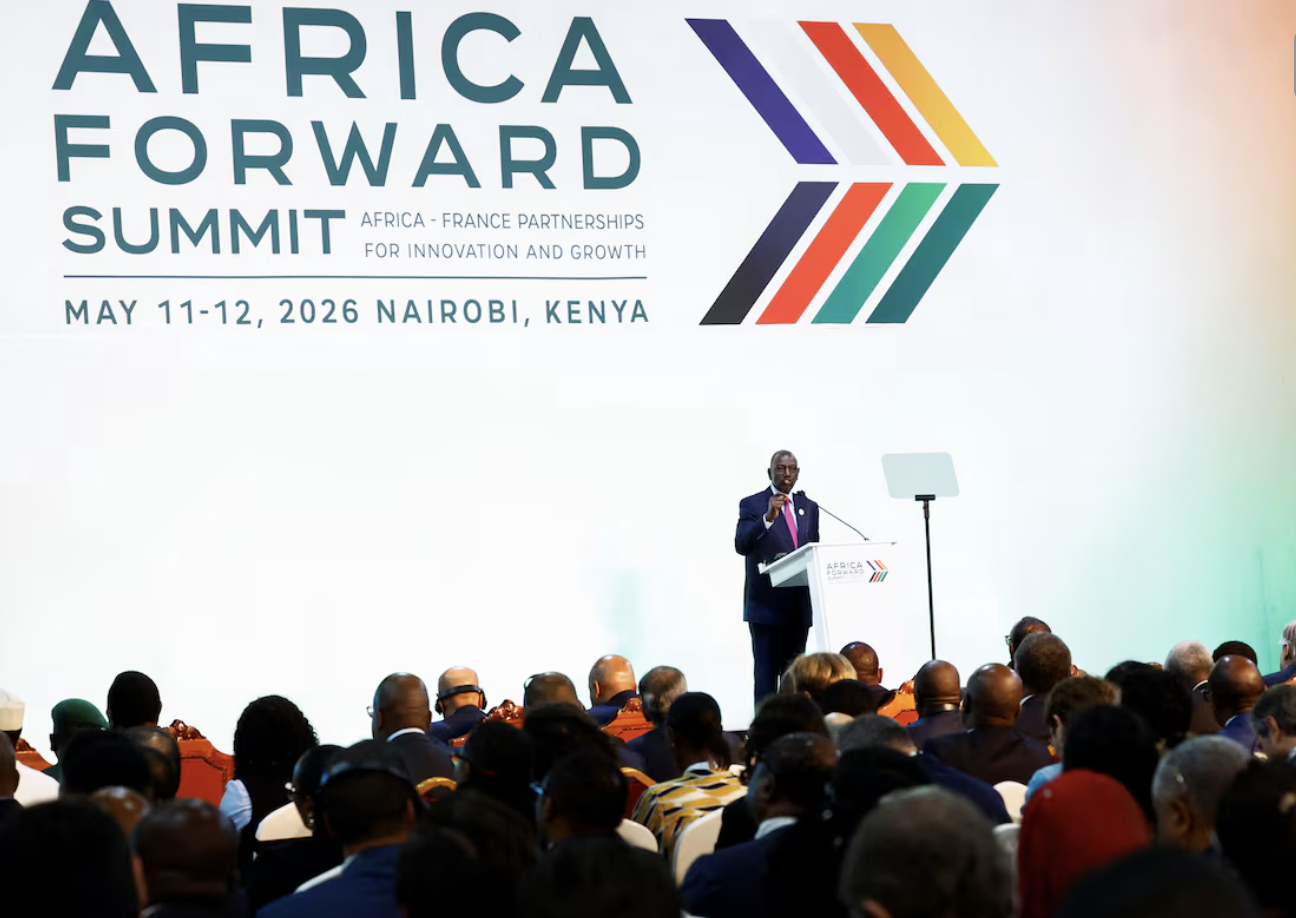
At the Africa Forward Summit in Nairobi, Jean‑Wilfried Kemajou, country brand manager for the Republic of Benin, delivered a pointed message in the presence of presidents William Ruto and Emmanuel Macron. Africa’s transformation is real, he argued, but the story of that change is too often told by others who are far removed from the […] The post ‘Africa is transforming but failing to tell the story of that change’ appeared first on New African Magazine.
 Black News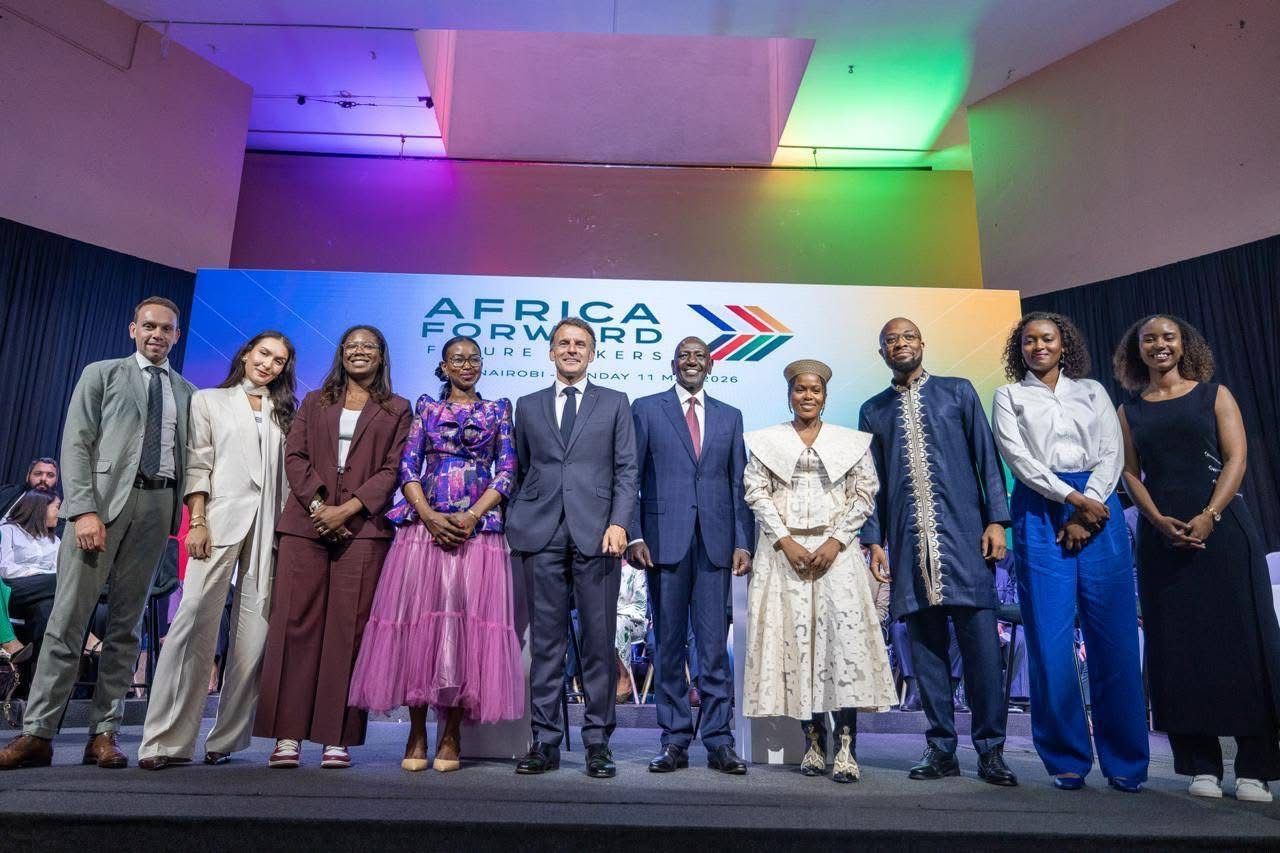
At the Africa Forward Summit in Nairobi, Jean‑Wilfried Kemajou, country brand manager for the Republic of Benin, delivered a pointed message in the presence of presidents William Ruto and Emmanuel Macron. Africa’s transformation is real, he argued, but the story of that change is too often told by others who are far removed from the lived realities of countless Africans.
“There is a challenge today in that many countries are transforming themselves but not telling the story of that transformation,” he said. “Others are telling our story, and as a result we suffer from negative stereotypes.”
Combating negative stereotypes
He said that for decades, discussions about Africa have been dominated by images of “wars, epidemics, diseases and poverty.” There is an economic cost to these misperceptions, he argued, citing a study by the NGO Africa No Filter and advisory firm Africa Practice. The study estimates that Africa loses $4.2bn annually in foregone economic opportunities due to negative stereotypes spread by international media.
We need to combat and disprove these negative stereotypes, he argued. But this can only happen if Africa owns its agenda and narrative – as well as the means to authentically tell its stories. He urged leaders in Africa to take a cue from leading world powers, which have invested heavily in sectors like media, entertainment, arts and culture – and as a result – consolidated soft power.
“There is a deliberate strategy by the great powers on the matter of soft power. These countries make concrete investments that enable them to shine on the world stage.”
Still, African countries should not lean too heavily on well funded branding campaigns and forget that the best told story is that of a job well done. Changing perceptions should not be decoupled from changing the lives of the people and transforming economies, he cautioned.
Let’s be clear in Africa there’s no nation branding without nation building. We must, of course alongside this attractiveness that we seek to build, develop essential sectors of our economies whether that is education, healthcare, infrastructure which contribute to the development of our countries
Benin’s Voodoo woos tourists
Kemajou gave the example of how Benin has transformed voodoo from something people fear to an attraction that is drawing ever larger crowds – and tourism revenue – both from within the country and beyond.
“I want to share a personal experience, as Benin has been undergoing this transformation for several years. In Benin, the cradle of Voodoo, the country has specifically sought to break free from negative stereotypes,” he told panelists.
“I know when we talk about Voodoo, people in the room are already thinking, “Oh dear, blackmagic, witchcraft, what’s going on?” Well, that’s the result of years, decades, and centuries of negative stereotypes. Voodoo is not that at all,” he explained.
“Voodoo is our spirituality; it’s who we are at our core. Under the supervision of His Excellency President Patrice Talon, the country has proudly and consciously chosen to reclaim this invaluable heritage,” he added.
He gave the example of how the Voodoo Days festival in Ouidah has rapidly evolved into the world’s largest gathering dedicated to Voodoo arts, culture, and spirituality. Launched three years ago with 97,000 participants, the event has seen exponential growth. In January 2026, attendance over the three days of the festival soared to 700,000.
“This demonstrates one thing: when a country embraces its heritage and decides to take control of its narrative, it works. It works economically, for tourism, and in helping Africans reclaim their pride as Africans. Today, the people of Benin say they are proud to be Beninese and to claim that identity,” he said.
The post ‘Africa is transforming but failing to tell the story of that change’ appeared first on New African Magazine.