Africa’s largest refinery explains why falling oil prices don’t immediately translate to cheaper petrol after $4.5 billion crude spend
The Dangote Petroleum Refinery has offered its clearest explanation yet of why domestic fuel prices do not immediately fall when global crude oil prices decline, revealing it spent $4.48 billion importing crude over the past two months under supply contracts signed well before current market prices took effect.
 Black News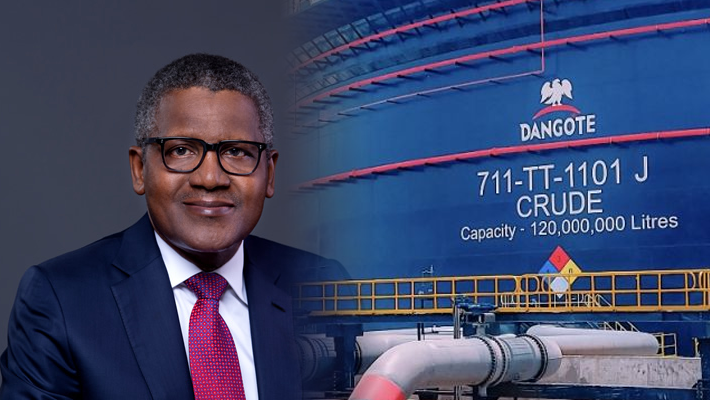

The Dangote Petroleum Refinery has offered its clearest explanation yet of why domestic fuel prices do not immediately fall when global crude oil prices decline, revealing it spent $4.48 billion importing crude over the past two months under supply contracts signed well before current market prices took effect.
- Dangote Petroleum Refinery says fuel prices do not immediately track global crude oil prices because crude is purchased weeks or months before refining.
- The refinery disclosed that it imported 40.4 million barrels of crude worth $4.48 billion in May and June 2026.
- Average landed crude costs fell nearly 24% between May and June, suggesting lower procurement costs are beginning to filter through the refinery’s operations.
- The company said Nigerians could see further fuel price moderation if international crude prices remain favourable.
According to data released by the refinery, it imported 40.40 million barrels of crude oil between May and June 2026, arguing that petroleum products reaching the market today are being refined from inventories purchased at significantly higher prices than prevailing international benchmarks.
The disclosure comes amid growing public scrutiny over domestic fuel pricing as international crude prices have retreated sharply in recent weeks. The refinery said comparisons between daily Brent crude prices and local petrol prices overlook how refineries actually procure feedstock.
DON'T MISS THIS: After $25bn in failed refinery revamps, Nigeria turns to China for fresh restart
“It is important to clarify that refinery pricing does not move in tandem with daily international crude oil quotations,” the company said, explaining that crude purchases are typically made weeks or, in some cases, months in advance under contracts linked to monthly average prices rather than spot market rates.
Crude costs eased in June
The refinery’s records show it imported 21.47 million barrels of crude in May at a landed cost of $2.68 billion, before bringing in another 18.93 million barrels worth $1.80 billion in June.
The average landed cost of crude fell from $124.80 per barrel in May to $95.25 per barrel in June, a decline of almost 24%, reflecting softer global crude prices, lower freight costs and changes in the mix of crude grades purchased.
Despite the decline, the refinery noted that both monthly averages remained well above the current international benchmark of about $71 per barrel, meaning much of the fuel currently being supplied was produced from more expensive crude inventories.

A diversified sourcing strategy
The refinery sourced crude from a broad range of suppliers across Africa and beyond, purchasing Nigerian grades such as Bonny Light, Qua Iboe, Escravos, Forcados, Amenam and Agbami alongside international blends including Libya’s El Sharara, Angola’s Cabinda and other regional grades.
The increasingly diversified procurement strategy comes as the 650,000-barrel-per-day refinery continues to expand its sourcing options to support full-scale operations.
Earlier this week, traders told Reuters that the refinery had imported crude from the United Arab Emirates for the first time, highlighting its growing flexibility in securing feedstock as global supply patterns evolve.
DON'T MISS THIS: Nigeria turns to China to help fix its broken refineries
Why it matters
The disclosure provides a rare glimpse into the economics of operating Africa’s largest refinery, which has become central to Nigeria’s fuel supply since ramping up commercial production.
The refinery said it deliberately absorbed part of the higher crude procurement costs instead of passing them entirely to consumers, arguing that doing so helped cushion inflationary pressures and improve price stability in Nigeria’s downstream market.
It also said domestic refining has strengthened Nigeria’s energy security by reducing dependence on imported petroleum products and easing pressure on the country’s foreign exchange reserves.
Looking ahead, the company said consumers could benefit from further reductions in fuel prices as cheaper crude purchased in recent weeks gradually replaces higher-cost inventories, provided global oil market conditions remain supportive.