Africa’s richest city promises creditors billions it cannot yet access as Treasury freezes funds and Eskom power-cut threat looms
Johannesburg has promised to pay about $145 million (R2.36 billion) to Eskom and Rand Water within days, despite not currently having access to the money it needs to honour the commitment.
 Black News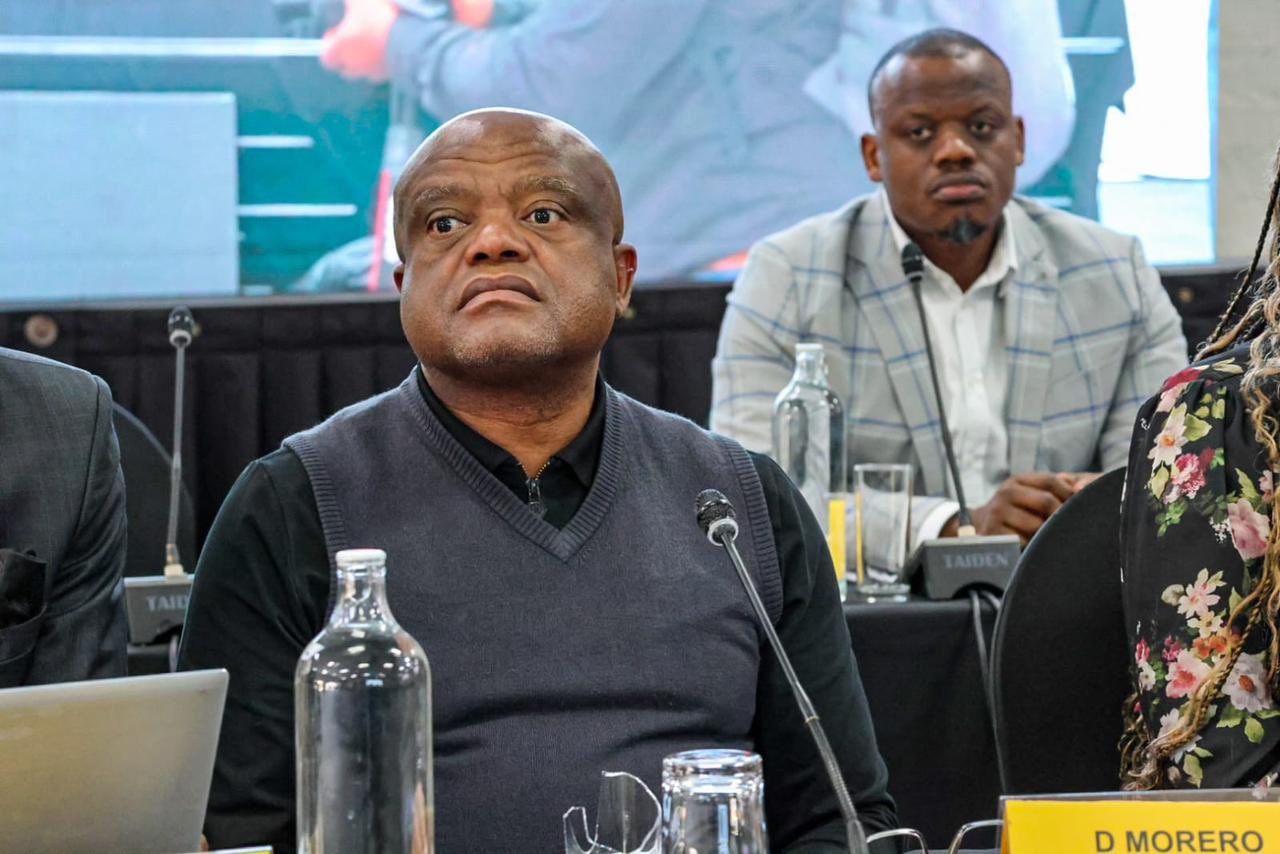

Johannesburg has promised to pay about $145 million (R2.36 billion) to Eskom and Rand Water within days, despite not currently having access to the money it needs to honour the commitment.
- Johannesburg has promised to pay about $145 million to Eskom and Rand Water by mid-July, although it does not currently have access to the money.
- The city is relying on the release of $221 million in equitable-share funding withheld by South Africa’s National Treasury.
- Eskom is owed about $319 million and may decide on electricity interruptions after a public consultation process concludes.
- The dispute follows the seizure of municipal assets, the grounding of road-maintenance vehicles and years of deteriorating infrastructure in South Africa’s economic capital.
Executive Mayor Dada Morero said Eskom would receive approximately $86 million (R1.4 billion), while Rand Water would be paid about $59 million (R960 million) by mid-July.
However, the payments depend on South Africa’s National Treasury releasing $221 million (R3.6 billion) in equitable-share funding that it withheld over persistent breaches of municipal finance rules.
The arrangement leaves Africa’s richest city effectively promising creditors money that remains frozen by the national government.
“As the equitable share will then come into the city, we confirm that we will be paying Eskom and Rand Water,” Morero told reporters on Wednesday.
Treasury has not given Johannesburg a definite date for the release of the money. It says funding will be restored in stages only after affected municipalities submit credible plans to reduce irregular spending and pay their creditors.
That uncertainty raises questions over whether Johannesburg can meet the commitments before Eskom decides whether to restrict electricity supplies to parts of the city.
Johannesburg’s financial credibility is under pressure
The funding freeze is the latest sign of mounting financial pressure in South Africa’s commercial capital.
DON'T MISS THIS: Africa’s richest city loses state funding as South Africa cracks down on wasteful spending
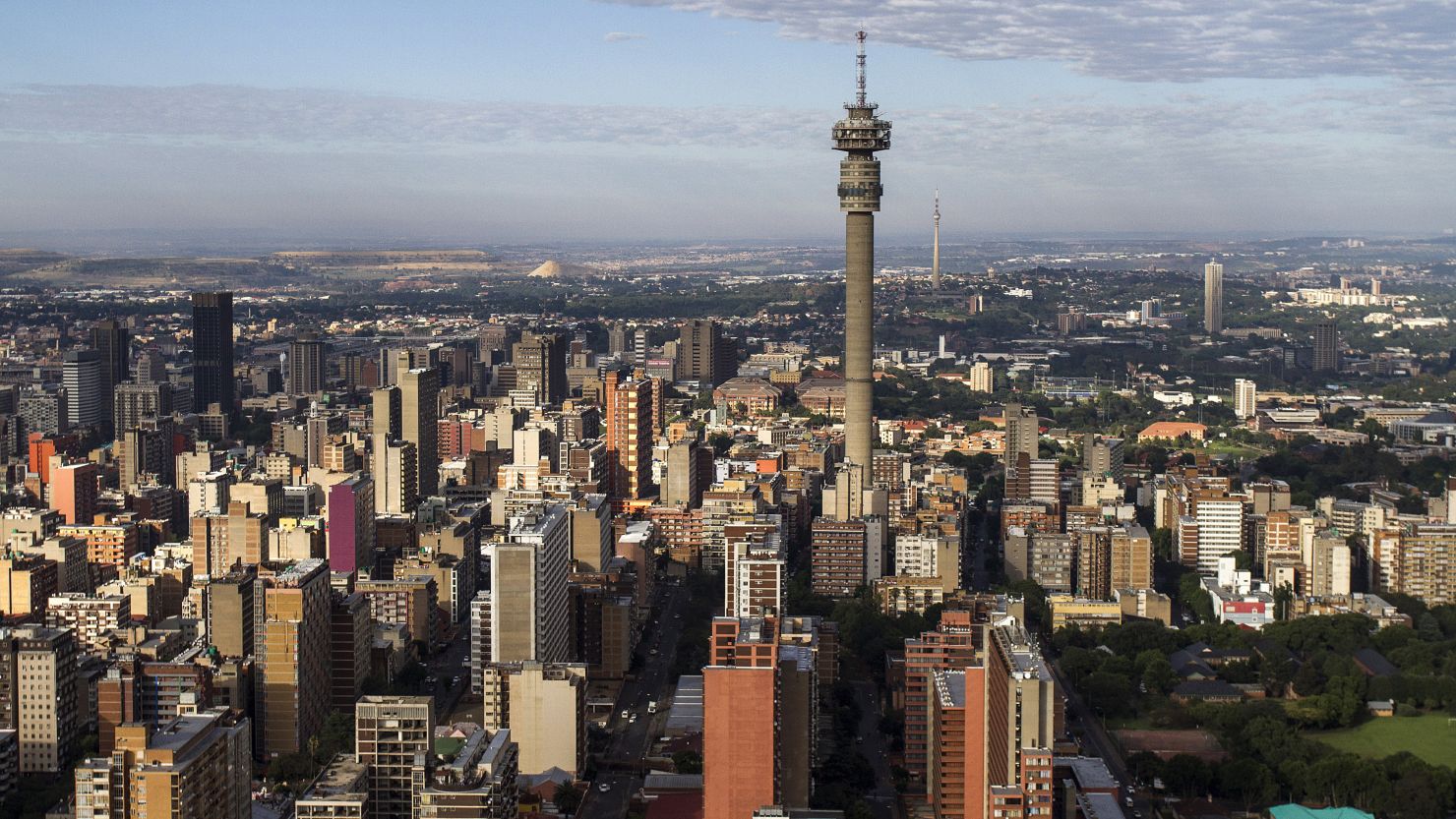
Johannesburg accounts for about 15% of South Africa’s economy and is home to the Johannesburg Stock Exchange, major banks, multinational companies and some of the continent’s largest corporate headquarters.
Disruptions to electricity, water and municipal services in the city therefore carry consequences far beyond local government.
National Treasury withheld Johannesburg’s July transfer alongside funding for dozens of other municipalities after what it described as persistent and serious non-compliance with financial management laws.
The affected municipalities accumulated approximately $2.46 billion (R40.14 billion) in unauthorised, irregular, fruitless and wasteful expenditure during the past year.
Treasury said the intervention was corrective rather than punitive and followed years of warnings and efforts to help municipalities improve their finances.
To regain access to the full funding, municipalities must submit approved creditor-payment plans and show progress in reducing irregular expenditure. Only part of the allocation will initially be released, with the balance dependent on municipalities proving that creditors have been paid.
DON'T MISS THIS: South Africa may consider government intervention in Africa's richest city amid deepening financial crisis
Johannesburg says it has complied with Treasury’s requirements and that its revised budget is fully funded.
However, civil society organisation OUTA has questioned the city’s confidence, warning that another injection of cash will not fix weaknesses in revenue collection, procurement, expenditure control, maintenance and financial reporting.
Eskom’s patience is running out
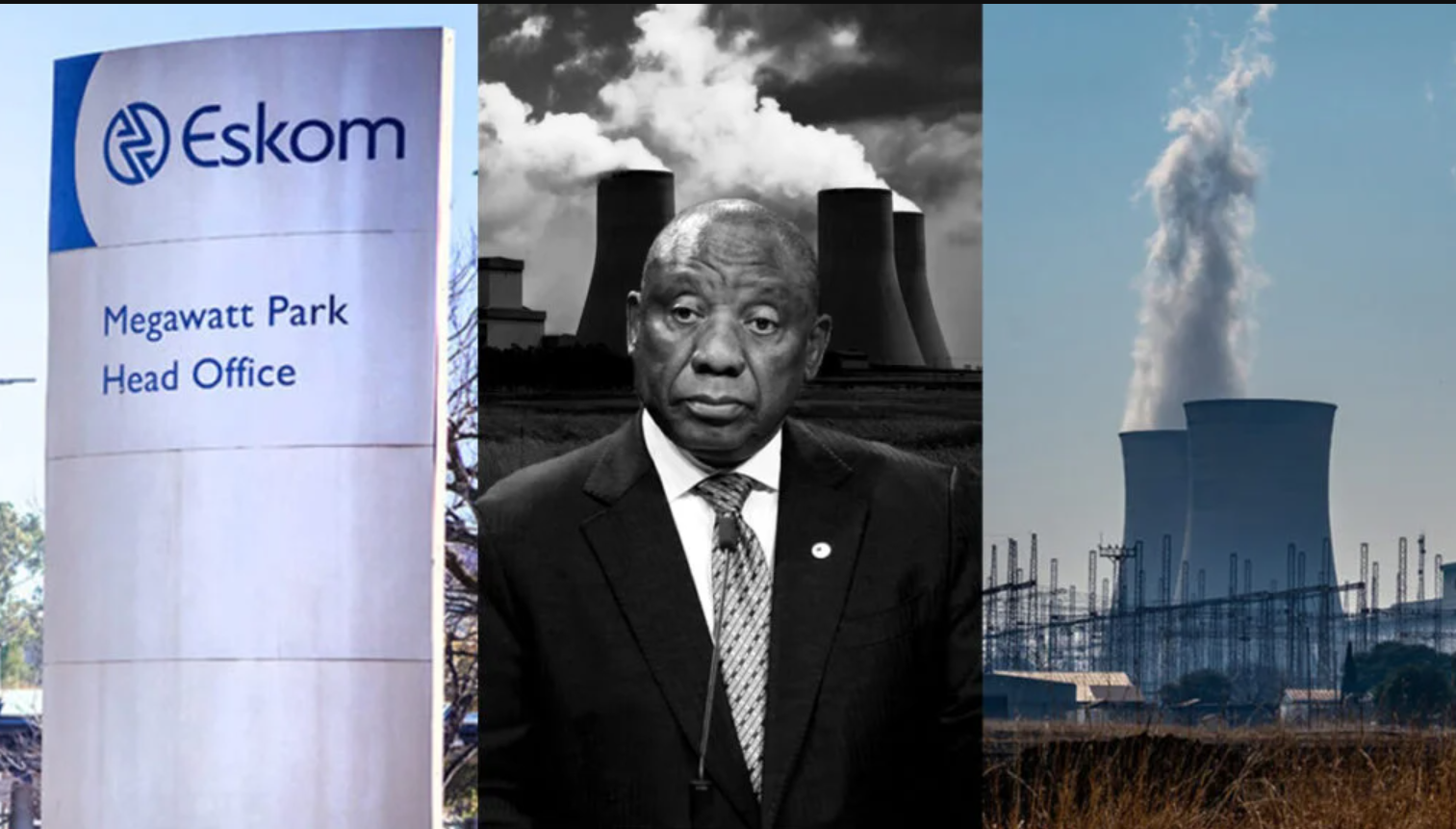
The most immediate pressure is coming from Eskom. The state-owned electricity company said in May that Johannesburg and its power distributor, City Power, owed it approximately $319 million (R5.2 billion).
DON'T MISS THIS: Africa’s richest city given 14 days to settle over $300 million power utility debt crisis or face court action
Eskom accused the city of repeatedly failing to honour its electricity supply agreement and issued notice that it could reduce, interrupt or terminate supply at selected bulk connection points.
Payments of roughly $74 million (R1.2 billion) were subsequently made, but Eskom said Johannesburg failed to settle a current account due in June, leaving an overdue balance of approximately $166 million (R2.7 billion).
The utility extended the period for public representations until July 17 and said it would announce the outcome of the process on July 24. The threat of interruptions has therefore been delayed, not withdrawn.
Johannesburg reportedly owes Rand Water approximately $74 million (R1.2 billion), meaning the city’s total arrears to the two utilities exceed the entire equitable-share transfer being withheld.
Even if Treasury releases all $221 million (R3.6 billion), the funding would not be enough to settle both debts completely.
The proposed payments would reduce the pressure, but they would not resolve the underlying problem.
DON'T MISS THIS:Africa’s richest city given 14 days to settle over $300 million power utility debt crisis or face court action
The warning signs are already visible
In early July, the Sheriff of the High Court removed municipal assets from Johannesburg’s Thuso House customer service centre after the city failed to settle a debt on time.
The attachment disrupted services at the building, which remained closed even after the city said it had resolved the dispute.
Weeks earlier, the Johannesburg Roads Agency suspended refuelling for parts of its fleet after unpaid fuel bills, temporarily grounding vehicles used for pothole repairs, traffic-light maintenance, stormwater work and emergency responses.
The payment failures have added to wider concerns about Johannesburg’s deteriorating roads, unreliable water supply, electricity outages and ageing infrastructure.
They also expose a fundamental weakness in the city’s finances: Johannesburg bills residents and businesses billions of rand for services but continues to struggle to collect enough revenue and pay suppliers on time.
Morero has acknowledged that the city must improve cash flow and revenue performance, even while maintaining that Johannesburg is not yet in a financial crisis.
Moody’s sees improvement, but the rating remains speculative
The latest developments came only days after Moody’s confirmed Johannesburg’s credit ratings and assigned the city a positive outlook.
Moody’s decision concluded a review for a possible downgrade that began in April over governance concerns, delayed financial statements and weak liquidity.
![South Africa’s state-owned power utility, Eskom, celebrates its first profit in eight years, marking a turnaround for Africa’s largest electricity producer. [Per-Anders Pettersson/Getty Images]](https://ocdn.eu/pulscms/MDA_/0903912d8e5b74d89e20dfd6fc14bee4.jpg)
The positive outlook suggests Johannesburg could receive an upgrade if it strengthens financial management and governance. However, its Ba3 rating remains below investment grade and indicates substantial credit risk. The contrast is striking.
While Moody’s sees the possibility of gradual improvement, Treasury has judged Johannesburg’s compliance failures serious enough to freeze a major transfer.
Recent failures to pay utilities, landlords and fuel suppliers also show that an improved credit outlook has not eliminated the city’s immediate cash constraints.
DON'T MISS THIS:South Africa’s richest city wins Moody’s confidence despite growing debt burden
Why Johannesburg’s crisis matters
Johannesburg’s financial problems are increasingly becoming an economic risk for South Africa.
Businesses operating in the city already contend with water interruptions, damaged roads, unreliable electricity infrastructure and growing private-security and backup-power costs.
Any restriction of bulk electricity supplies would add another layer of uncertainty for companies based in the country’s financial centre, potentially affecting commercial districts, industrial operations and public services.
The dispute also comes as African cities such as Nairobi, Lagos, Cairo and Cape Town compete to attract investment, corporate headquarters and skilled workers.
A city that cannot reliably pay utilities and suppliers risks losing credibility with investors, lenders and residents, regardless of the size of its economy.
Johannesburg’s immediate task is to persuade Treasury to release the equitable-share allocation before its commitments to Eskom and Rand Water fall due.
Its bigger challenge is proving that the payment will be part of a lasting financial recovery rather than another temporary injection used to calm creditors.
For Africa’s richest city, the question is no longer simply whether it can settle the next bill. It is whether Johannesburg can restore the financial discipline and functioning infrastructure expected of the continent’s leading commercial centre.
The dollar conversions use an exchange rate of approximately R16.31 to $1 on July 10, 2026.