After Spirit’s Collapse, Travelers Are Rethinking How They Book Flights in 2026
Travelers booking flights this year are facing a very different airline landscape than they were even 18 months ago. Fares are climbing on many routes. Airlines are cutting frequencies. Extra fees continue to expand. And Spirit Airlines’ financial collapse is now putting a broader spotlight on just how fragile parts of the airline industry have become. While […] The post After Spirit’s Collapse, Travelers Are Rethinking How They Book Flights in 2026 appeared first on Caribbean Journal.
 Black News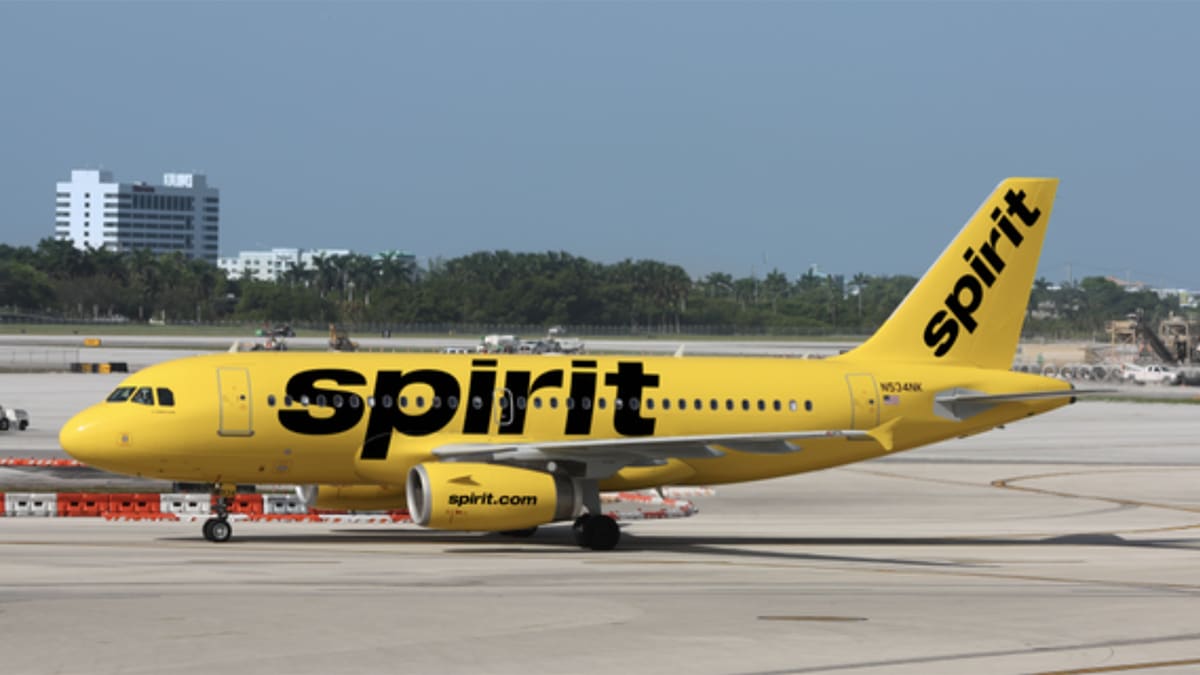
Travelers booking flights this year are facing a very different airline landscape than they were even 18 months ago.
Fares are climbing on many routes. Airlines are cutting frequencies. Extra fees continue to expand. And Spirit Airlines’ financial collapse is now putting a broader spotlight on just how fragile parts of the airline industry have become.
While Spirit’s financial problems had been building for months before its bankruptcy filing in late 2024, travel insurance experts say the bigger takeaway for travelers in 2026 is how quickly protections can disappear once an airline’s instability becomes public.
That’s becoming increasingly important as airlines across the industry continue dealing with rising operational costs and tighter margins.
Why Spirit Became a Warning Sign
Spirit’s financial struggles had already become widely known long before the airline formally collapsed. That timing became critical for travelers trying to protect future trips.
According to Squaremouth, many insurers had already classified Spirit’s financial instability as a “foreseeable event” after its first bankruptcy filing in November 2024. Once that happens, certain protections effectively disappear for new policyholders.
That included financial default coverage, one of the key protections travelers often rely on if an airline stops operating.
The lesson, according to insurance experts, is less about Spirit specifically and more about how fast the rules change once financial trouble becomes public knowledge.
Travelers who wait until headlines appear often discover that the strongest protections are no longer available.
What’s Happening Across Airlines Right Now
The concern isn’t that every airline is facing collapse. It’s that the economics of flying continue getting more difficult across the industry.
Higher fuel prices remain one of the biggest pressure points for carriers in 2026, and airlines have increasingly passed those costs directly to travelers.
That’s showing up in several ways.
Ticket prices on many domestic and Caribbean routes have increased compared to last year. Checked bag fees continue rising across major carriers. Some airlines are trimming routes or reducing weekly frequencies on less profitable flights.
Travelers are also seeing smaller cost-cutting changes that add up quickly.
Several carriers have reduced complimentary onboard offerings on shorter flights. Baggage allowances have tightened on some fare categories. More airlines are pushing travelers toward higher-priced fare bundles to maintain benefits that were previously standard.
The result is a travel environment where disruptions can become more difficult — and more expensive — to navigate.
Why Timing Matters More Than Ever
Travel insurance experts say the key issue is timing.
Once a financial problem, storm threat, labor issue, or operational disruption becomes widely known, certain protections may no longer apply to newly purchased policies.
That’s particularly important during Caribbean hurricane season, when weather-related risks can also quickly become classified as foreseeable events.
“Spirit’s shutdown highlights how rapidly travel insurance protections become limited once a situation becomes known, from operator financial instability to weather-related events like hurricanes,” said Chrissy Valdez, Senior Director of Operations at Squaremouth. “Travel insurance works best when purchased early.”
That advice is becoming increasingly relevant for Caribbean travelers, especially during the summer and fall seasons when weather risks overlap with a more volatile airline environment.
What Travelers Should Watch Before Booking
Travel advisors and insurance experts increasingly recommend purchasing coverage shortly after booking airfare and accommodations, particularly for international and island trips where replacement flights can become expensive quickly.
Travelers are also being encouraged to carefully review whether financial default protection is actually included in the policy they’re considering.
Not all plans automatically include it.
And perhaps most importantly, experts say travelers should avoid waiting until a problem becomes headline news before buying coverage.
By then, the strongest protections may already be unavailable.
What This Means for Caribbean Travel
The Caribbean often feels airline stress faster than larger mainland markets.
Many islands depend heavily on limited nonstop service, especially from smaller U.S. cities. When airlines reduce frequencies or eliminate routes, travelers can suddenly face longer connections, overnight layovers, or sharply higher fares.
That becomes even more noticeable during summer and fall, when schedules traditionally thin out across the region.
For travelers planning Caribbean vacations this year, the biggest takeaway may simply be preparation.
Book earlier. Lock in insurance earlier. And pay closer attention to airline stability and route schedules than travelers may have in previous years.
Because the Spirit situation showed how quickly the rules can change once trouble becomes public.
The post After Spirit’s Collapse, Travelers Are Rethinking How They Book Flights in 2026 appeared first on Caribbean Journal.