At COP31, world will cut more climate deals but where are the results?
The gap between setting ambitious targets and actually achieving them needs to be closed by seeking measurable progress from countries.
 Black News
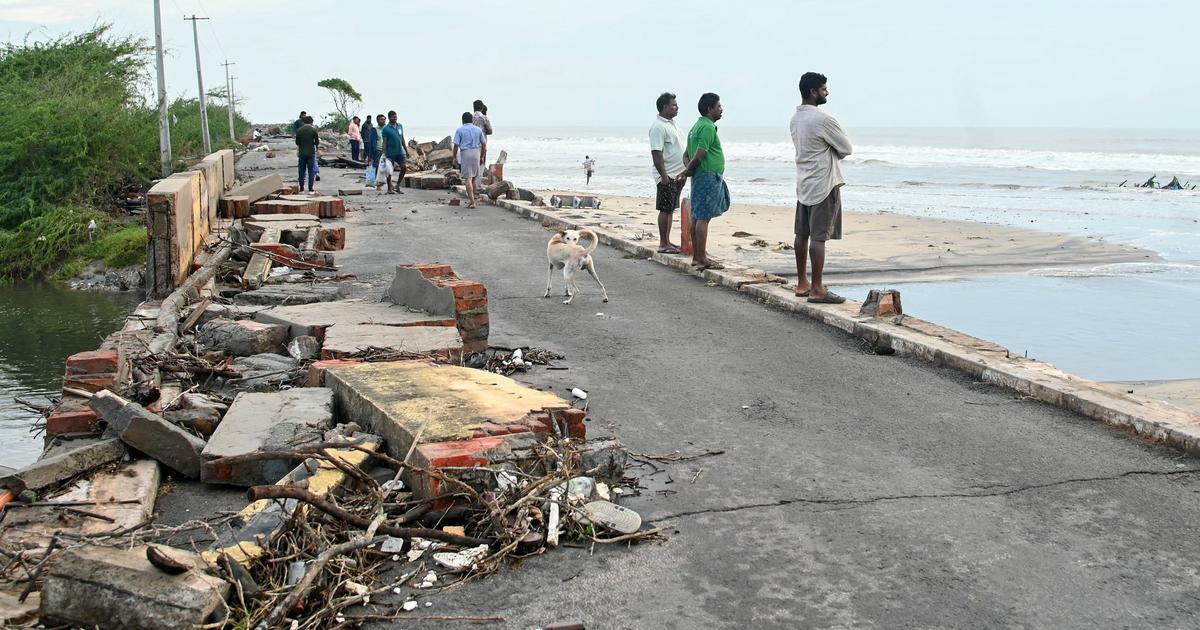

In climate diplomacy, the most abundant resource is the future tense. Governments repeatedly promise to reduce the greenhouse gases heating the planet, build cleaner energy systems and protect people from floods, droughts and extreme heat. The deadlines are often years away. By the time they arrive, the leaders who made the promises may be long gone. Who checks what has actually changed?
This question should be posed to delegates in Antalya, Türkiye, where the 31st United Nations climate conference, known as COP31, will take place from November 9 to November 20. COP, or Conference of the Parties, is the annual climate meeting held under the United Nations Framework Convention on Climate Change where countries negotiate how to address global warming.
These negotiations seem distant for those worried about rising the cost of electricity, failing crop harvests – like in India after the poor monsoon – or flooded homes. But these negotiations can go towards preventing such losses.
The meetings have produced important agreements. In Paris in 2015, governments agreed to try to keep the rise in the Earth’s average temperature “well below” 2 degrees celsius above pre-industrial levels and to pursue efforts to limit it to 1.5 degrees celsius. At a planetary scale, even fractions of...