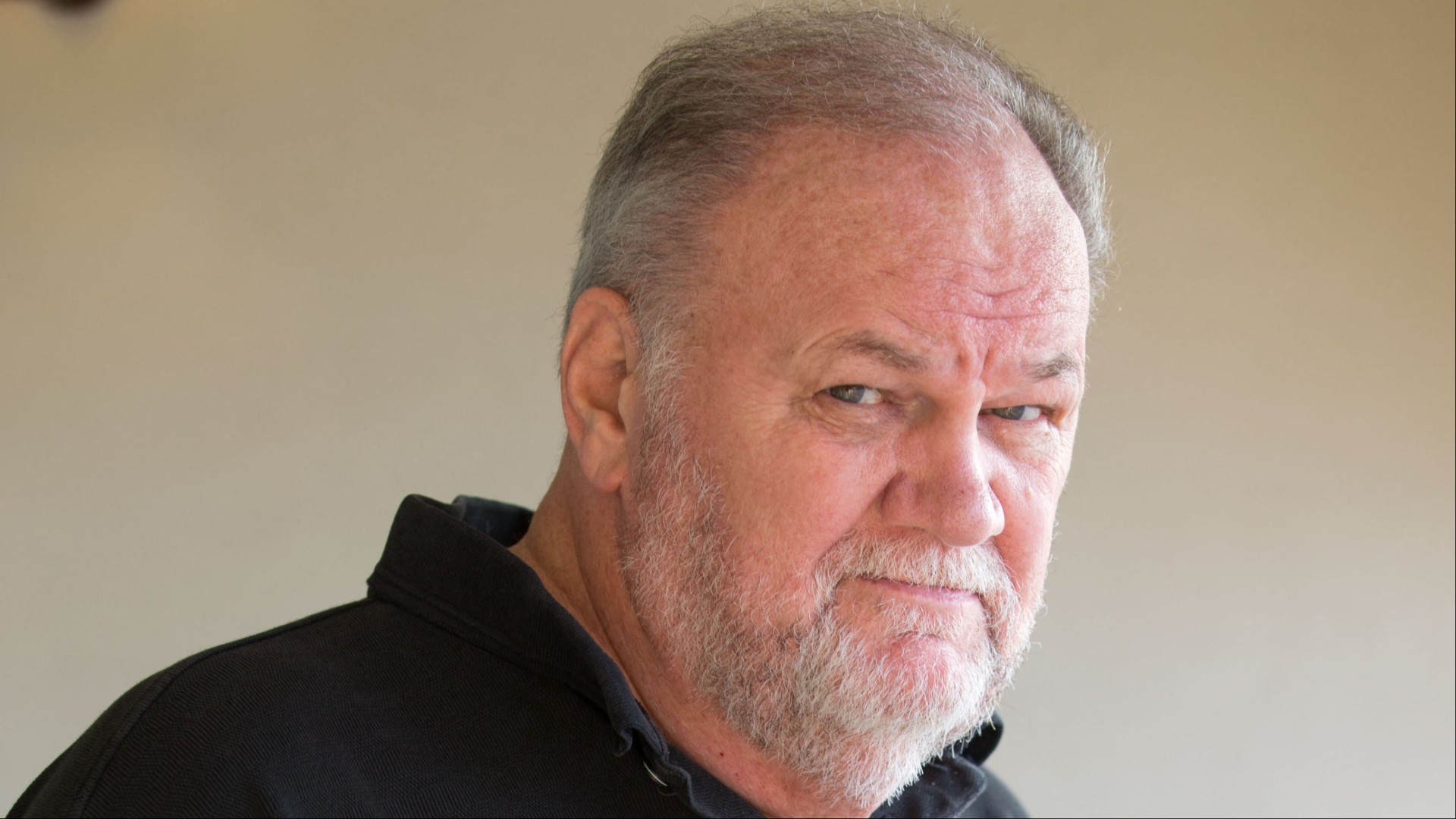
Rory Stone Love: Celebrating Four Decades In Music
The post Rory Stone Love: Celebrating Four Decades In Music appeared first on Reggae Vibes.
 Black News

Rory Stone Love: Celebrating Four Decades In Music
He was born Rory Gilligan in South London to Jamaican parents and moved to Jamaica in the early 1980s. There he became known as Rory Stone Love, building a reputation in sound system culture before turning to production and running the Black Dub imprint.
Stone Love and the clash era
Rory joined Stone Love Movement in 1982. Winston “Wee Pow” Powell had founded the sound in the early 1970s in the Torrington Lane area of Kingston, initially playing mostly soul and disco. In the late 1970s it was already regarded as one of Kingston’s most respected outfits, known for its powerful system and musical standards. Through the 1980s, as dancehall became Jamaica’s dominant popular music, Stone Love drew large crowds and built a following that eventually stretched across Jamaica, the United States, the United Kingdom and Japan.
By the close of the decade the sound was a dominant presence on the Jamaican dancehall circuit, and the clashes and international tours of the 1990s followed. Before social media and digital promotion, selectors built their names dance by dance, and Rory came through that competitive scene as one of the most respected selectors of his time.
By the early 1990s, he was among Stone Love’s leading selectors, working alongside Wee Pow and the rest of the crew, with sound engineer Winston Samuels as the top sound engineer. Their approach rested on tight juggling, precise timing and a sense of what a crowd needed. Stone Love became associated with exclusive dubplates and with artists including Shabba Ranks, Buju Banton, Wayne Wonder, Sanchez and Beenie Man, several of whom benefited from the sound’s popularity.
Stone Love’s rivalry with sounds such as Killamanjaro was central to the golden age of dancehall clashes, and Rory played a prominent part in many of those encounters, admired for his technical ability, musical knowledge and timing. Two remain especially celebrated: the 1992 Stone Love versus Killamanjaro showdown at Prison Oval in Spanish Town, and the 1994 three-way clash with Stone Love, Killamanjaro and Metro Media in Portland. Both are still prized by collectors of classic sound clash recordings.
At that time, Stone Love was not necessarily the most aggressive clash sound, but it was one of the most complete: top-class equipment, strong selectors, unprecedented access to dubplates, and a style that worked both at regular dances and in clashes. By the late 1990s, they had franchises in several countries, allowing Stone Love to be active in the United States, Canada, Europe, and Jamaica on the same night. As a result, Rory, Billy Slaughter, Geefus, and the other selectors each became internationally recognized in their own right as “Stone Love.”
Rory is credited with helping popularise advanced juggling, beat-matching and inventive dubplate presentation in the sound system arena. These practices raised the selector’s role and helped Stone Love keep its place in reggae and dancehall culture.
From selector to producer
Over the past decade Rory has built a catalogue as a producer through Black Dub, favouring a roots-oriented approach grounded in strong songwriting, live instrumentation and Jamaican riddims.
Black Gold by Samory I, released through Black Dub in 2017, established his standing in the studio. It combined conscious lyrics and live musicianship in the reggae roots tradition at a time when roots music was drawing renewed international attention. It is one of the standout roots reggae albums of its era (see our review) and helped establish Samory I as a leading voice of the modern reggae revival.
He has also worked closely with Welsh-Jamaican singer Aleighcia Scott. Their album Windrush Baby, shaped by the British-Caribbean heritage they share, was recorded over several years with Jamaican musicians. It gave Rory’s productions a more personal side (read the review).
More recently Rory has worked with Jamaican vocalist Yeza. Their releases on Black Dub range from contemporary roots reggae to rub-a-dub and lovers rock, including Bullseye, Road Runner and Rude. They led to her debut album with Rory, Star Of The East, released in 2025, which received mostly positive reviews. Check our review here!
Celebrating four decades of Stone Love
From sound system to studio, Rory Stone Love has given reggae a great deal. Here’s hoping that the music, and the dances, still have plenty more to receive from him.
The line-up for the night includes Waggy T, Jazzy T, Delano, Kevin Crown, Chris Dymond, DJ Lank and DJ Juxxy Fire. More information is available at stonelovemixtapes.com or on 954 551 3978. For anyone who followed Stone Love in the 1990s, it promises to be a night worth remembering.
The post Rory Stone Love: Celebrating Four Decades In Music appeared first on Reggae Vibes.