At Xavier, ‘Carmen’ production challenges opera’s exclusive past
Students and faculty at Xavier University of Louisiana are using their production of “Carmen” to challenge long-held perceptions of opera as exclusive and inaccessible. Rooted in the university’s history and legacy, the performance highlights the role HBCUs play in expanding access to the art form while shaping its future. The post At Xavier, ‘Carmen’ production challenges opera’s exclusive past appeared first on AFRO American Newspapers.
 Black News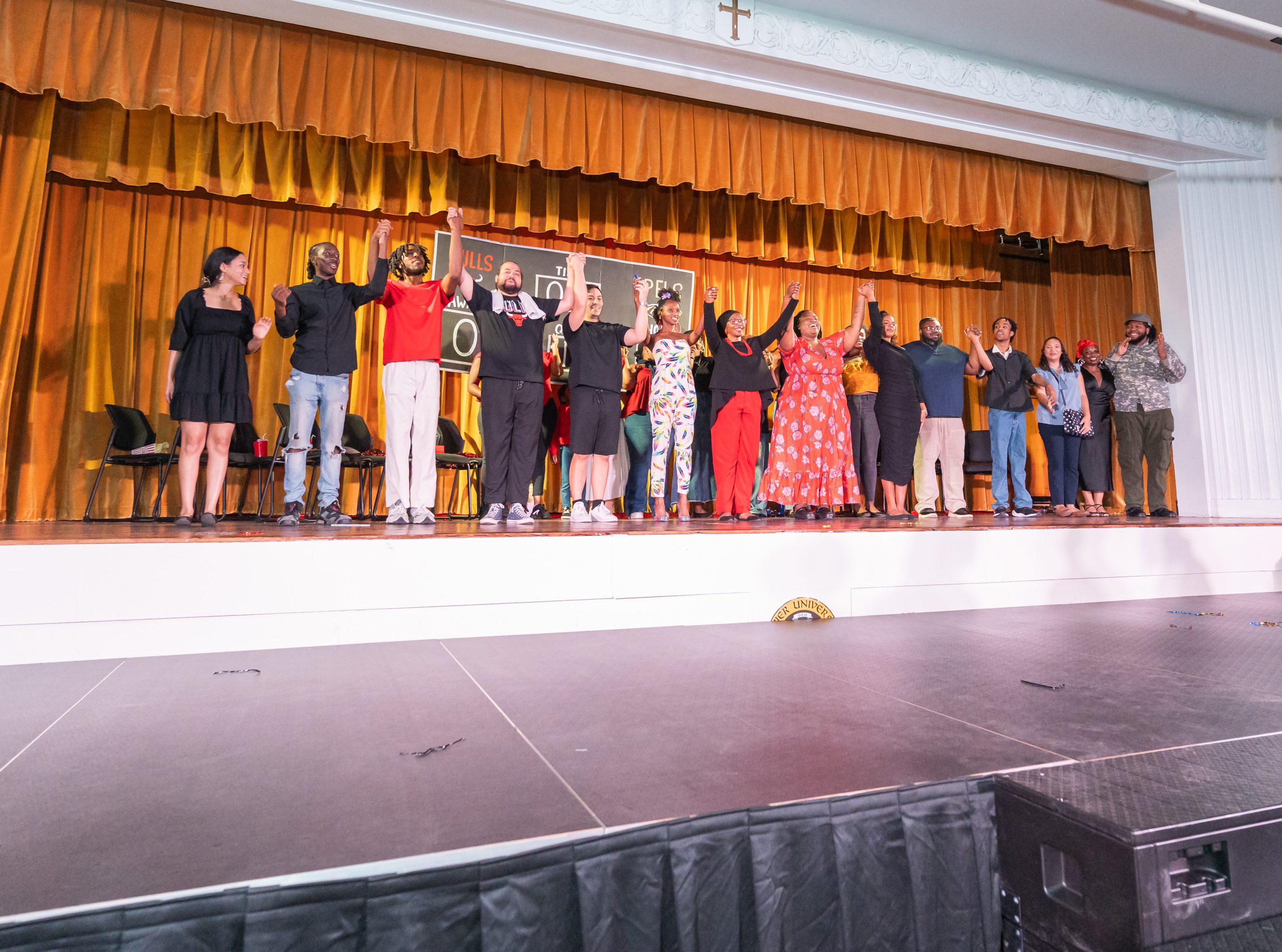


By Victoria Mejicanos
AFRO Staff Writer
vmejicanos@afro.com
Opera has long been defined by its formality, exclusivity and proximity to Whiteness. At Xavier University of Louisiana, that narrative is actively being challenged through a student-led production of “Carmen,” which debuted April 24-25 at Xavier’s Administration Building Auditorium. Besides being one of the most well-known productions of opera, “Carmen” – at Xavier specifically – will blend history, community and a reimagining of opera’s intended audience.
In 1934, Xavier became the first HBCU to stage a full-scale opera when Jim Crow laws excluded people of color from cultural and recreational spaces. That legacy produced alumni who went on to perform at La Scala, Carnegie Hall, New York City Opera and the Metropolitan Opera.

Dr. Sakinah Davis, an assistant professor and career vocalist, is working to solidify the program after its closure during the COVID-19 pandemic, and hopes to use its history to reframe opera as a cultural cornerstone of campus.
“Everything about Xavier is social justice, and that extends itself to music, to performance, to opera, specifically,” said Davis. “People don’t really think about opera as social justice, but at Xavier it is. It’s about access and it’s about exposure, and it’s about nurturing artists and readers, and it’s really about community.”
That impact is already being felt for students like Sheckinah Boswell, a junior middle school math education major who found out about the opera program via email in her freshman year. She now serves as the assistant director of the production.

“The most fun part is the acting,” said Boswell. “I love pretending to be different people. I feel like I’m a child again, but it’s on purpose.”
She said that prior to participating in the program, she viewed opera as something difficult to connect to.
For Caris Green, a senior music education major who plays the role of Zuniga, this production carries both personal and historical weight.
As a student he has studied the impact Xavier has had on the history of opera in New Orleans, setting the pace for the artform in the area, leading to other integrated and longstanding productions by institutions such as the New Orleans Opera Association.

“To be able to do something that means a lot not only in the wider world of opera, but specific to my school and to my community means so much,” said Green. “I’m so grateful to be able to participate in this role because I know it’s history, but it’s also happening to be very fun at the same time.”
He added that although some people may view opera as a declining art form, its future depends largely on community support.
“These things may seem like they’re dying or they’re unimportant, but that’s because the people in the community aren’t the ones supporting it,” said Green. “If you can, support your local HBCU and all their musical endeavors. Music departments need a lot of love, and they need a lot of care, and if people want to continue seeing great things of high musical caliber then they need to be donating their time, their energy, their effort, their money or their belongings that can be repurposed for these different productions.”
Davis said “Carmen” was chosen not just for its popularity, but its deep connection to Xavier and its first opera productions. With the centennial of Xavier happening just last year, Davis said she hopes that this production will honor the past while looking toward the future of the program.
The post At Xavier, ‘Carmen’ production challenges opera’s exclusive past appeared first on AFRO American Newspapers.