Bed bugs force closure of Dr Betty Wells Urban Polyclinic
The Dr Betty Wells Urban Polyclinic has been temporarily closed after bed bugs were discovered in sections of the facility, prompting an environmental health intervention by the Ministry of Health, Wellness and Nutrition. In a statement issued Friday, the ministry said the closure was necessary to facilitate a comprehensive treatment and assessment exercise aimed at […] The article Bed bugs force closure of Dr Betty Wells Urban Polyclinic is from St. Lucia Times.
 Black News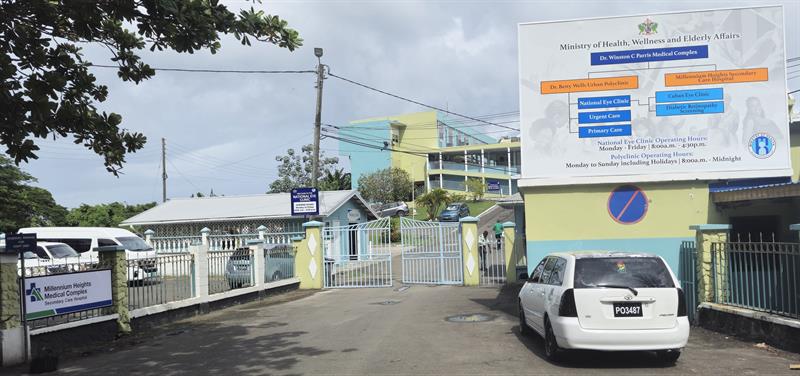

The Dr Betty Wells Urban Polyclinic has been temporarily closed after bed bugs were discovered in sections of the facility, prompting an environmental health intervention by the Ministry of Health, Wellness and Nutrition.
In a statement issued Friday, the ministry said the closure was necessary to facilitate a comprehensive treatment and assessment exercise aimed at determining the extent of the infestation and eradicating the pests.
The Environmental Health Division, working alongside the Vector Control Team, has started detailed inspections, continuous monitoring and targeted treatment of affected areas within the facility.
Officials said the intervention includes both heat and chemical treatment methods.
Heat treatment, including the use of steam equipment on chairs, furniture and identified infestation sites, is being used because bed bugs and their eggs are highly sensitive to high temperatures.
Chemical treatment is also being strategically applied to support eradication efforts.
Chief Environmental Health Officer Ernie Pierre said bed bugs are highly resilient pests found worldwide and are not necessarily linked to poor sanitation or unclean environments.
He explained that because of the high volume of daily traffic in healthcare settings, bed bugs can be unknowingly transported into facilities on clothing, bags, luggage, wheelchairs, furniture and other personal belongings.
Officials noted that bed bugs are also commonly found in other high-traffic spaces such as hotels, airports, public transportation systems and homes.
The ministry warned that bed bugs can be difficult to eliminate in a single treatment because they hide in cracks, crevices, furniture seams, bedding, wall joints and other concealed spaces. Some may also develop resistance to certain chemicals, making repeated treatment and ongoing monitoring necessary.
While bed bugs are not known to spread disease, the ministry said their bites can cause itching, skin irritation, rashes, discomfort and, in some cases, allergic reactions requiring medical attention.
Members of the public are being encouraged to familiarise themselves with common signs of infestation, including small blood stains, dark spotting, eggs, shed exoskeletons, bite marks and visible insects in mattresses, chairs or furniture seams.
The ministry also advised the public to take precautions when travelling or purchasing used furniture, mattresses, bedding or clothing.
Recommended measures include washing clothing and linens in hot water, exposing items to heat or sunlight, vacuuming furniture and mattresses regularly, inspecting luggage after travel and exercising caution when importing or buying used items.
The Environmental Health Division said it will continue providing public education and support on bed bug identification, prevention and management.
The article Bed bugs force closure of Dr Betty Wells Urban Polyclinic is from St. Lucia Times.