Black Women Did the Work. The 2026 Midterms Show It.
By Glynda C. Carr: Long before the networks called a single race on Tuesday night, Black women had already done the work. We knocked on doors, made one more round of calls, hosted gatherings in our living rooms and fellowship halls, and drove our mothers, neighbors and line sisters to the polls. That was not…
 Black News
By Glynda C. Carr:
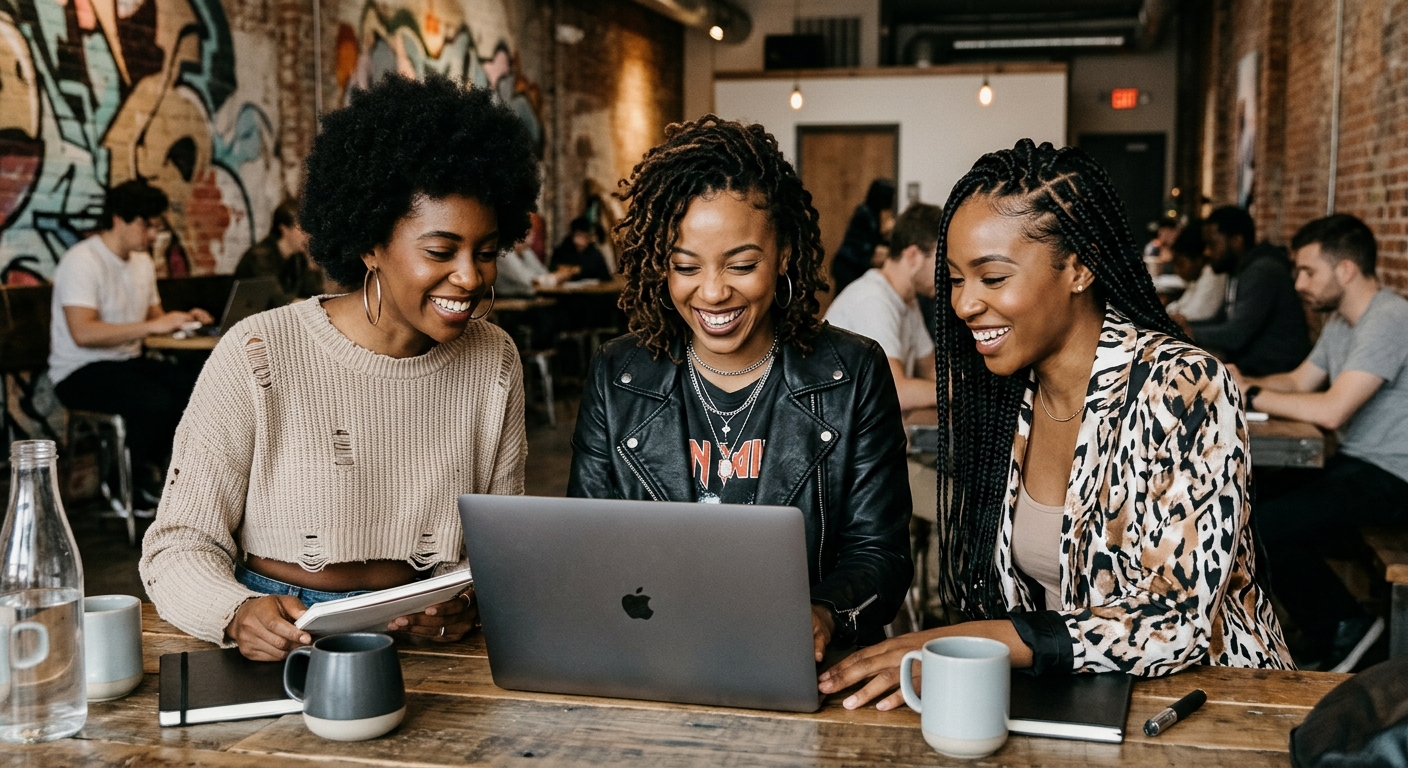
Long before the networks called a single race on Tuesday night, Black women had already done the work. We knocked on doors, made one more round of calls, hosted gatherings in our living rooms and fellowship halls, and drove our mothers, neighbors and line sisters to the polls.
That was not a given. Coming out of 2024, many Black women were tired of carrying the country and being thanked with silence. Plenty of us were ready to let somebody else do it this time. At Higher Heights, we spent 2025 and early 2026 meeting that fatigue head-on.
Then the tide turned, and it turned fast. Rent and grocery bills kept climbing. Health care got harder to afford. Lawmakers redrew maps to shrink the power of Black voters. This fall, more than nine in 10 Black women told pollsters they were dissatisfied with the direction of the country, yet 87% said they were still motivated to vote. We turned that frustration into turnout. Reports from Mississippi described Black turnout heavy enough to overwhelm polling places, and exit polls show 93% of Black women backed Democratic House candidates.
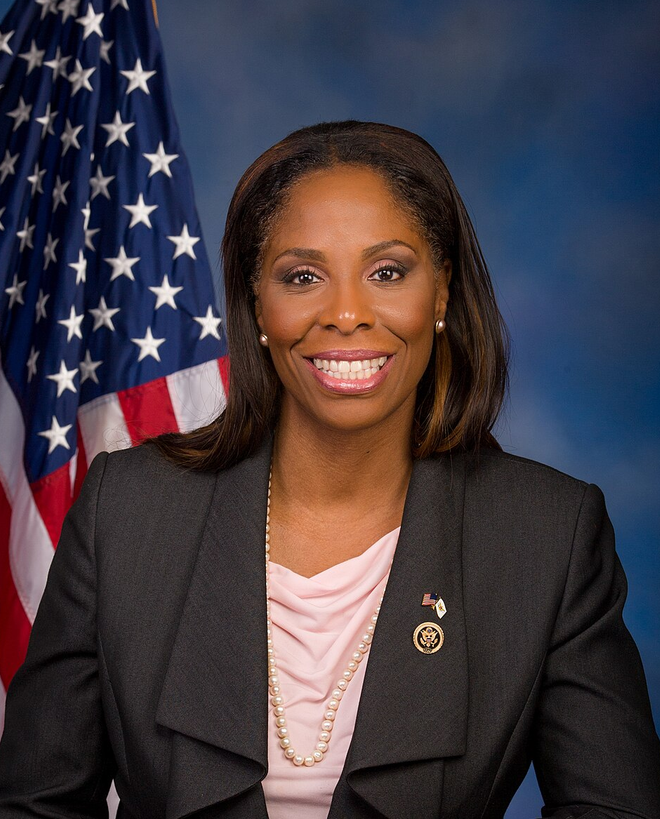
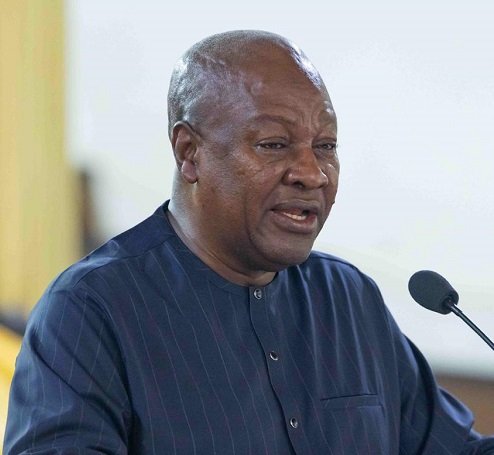
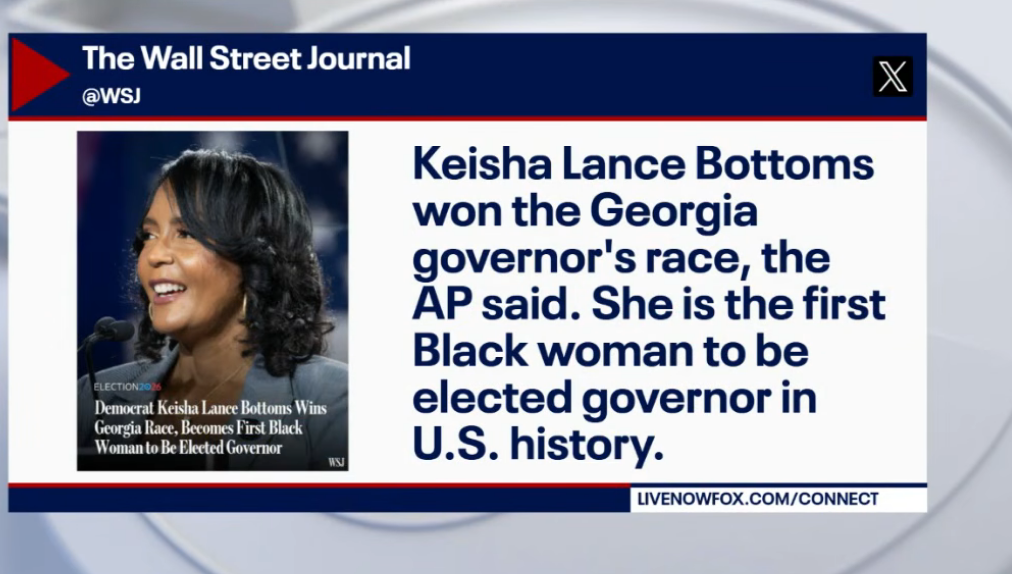
The results followed. In Georgia, Keisha Lance Bottoms became the first Black woman in the nation’s history elected to lead a state. Higher Heights was with her on her first run for Atlanta mayor, and her win belongs to every Black woman ever told to wait her turn. In the U.S. Virgin Islands, Stacey Plaskett (above) won the governorship, a reminder that Black women’s leadership stretches across the Diaspora.
In Illinois, Julianna Stratton won a U.S. Senate seat. With Senators Angela Alsobrooks and Lisa Blunt Rochester, she will make three Black women serving in the Senate at once, a first. Down the ballot, Black women won races for attorney general, secretary of state, lieutenant governor and mayor, and a new class of Black women is headed to Congress.
Now comes the part that rarely makes the news. Winning is one thing. Governing is another. Black women in power face sharper scrutiny, more personal attacks and a thinner margin for error than anyone else in the room. Governor-elect Bottoms, Governor-elect Plaskett and every woman sworn in this January will need more than our votes.
They will need us to keep showing up: paying attention after the cameras leave, defending them when the attacks come and holding them accountable to the communities that sent them.
It also means investing in Black women early, long before the polls say they can win. Too often, money and support arrive only after a Black woman has proven herself, if they arrive at all.
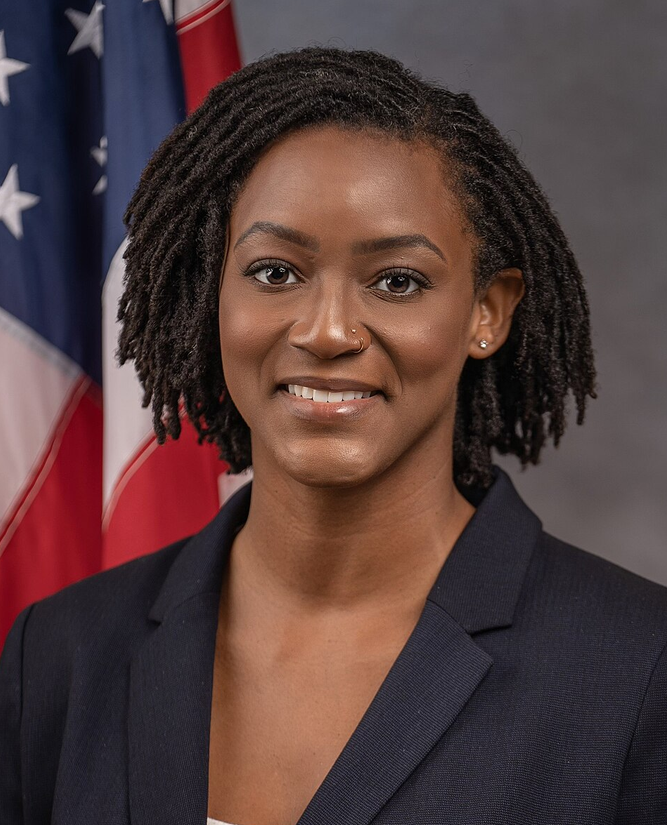
Look at Angie Nixon in Florida. There were many that backed her primary opponent, who outspent her 16 to 1. She won by more than 10 points anyway. On Tuesday, she came within three points of becoming Florida’s first Black U.S. senator, in a state many had written off. Imagine that race with real investment from day one.
Angie Nixon’s campaign was not a loss. It was a building block. She organized voters across Florida and built a network that will outlast this cycle, just as Keisha Lance Bottoms’ road to the governor’s office began with a mayoral race years ago. That is how Black women build power: brick by brick, race by race.
It took 250 years to lay the foundation for this moment. With every brick we lay now, the next one will come far sooner.
To every Black woman who ran, organized, gave and voted: thank you. This win is yours. Let’s protect it, and let’s build on it.
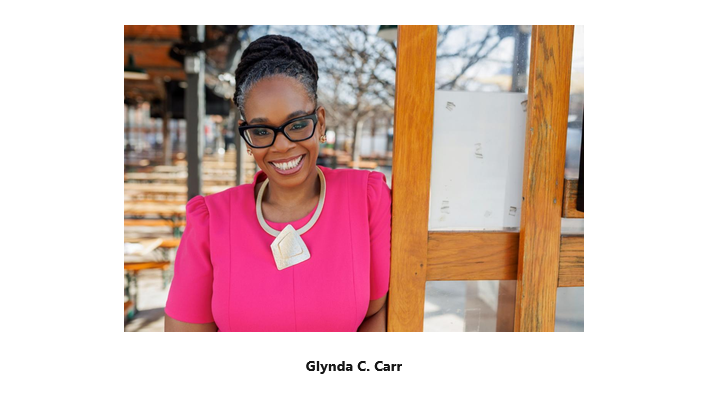
Glynda C. Carr is President and CEO of Higher Heights for America, the political home for Black women, www.higherheightsforamerica.org.