Burkina Faso signs key nuclear safety treaty amid growing partnership with Russia
Burkina Faso has formally completed its accession to the Vienna Convention on Civil Liability for Nuclear Damage, marking another milestone in the country's push to establish the legal and regulatory framework for its planned civilian nuclear energy programme in partnership with Russia.
 Black News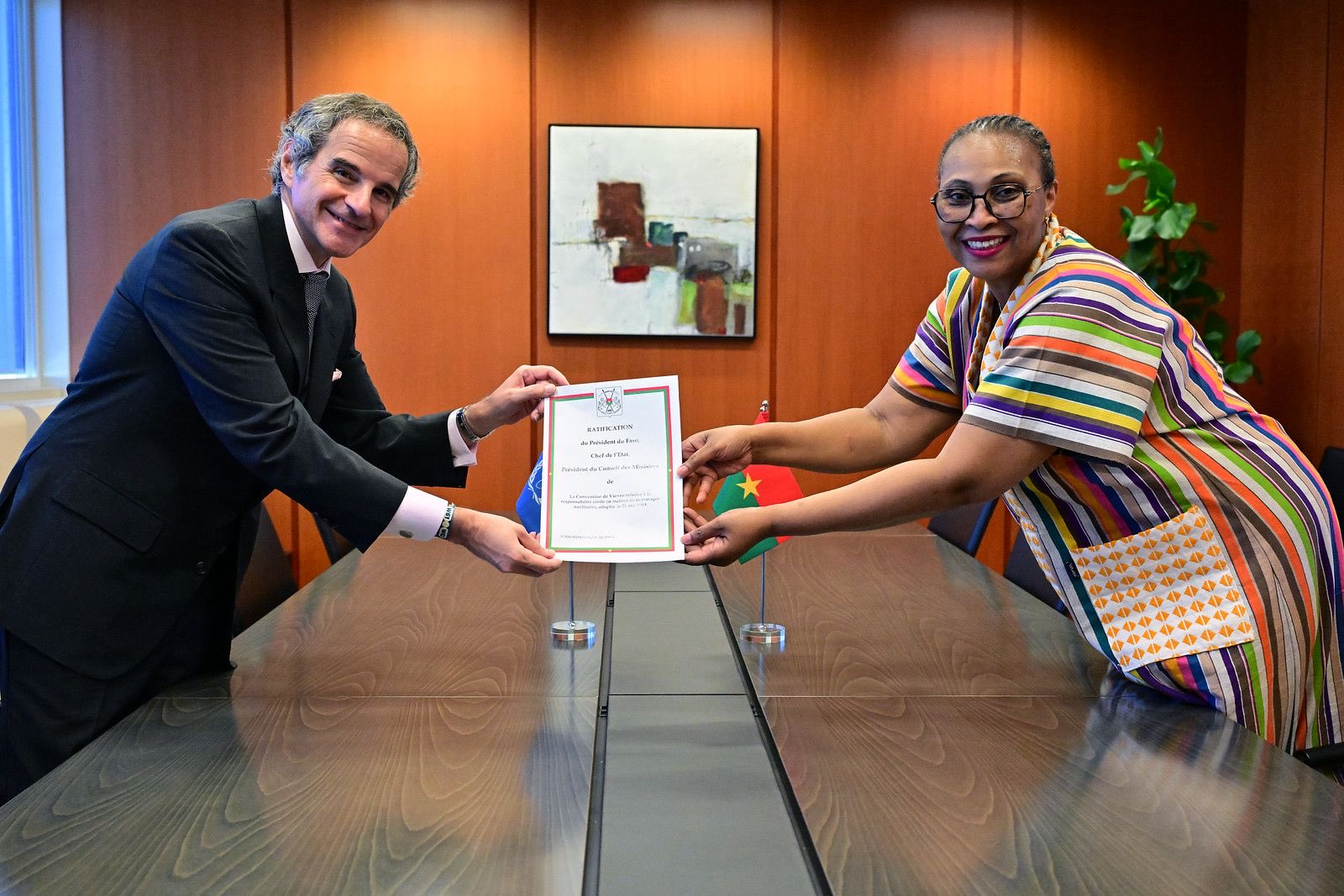

Burkina Faso has formally completed its accession to the Vienna Convention on Civil Liability for Nuclear Damage, marking another milestone in the country's push to establish the legal and regulatory framework for its planned civilian nuclear energy programme in partnership with Russia.
- Burkina Faso has formally joined the Vienna Convention on Civil Liability for Nuclear Damage.
- The move was marked by the official deposit of the accession instrument with the IAEA, reflecting the country's commitment to nuclear safety.
- This accession provides internationally recognized rules on liability and compensation for nuclear incidents, offering legal confidence to stakeholders.
- Burkina Faso's nuclear ambitions are largely supported by Russia, with ongoing cooperation in nuclear infrastructure.
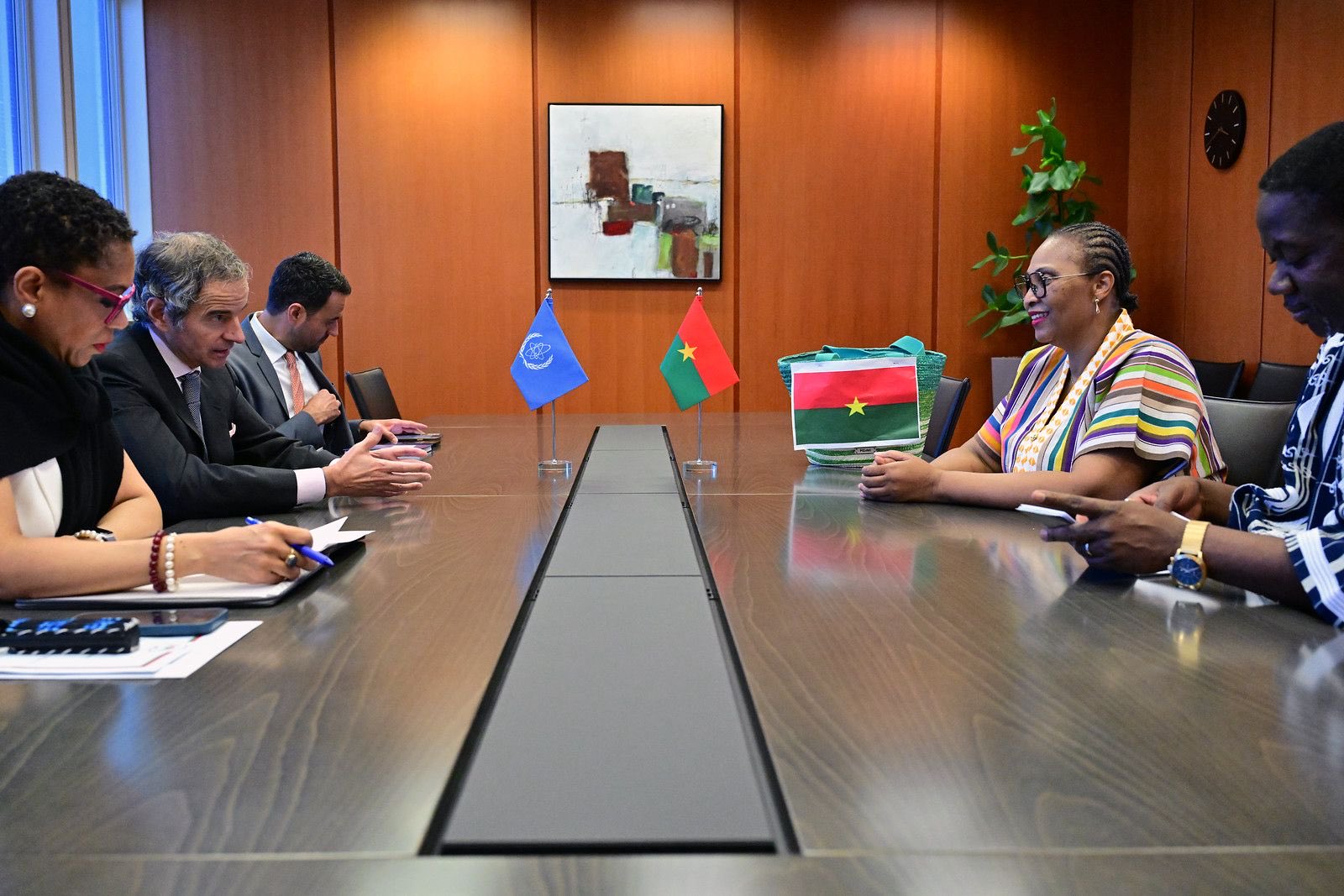
The latest development follows the official deposit of Burkina Faso's Instrument of Accession with the International Atomic Energy Agency (IAEA), the treaty's depositary.
Announcing the move, IAEA Director General Rafael Mariano Grossi congratulated Burkina Faso, saying the accession reflects the country's "commitment to strengthening nuclear safety."
The deposit formally brings Burkina Faso into the international legal regime governing civil liability for nuclear damage, months after the country's Transitional Legislative Assembly unanimously approved accession to the convention as part of broader efforts to prepare for nuclear power generation.
The Vienna Convention establishes internationally recognized rules on liability and compensation in the event of a nuclear accident arising from the peaceful use of nuclear energy. It channels liability to the operator of a nuclear installation while providing a clear legal framework to ensure victims can obtain compensation.
For countries pursuing civilian nuclear programmes, the convention is considered a cornerstone of nuclear governance, offering legal certainty to governments, investors, insurers and international technology partners.
Supporting Burkina Faso's nuclear ambitions
The completion of Burkina Faso's accession comes as the country advances a medium-term nuclear power programme aimed at addressing chronic electricity shortages and supporting long-term economic growth.
Authorities have argued that expanding electricity generation is essential for powering industries, increasing mining output and accelerating industrialisation in a country where access to reliable electricity remains a major development challenge.
Russia has emerged as Burkina Faso's principal partner in those ambitions.
In October 2023, the two countries signed a roadmap for cooperation on the peaceful use of nuclear energy during the Russia-Africa Summit in St. Petersburg.
The agreement covers nuclear infrastructure development, workforce training, nuclear medicine, radiation technologies and the potential construction of a nuclear power plant.
Since then, Burkina Faso and Russia's state-owned nuclear corporation, Rosatom, have continued discussions on implementing the project, with both sides presenting nuclear energy as a long-term solution to the country's energy deficit.
Although no timeline has been announced for the construction of a nuclear power plant, the completion of Burkina Faso's accession to the Vienna Convention represents an important legal milestone. International best practice encourages countries to establish robust legal, regulatory and safety frameworks well before nuclear facilities become operational.
The latest step also highlights Russia's expanding role in Africa's civilian nuclear sector. Through Rosatom, Moscow has signed cooperation agreements with numerous African countries and is already constructing Egypt's first nuclear power plant at El Dabaa, while pursuing similar partnerships across the continent.
For Burkina Faso, formal accession to the convention strengthens the legal foundations of its nuclear programme and signals to international partners that the country is aligning its regulatory framework with globally accepted standards as it works toward developing nuclear energy.