China continues rare earth lead over US and Europe with new discovery in East Africa
A newly confirmed rare earth elements (REEs) discovery in Mkiu Village, Ludewa District, Njombe Region, Tanzania, is adding fresh momentum to Africa’s bid to become a critical supplier of strategic minerals key to the global clean-energy transition.
 Black News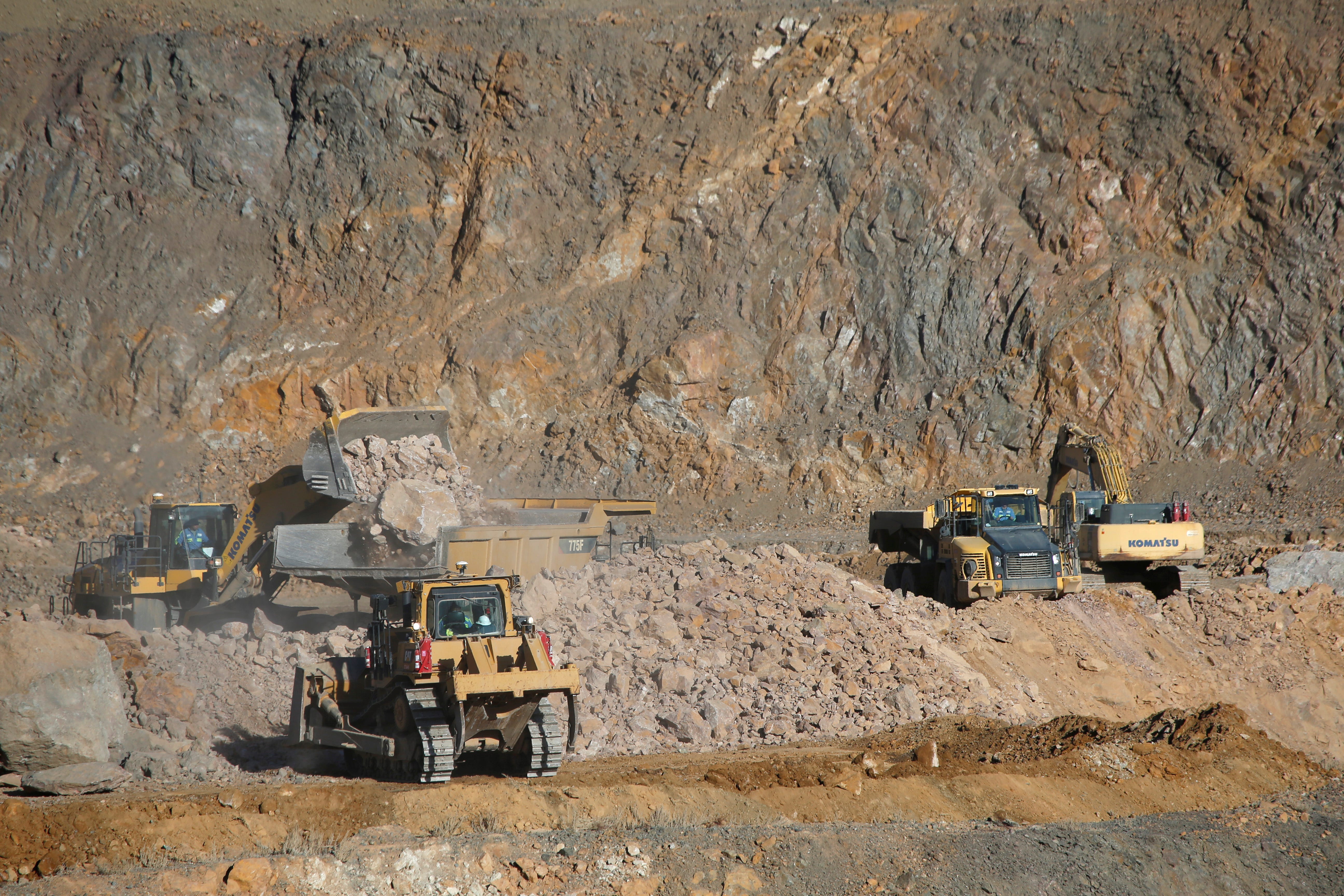
A newly confirmed rare earth elements (REEs) discovery in Mkiu Village, Ludewa District, Njombe Region, Tanzania, is adding fresh momentum to Africa’s bid to become a critical supplier of strategic minerals key to the global clean-energy transition.
- A significant rare earth elements (REEs) discovery in Mkiu Village, Tanzania, could make the country a major player in Africa's strategic minerals market.
- The Chinese company Hongji Mining, in partnership with the Tanzanian government, confirmed the presence of valuable minerals such as Neodymium and Praseodymium, crucial for clean energy technologies.
- Exploration efforts include environmental assessments and community compensation, with plans to implement modern, low-impact mining techniques.
- The discovery comes amid US-China rivalry over rare earth supplies, illustrating how African resources are increasingly important to global supply chains and geopolitical competition.
The discovery, carried out by Chinese company Hongji Mining Co. Ltd in partnership with the Tanzanian government and verified by local news outlets, contains Neodymium and Praseodymium, key minerals for electric vehicles, wind turbines, and advanced electronics
According to Njombe Resident Mining Officer Engineer Lucas Mlekwa, the discovery followed coordinated exploration by Chinese firm Hongji Mining Co. Ltd to determine the scale and commercial viability of the deposits before major investments are made, he told reporters.
“We have high hopes that Tanzania will become one of the countries benefiting economically through trade in these minerals in regional and international markets,” Mlekwa said.
He noted the discovery comes amid rising global demand for clean energy technologies.
“These minerals are highly valuable because they are essential in many modern technologies. This marks the beginning of a major economic opportunity for Njombe Region and Tanzania as a whole,” he added.
Project Scope and Community Engagement
Hongji Mining’s first phase of exploration across the 280-square-kilometre Mkiu project area has concluded, and environmental impact assessments, along with community compensation agreements, are now underway.
Over $350,000 (TSh 1 billion) has already been paid to affected residents, the company told reporters.
Hongji’s Director, Yahya Mohamed, said the firm plans to use modern in-situ leaching technology, designed to reduce the environmental footprint compared with traditional open-pit or underground mining.
“We want local communities to benefit directly through employment opportunities, business growth and improved household incomes,” Mohamed said.
China’s Strategic Leverage in Rare Earths
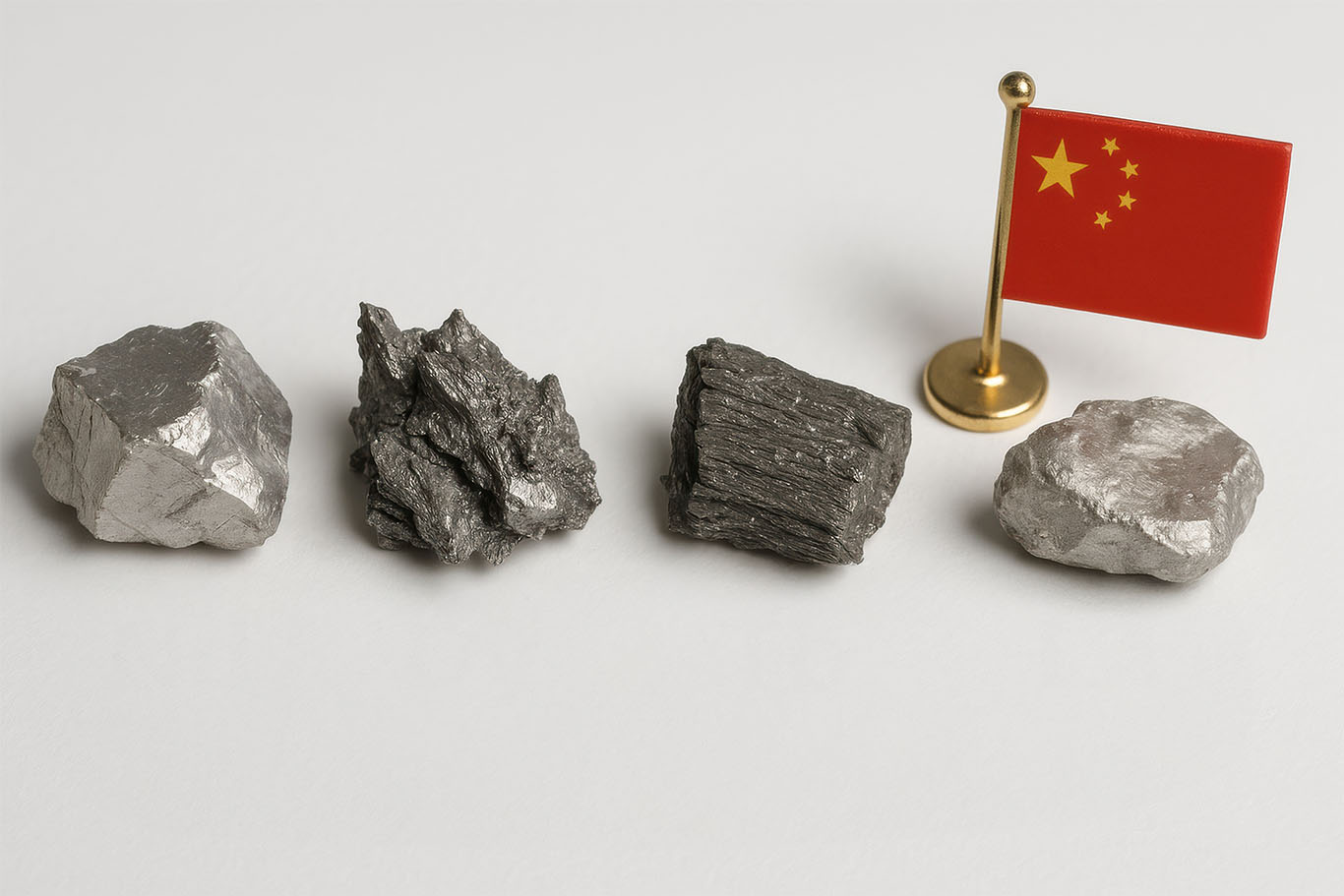
Rare earths have long been a strategic leverage for China over the US and Europe, due to their role in electric vehicles, renewable energy, and advanced technologies.
Meanwhile, while the West has largely focused on climate change policies and commitments, China has aggressively expanded its rare earth production and processing capacity, securing a dominant position in the global market.
The US lags decades behind China. It produces about 13% of global raw ores, while China controls 70% of mining and over 90% of refining, separation, and magnet manufacturing.
Analysts say it may take the US at least 10 years to achieve supply independence.
Africa Remains a Strategic Alternative for China
Despite challenges elsewhere, Africa continues to be China’s key strategic option for rare earths.
A 2025 geological assessment estimates the continent holds 1,956,000 tonnes of rare earth oxide (REO) reserves, with advanced resources exceeding 10,144,000 tonnes across at least a dozen countries.
Tanzania alone accounts for 887,000 tonnes of REO reserves and 3.3 million tonnes of advanced resources, while numerous other sites remain largely unexplored.
The latest Tanzanian discovery strengthens a growing network of African projects at various stages of development.
Angola’s Ozango project is advancing production, Malawi’s Songwe Hills deposit is nearing commercialisation, and South Africa’s Steenkampskraal and Zandkopsdrift sites host some of the continent’s most established rare earth reserves.
Exploration is also progressing in Kenya, Namibia, and Botswana, where early drilling has revealed prospects containing a broad suite of rare earth minerals, including all 17 critical elements, alongside other battery metals capable of supporting future processing facilities.