Sammi’s Experience at the Shop is a Lesson for Every One of Us
Shopping independently was an act of courage for Sammi. When a cashier’s impatience left her in tears, her husband – international autism advocate Dr Emile Gouws – turned it into... The post Sammi’s Experience at the Shop is a Lesson for Every One of Us appeared first on Good Things Guy.
 Black News
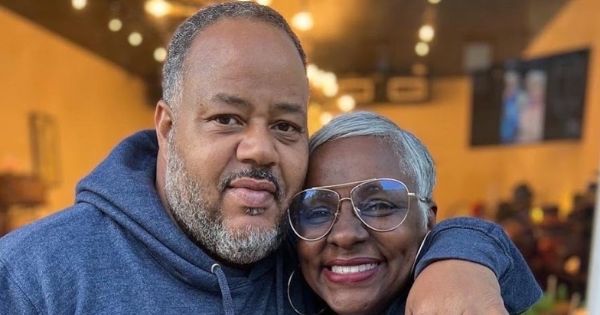
Shopping independently was an act of courage for Sammi. When a cashier’s impatience left her in tears, her husband – international autism advocate Dr Emile Gouws – turned it into a teachable moment for South Africa to understand what it really means to include everyone.
Johannesburg, South Africa (21 May 2026) – Sammi Gouws is autistic, semi-verbal, and alexic, and like many neurodivergent individuals, she and her husband, Dr Emile Gouws, plan their outings with great care.
“As an autistic couple, we carefully choose quieter and more structured environments because sensory overload, unpredictability, and public interactions can become overwhelming very quickly,” Dr Gouws says.
Unfamiliar or unpredictable environments can trigger sensory overload. Essentially, this means that the brain struggles to filter and process overwhelming sights, sounds, and social demands.
That is why what may seem a simple choice to many – like choosing where to go and when – is an important consideration that often needs to be made by neurodivergent individuals.
A popular grocery store in Johannesburg had earned its place on Emile and Sammi’s shortlist of trusted spaces.
“Despite the challenges she experiences with communication and processing information, [Sammi] has worked incredibly hard over the years to build confidence and independence in public spaces. Yesterday, she decided to do the shopping independently – something that might seem small to many people, but for neurodivergent individuals often represents tremendous courage and growth,” shares Dr Gouws.
And so, Sammi made the courageous decision to do the shopping on her own.
“We went to the under-10-items till as we usually do. Sammi handed the basket to the cashier and waited quietly. The cashier immediately responded impatiently and aggressively,” says Dr Gouws.“‘No, this is not how it works here. You must take the items out of the basket,’” he recounts the cashier saying.
When Sammi froze, the cashier repeated herself, this time louder and with visible frustration, rolling her eyes. A nearby staff member laughed. Dr Gouws stepped in calmly and explained, more than once, that his wife is autistic and alexic and asked that the cashier please be patient with her.
“The cashier repeatedly responded with ‘What?’ in what felt like a sarcastic and dismissive manner, leaning forward challengingly and continuing to show irritation…” he says. “As someone who has spent his life advocating for neurodivergent individuals and invisible disabilities, I found the interaction deeply upsetting – especially because I watched my wife’s confidence disappear in front of me.”
When they returned to the car, Sammi cried.
“Why do they do this to me?” she asked. “Am I not allowed to come here anymore?”
“That moment broke my heart,” says Dr Gouws.
What the world sees as a small and forgettable exchange can, for a neurodivergent individual, become something they carry for a very long time. The humiliation of being laughed at, the confusion of being misunderstood, the loss of a space that once felt safe, and sadly, the erosion of the confidence that took years of effort to build.
“Many people do not realise how deeply experiences like this affect neurodivergent individuals emotionally. Moments that society may see as ‘small’ can become emotionally devastating and reinforce feelings of exclusion, humiliation, fear, and not belonging.”
While Sammi was still in tears at home, Dr Gouws’s mother contacted the store manager, and they then returned to the store to address the situation directly. Rather than being met with defensiveness that so often follows these kinds of confrontations, the staff showed a willingness to listen and to learn.
“To the credit of the management team at [the store], they handled the situation with sincerity, empathy, accountability, and a willingness to learn. We sat down with the store manager and various department managers and had an open discussion around autism, neurodivergence, invisible disabilities, sensory challenges, reasonable accommodation, and why patience and understanding matter so deeply.”
At some point during that conversation, the cashier involved began to understand the impact of what had actually happened. She realised the incredible courage Sammi had shown, and how she had, in an instant, shot it down. She may not have meant to, but that is why autism and neurodiversity awareness matter so deeply in public spaces.
“What was especially powerful was that the discussion shifted from confrontation towards education and humanity. The staff member involved eventually became emotional and started crying herself as she began understanding the impact of the interaction.”
The shop’s management acknowledged that their staff had not received sufficient autism or neurodiversity awareness training, apologised sincerely, and expressed an honest commitment to doing better.

Dr Gouws is going to help them create a more neuro-affirming, inclusive, and accessible environment. That includes staff training, sensory-aware customer interactions, and dedicated support systems for those who need a little more time, patience, or accommodation.
The store has also committed to signing up to the National Autism Strategy process for South Africa, a landmark initiative recently launched by Dr Gouws and his team.
Countries like Australia, the United Kingdom, Canada, New Zealand, and the United States already have national frameworks in place to coordinate support for neurodivergent individuals and families, and South Africa urgently needs the same kind of structured, compassionate response
The first phase is now open, and it needs as many voices as possible. It’s for anyone who believes in a more inclusive South Africa. You can contribute your voice here.
“For me, this story is important because it reflects both the painful reality many neurodivergent South Africans still face daily, but also the possibility of transformation when organisations choose empathy, accountability, and education over defensiveness,” says Dr Gouws.
Sources: Dr Emile Gouws.
Don’t ever miss the Good Things. Download the Good Things Guy App now on Apple or Google.
Do you have something to add to this story? Please share it in the comments or follow GoodThingsGuy on Facebook and Twitter to keep up to date with good news as it happens, or share your good news with us by clicking here or click the link below to listen to the Good Things Guy Podcast with Brent Lindeque – South Africa’s very own Good Things Guy. He’s on a mission to change what the world pays attention to, and he truly believes there’s good news around us. In the Good Things Guy podcast, you’ll meet these everyday heroes and hear their incredible stories:
Or catch an episode of Good Things with Brent Lindeque or our Weekly Top 5 below. The videos here are always changing, updated with the latest episodes from these two shows. Both are part of Good Things TV, created to bring South Africans balance at a time when the news can feel overwhelmingly negative. Our goal is simple: to remind you that there are still so many good things happening in our country – and to leave you feeling a little more proudly South African.
The post Sammi’s Experience at the Shop is a Lesson for Every One of Us appeared first on Good Things Guy.