Chinese-backed platinum miner resumes JSE trading as nearly 500 jobs hang in the balance
Wesizwe Platinum has resumed trading on the Johannesburg Stock Exchange (JSE) after a year-long suspension, but the return to the market comes as the Chinese-backed miner pushes ahead with a restructuring plan that could affect nearly 500 workers and reshape the future of its flagship Bakubung mine.
 Black News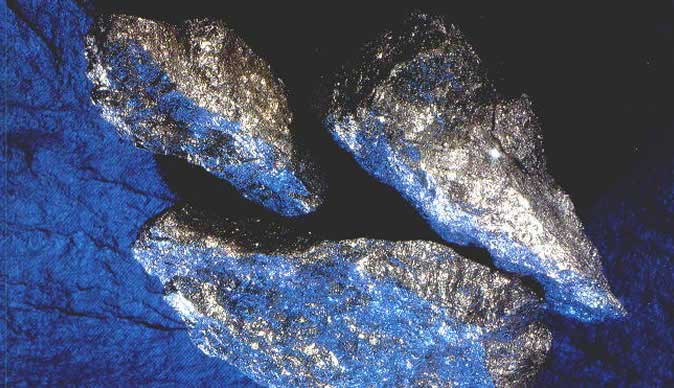
Wesizwe Platinum has resumed trading on the Johannesburg Stock Exchange (JSE) after a year-long suspension, but the return to the market comes as the Chinese-backed miner pushes ahead with a restructuring plan that could affect nearly 500 workers and reshape the future of its flagship Bakubung mine.
- Wesizwe Platinum has resumed trading on the JSE after a year-long suspension over delayed financial statements.
- The reinstatement comes as the Chinese-backed miner begins a restructuring process that could affect 497 employees.
- The company has abandoned its previous 1-million-tonne-per-year production strategy at the Bakubung mine.
- Investors are now focused on whether the revised plan can finally deliver stable production and profitability.
The JSE lifted the suspension with immediate effect on Thursday, allowing shareholders to trade the company’s shares for the first time since June 2025.
The suspension was imposed after Wesizwe failed to publish its audited annual financial statements for the 2024 financial year within the timeframe required under JSE listing rules.
The company has since published its delayed financial statements and integrated annual report, paving the way for the reinstatement of trading.
“The board would like to thank shareholders for their patience and continued support throughout the period of suspension,” Wesizwe said in a statement.
Trading resumes amid restructuring
The return to trading comes at a critical moment for the miner.
Just days before the suspension was lifted, Wesizwe announced plans to restructure operations at its Bakubung platinum mine in South Africa’s North West province, a move that could affect about 497 employees.
Bakubung Minerals, a subsidiary of Wesizwe, said it would begin consultations with organised labour and other stakeholders under Section 189A of South Africa’s Labour Relations Act following a board decision to discontinue the mine’s 1-million-tonne-per-annum production strategy with immediate effect.
The restructuring underscores the challenges facing a project that has spent years trying to move from development into stable commercial production.
For investors, the resumption of trading offers the first opportunity in more than a year to reassess the prospects of a mine that has absorbed billions of rand in investment but continues to grapple with operational and cost pressures.
A long road to production
Bakubung is one of South Africa’s largest new platinum projects and forms part of the mineral-rich Bushveld Complex, home to some of the world’s largest platinum group metal reserves.
Construction of the mine began in 2011 and it was originally expected to reach full production in 2020.
Those plans were disrupted by the Covid-19 pandemic, technical challenges at the processing plant and community protests, resulting in years of delays and rising costs.
The company also faced a cybersecurity incident in 2024 that affected several corporate functions, including finance, procurement, legal and human resources operations.
China’s bet on South African platinum
Wesizwe is controlled by a Chinese consortium comprising Jinchuan Group and the China-Africa Development Fund.
Jinchuan, one of China’s largest state-owned mining companies, is a major global producer of nickel and cobalt with investments spanning copper and platinum group metals.
The investment was once viewed as a landmark example of growing Chinese participation in South Africa’s mining sector and a strategic bet on long-term demand for platinum group metals.
However, the latest restructuring highlights the operational and financial hurdles that continue to confront large-scale mining projects despite substantial shareholder backing.
While the lifting of the suspension removes a major regulatory obstacle for Wesizwe, investors will now be watching closely to see whether the company’s revised strategy can finally place Bakubung on a sustainable path to production and profitability.