‘Chosen family’ strengthens Black LGBTQ+ community in the nation’s capital
By Morgan CarpenterAFRO Internmcarpenter@afro.com For many LGBTQ+ people, family is not always defined by blood relations. Instead, it is built through community, trust and mutual support. The concept of chosen family has long been central to LGBTQ+ culture, particularly for people who have experienced rejection from biological relatives or institutions. Community advocates say these networks […] The post ‘Chosen family’ strengthens Black LGBTQ+ community in the nation’s capital appeared first on AFRO American Newspapers.
 Black News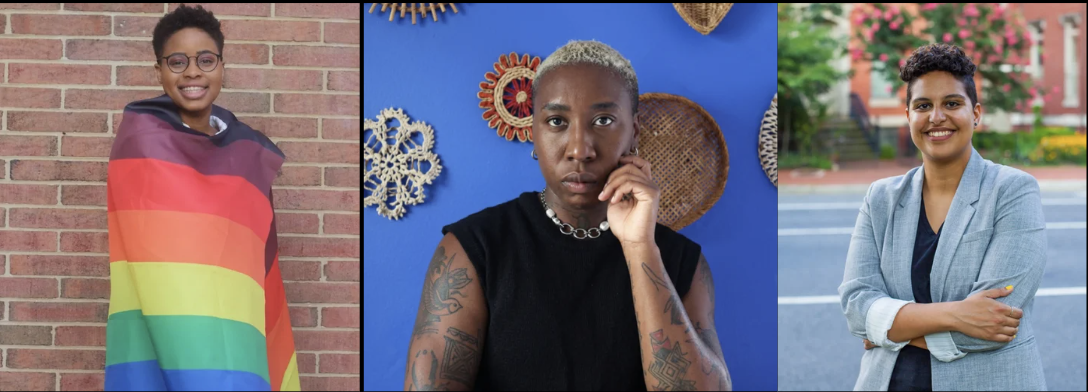

By Morgan Carpenter
AFRO Intern
mcarpenter@afro.com
For many LGBTQ+ people, family is not always defined by blood relations. Instead, it is built through community, trust and mutual support.
The concept of chosen family has long been central to LGBTQ+ culture, particularly for people who have experienced rejection from biological relatives or institutions. Community advocates say these networks provide far more than emergency assistance, they offer emotional support, mentorship, affirmation and a sense of belonging.
As LGBTQ+ youth, seniors and unhoused individuals navigate challenges ranging from housing insecurity to family rejection, informal support systems known as chosen families continue to serve as a lifeline. In Washington, D.C., a city with one of the largest LGBTQ+ populations in the country, grassroots organizations and community networks are filling gaps left by traditional institutions, creating spaces of belonging, resilience and care.
According to research done by the Movement Advancement Project, approximately 84,300 LGBTQ+ people ages 13 and older live in Washington, D.C. About 14.3 percent of adults identify as LGBTQ+, and roughly 9 percent of LGBTQ+ adults are raising children in the District.
Researchers say chosen family often represents a deeper level of connection than friendship alone.
“Chosen families are defined by the strength of the connection people feel to each other,” said Cole Milton, a researcher at Oklahoma State University, in an interview with The New York Times. “It’s different from a group of acquaintances, or even really good friends. It’s something deeper.”
Across Washington, D.C., LGBTQ+ advocates say building community remains one of the most important ways to support queer residents.

Credit: Photo courtesy of Alexis Grady
One such advocate is Alexis Grady (they/them), a queer nonbinary activist whose chosen family grew out of their community at Howard University. Through campus advocacy, Grady worked to create greater support and visibility for LGBTQ+ students while finding community among fellow activists.
Grady said their chosen family has been built through the Howard community, where friends and fellow advocates have celebrated their accomplishments and supported their work.
For Louise Gant (she/her), a queer activist, finding a chosen family meant intentionally seeking out other Black LGBTQ+ people after moving to Washington.
“I started trying to find my own community. And by that time, I identified as lesbian and I was looking for a Black lesbian community, or a Black gay community,” she said.
“I found the DC Coalition of Black Lesbians and Gay Men… that community was very accepting, very welcoming,” she said. “There were some people who I had met through the Coalition that I consider role models and mentors. You picked your own family.”

Credit: Photo courtesy of Loveis Wise
For Loveis Wise (they/he), a 29-year-old Black nonbinary transmasculine multidisciplinary artist, finding a chosen family of trans, queer and gender-expansive creatives around the world created “the emotional safety of recognizing that we can be more than one fixed way of being ourselves,” Wise said.
While chosen families are often built through personal relationships, advocates say communities also need meaningful institutional support.
Rehana Mohammed (she/her), a member of the board of directors for the D.C. LGBTQ Community Center, said community support must go beyond symbolic gestures.

Credit: Photo courtesy of Rehana Mohammed
“One of the big issues that I see is performative allyship,” Mohammed said. “We need to be asking more from our allies… I want to know what actions you’re taking. I want to know how you are actively dismantling the systems that oppress us.”
Dr. David J. Johns, CEO and executive director of the National Black Justice Collective, said in a press release that building community is especially important during a time of increasing attacks on marginalized groups.
“In this moment of escalating attacks on Black history, LGBTQ+/SGL people, education and democracy itself, gathering together in truth, culture and collective power is both necessary and transformative.”
As Washington’s LGBTQ+ community continues to evolve, chosen family remains a powerful reminder that support often comes from the people who choose to show up for one another–not blood relation.
For thousands across the District, those relationships are more than friendships, they are a source of survival, resilience and home.
The post ‘Chosen family’ strengthens Black LGBTQ+ community in the nation’s capital appeared first on AFRO American Newspapers.