DR Congo’s top cobalt miners risk losing export quotas over government system glitch
Some of the world’s largest cobalt producers are racing to avoid losing their export quotas in the Democratic Republic of Congo after a government administrative failure prevented companies from processing shipments ahead of a key regulatory deadline.
 Black News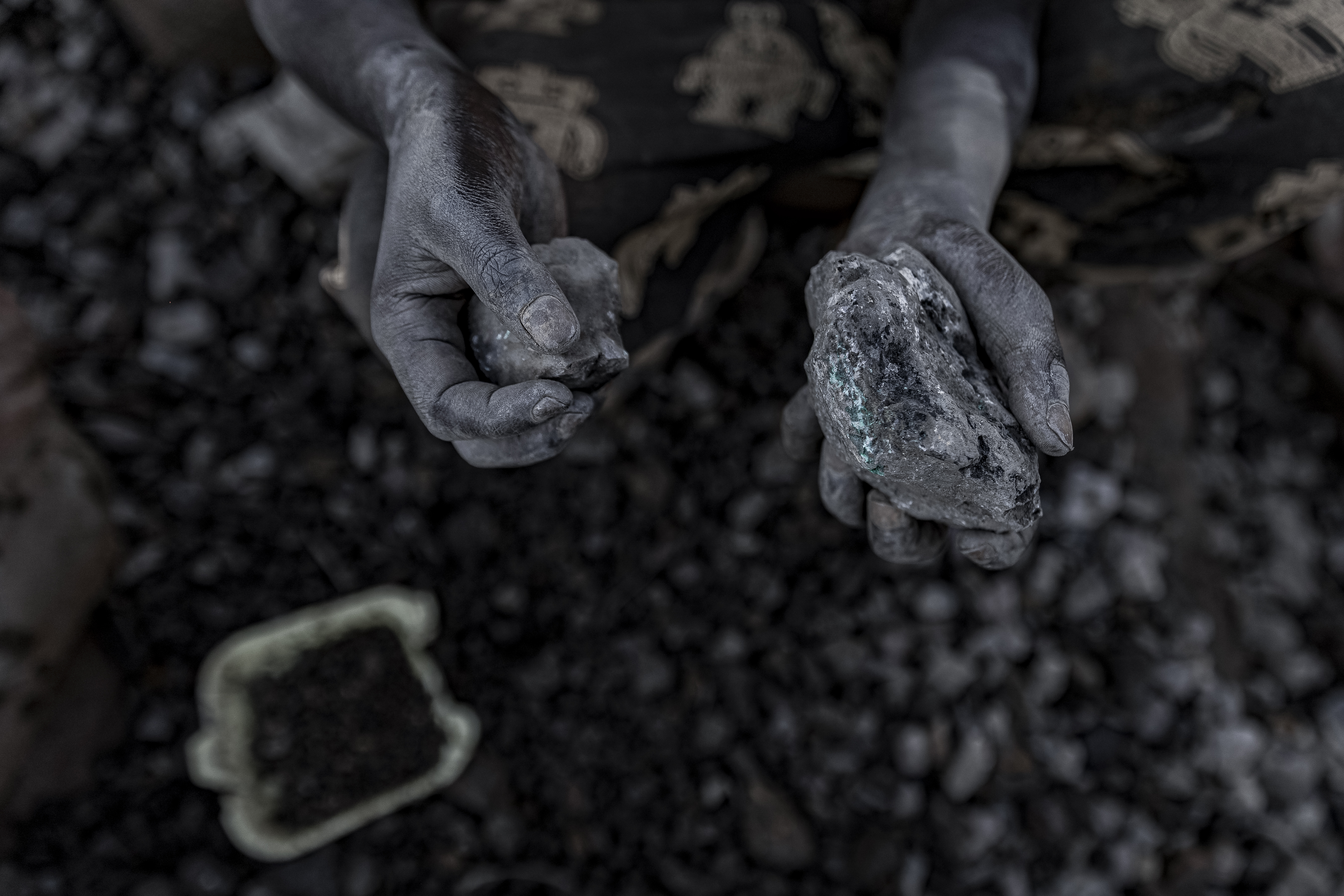
![Copper And Cobalt Mining In Kolwezi, Democratic Republic Of The Congo. [Photo by Michel Lunanga/Getty Images]](https://ocdn.eu/pulscms/MDA_/105751d0ba0934eec3ce2bc134aad6e9.jpg)
Some of the world’s largest cobalt producers are racing to avoid losing their export quotas in the Democratic Republic of Congo after a government administrative failure prevented companies from processing shipments ahead of a key regulatory deadline.
- Major cobalt producers in the Democratic Republic of Congo, including Glencore and CMOC, fear losing export quotas after a government system failure disrupted customs processing.
- The disruption threatens up to 20,000 metric tons of cobalt exports worth about $1.1 billion.
- Mining companies are seeking an extension to the July 5 deadline, saying the delays were caused by administrative failures beyond their control.
- The setback raises fresh questions about the implementation of Congo’s new cobalt export regime, which has become increasingly important to global battery supply chains.
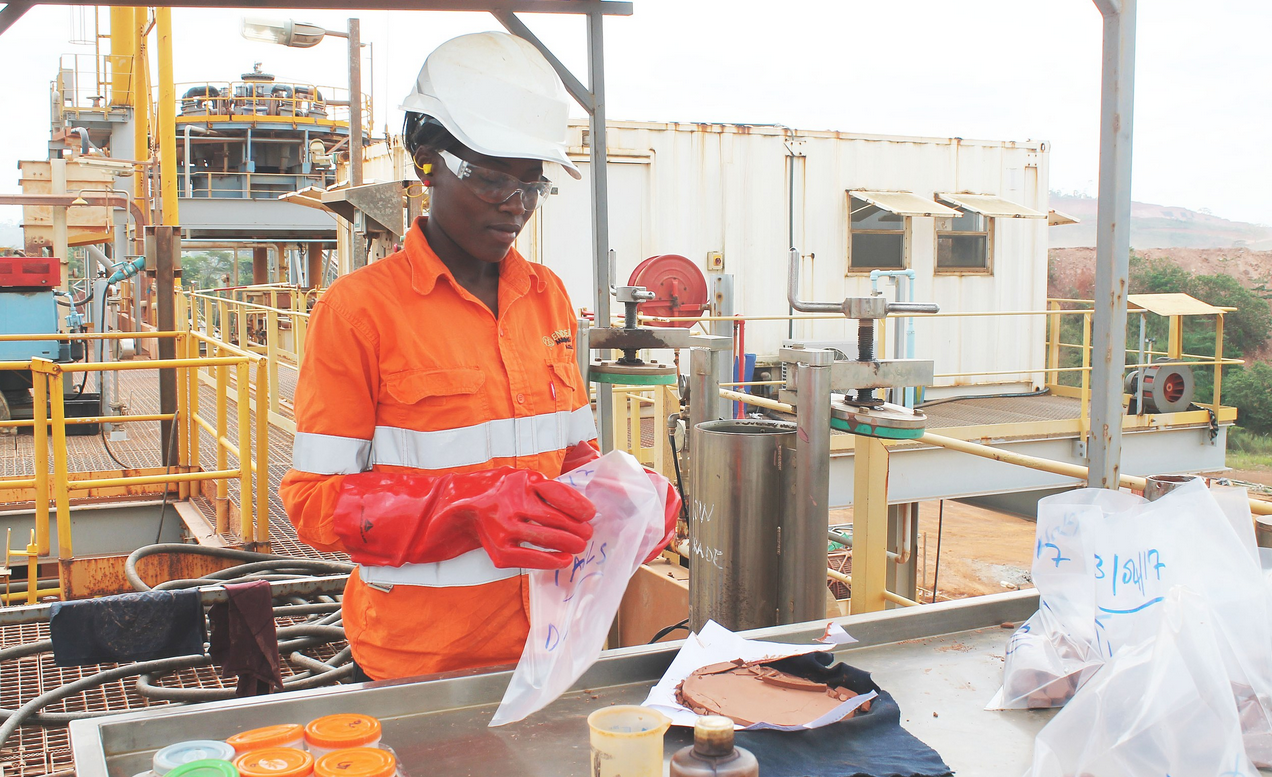
Mining companies, including China’s CMOC, Glencore, Eurasian Resources Group (ERG) and Huayou Cobalt, say they have been unable to register export declarations because of a disruption affecting the country’s customs platform, according to industry officials and a letter reviewed by Reuters.
If the issue is not resolved quickly, producers could lose as much as 20,000 metric tons of export allocations worth an estimated $1.1 billion at current cobalt prices, even though industry executives say the delays were caused by government administrative procedures rather than the companies themselves.
DON'T MISS THIS: Africa’s biggest cobalt producer tightens grip on global supply with tougher export quota rules
The development marks the first major operational challenge for Congo’s recently introduced cobalt export quota system and comes as the country seeks tighter control over the global supply of one of the world’s most important battery minerals.
Miners seek more time
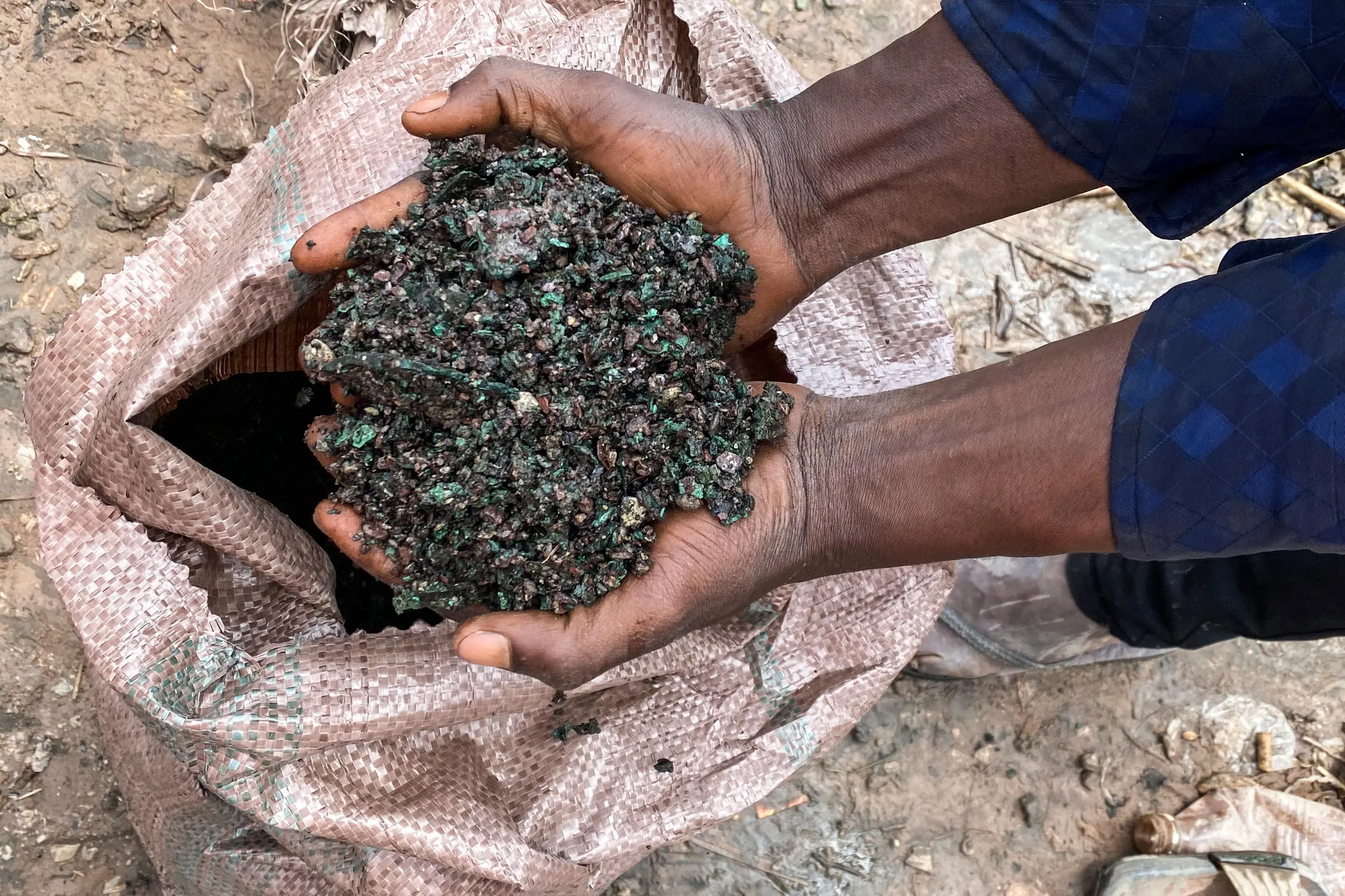
Under new regulations introduced by the Authority for the Regulation and Control of Strategic Mineral Substances’ Markets (ARECOMS), exporters have until July 5 to utilise their first-half export quotas before any unused volumes are withdrawn and reallocated.
However, according to a July 2 letter from the Chamber of Mines to ARECOMS, mining companies have been unable to submit export declarations since July 1 because customs authorities have not received formal authorisation from the regulator to continue processing quota-controlled exports.
One mining executive told Reuters that between 60% and 75% of producers are unlikely to meet the deadline because of the administrative disruption.
DON'T MISS THIS: World’s top cobalt producer, DRC, halts exports amid market turmoil
The executive said mining companies have asked ARECOMS to extend the deadline and have also appealed to Prime Minister Judith Suminwa Tuluka to intervene.
A source familiar with CMOC’s operations told the news wire the company had requested a one-month extension, warning that without additional time it could lose almost all of its second-quarter export quota.
Why the quotas matter
The latest disruption comes just weeks after Congo moved from an export suspension to a quota-based system designed to manage global cobalt supply and stabilise prices.
The government has capped annual cobalt exports at 96,600 metric tons for both 2026 and 2027, giving Kinshasa unprecedented influence over a market in which the country accounts for around 70% of global mined cobalt.
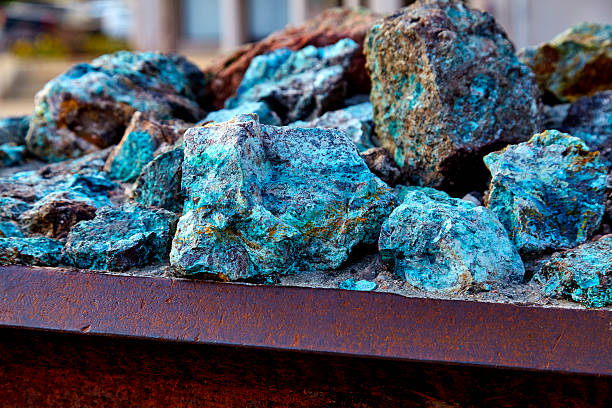
The policy followed a prolonged slump in cobalt prices caused by oversupply. Since Congo began restricting exports, prices have rebounded sharply, rising about 160% from their lows to around $26 per pound ($57,320 per metric ton).
Authorities say the strategy is intended to reduce price volatility, strengthen government oversight of the sector and maximise returns from one of the country’s most valuable natural resources.
DON'T MISS THIS: Congo suspends cobalt exports for four months. Here’s why
Global implications
While the current dispute centres on administrative procedures, analysts say prolonged delays could have wider implications for global supply chains.
Cobalt remains a critical raw material for lithium-ion batteries used in electric vehicles, grid-scale energy storage systems and consumer electronics, even as manufacturers work to reduce their reliance on the metal.
Because Congo dominates global cobalt production, disruptions affecting exports are closely watched by battery manufacturers, commodity traders and automakers.
The latest setback also highlights one of the biggest challenges facing governments seeking greater control over critical mineral markets: ensuring that tighter regulation does not inadvertently disrupt exports or undermine investor confidence.
If the July 5 deadline is not extended, some of the world’s biggest mining companies could lose export allocations not because they failed to ship cobalt, but because a government system prevented them from doing so, a scenario that could test confidence in Congo’s new export regime even as it seeks to reshape the global cobalt market.