Economic Warfare? Black Women Entrepreneurs Navigate Trump-Era Economic Turbulence With High-Stakes Setbacks
Black women like Pinky Cole and Fawn Weaver are rising in entrepreneurship, but economic instability under the Trump administration is creating major challenges for growth and expansion. The post Economic Warfare? Black Women Entrepreneurs Navigate Trump-Era Economic Turbulence With High-Stakes Setbacks appeared first on MadameNoire.
 Black News
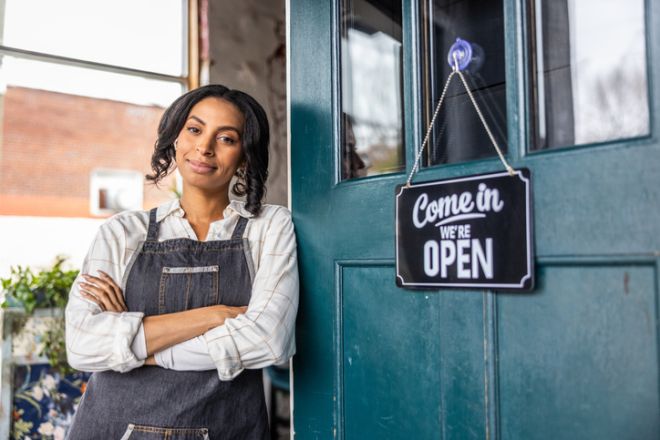
Black women continue to rise in entrepreneurship, but that success often comes with steep challenges, especially in a fragile economic climate. The current conditions under the Trump administration have created instability that is impacting the growth and sustainability of many ventures led by Black women. We’re seeing that play out in real time with Slutty Vegan founder Pinky Cole and Uncle Nearest Premium Whiskey founder Fawn Weaver, both of whom are boldly restructuring their businesses to protect their legacies while pushing back against negative headlines and public scrutiny.
Today’s economy presents serious hurdles for business owners. Unemployment remains a concern, with February’s jobs report placing the overall rate at 4.4%, while Black Americans face a significantly higher rate of 7.7%. At the same time, inflation continues to drive up operating costs. Persistent price increases, rising labor expenses, and ongoing supply chain issues have made it harder for businesses to maintain profitability. In fact, about 46% of small business owners cite inflation as a top concern, often forcing them to raise prices while navigating tighter margins.
RELATED CONTENT: Bankrupt But Unbothered? ‘RHOA’ Newbie Pinky Cole Laughs Off Slutty Vegan Debt Rumors —‘Damn, That’s Crazyyyy’
Pinky Cole’s legal battle explained.
During a March 31 appearance on The Breakfast Club, Pinky Cole opened up about the challenges that followed her rapid expansion of Slutty Vegan to 14 locations by 2022, at the height of the pandemic. That growth ultimately contributed to financial strain and a complex legal situation that saw her relinquish ownership of the company in February 2025, only to regain control just 43 days later.
As reported by BOSSIP, in March, she filed for Chapter 11 bankruptcy protection in Georgia to restructure more than $1.3 million in debt, including approximately $1.2 million owed to the U.S. Small Business Administration and nearly $192,000 to the Georgia Department of Revenue.
Reflecting on what went wrong, Cole explained that scaling too quickly, combined with inflation and soaring operational and overhead costs, put immense pressure on the business.
“The problem is that when you grow that fast, sometimes you put basketball players on the golf course. You understand what I’m saying? So, you got people that do an incredible job in their skill set, but then you position them somewhere else and they can’t do what you need to do to take you where you need to go.”
To address the situation, Cole utilized an Assignment for the Benefit of Creditors (ABC), a process that allows a company to transfer its assets to a third party to liquidate and repay debts more efficiently than traditional bankruptcy proceedings.
“I did not own the company for 43 days. And the estate that took the company, they took the assets and they took the debt so that they can sell off the asset so that they can pay off the debt. And then they sell the business to somebody who wants to buy it,” she explained.
After regaining ownership, Cole faced additional challenges as creditors from the previous entity pursued legal action against her. The situation escalated when a creditor, Guardian Asset Management, seized her rental property and changed the locks, despite her not owing money on it. Cole believes the issue stemmed from the property being vacant for an extended period.
She ultimately prevailed in court. On March 26, a federal bankruptcy judge ruled in her favor after the creditor failed to appear, ordering the property returned and requiring the creditor to cover her legal fees.
“We’re taking some further action because that’s really some real reputational damage on somebody when you assuming that they lost they house. This is an investment property.”
She added, “It’s a learning lesson for me because I learn how this process works. But victory will prevail and I’m vindicated because… give me my stuff back.”
For Black women, entrepreneurship can be difficult.
For Black women, the path to entrepreneurship can be especially difficult. Despite being the fastest-growing group of entrepreneurs in the United States, with Black women-owned businesses increasing by 13% between 2024 and 2025, they often face limited access to capital and legal resources.
Still, many continue to push forward, driven by resilience and the desire for autonomy and generational wealth amid today’s uncertain and unfair job market. Pinky Cole’s journey reflects that determination, having transitioned from a television producer on The Maury Show to a full-time entrepreneur in 2014.
That same resilience can be seen in Fawn Weaver, founder of Uncle Nearest Premium Whiskey, who is also navigating legal and financial battles while protecting her company’s future.
The post Economic Warfare? Black Women Entrepreneurs Navigate Trump-Era Economic Turbulence With High-Stakes Setbacks appeared first on MadameNoire.