Egypt buys record amount of local wheat as government pays above-market prices to curb imports
Egypt’s decision to pay farmers well above global wheat prices is beginning to deliver results, with government purchases of locally produced wheat reaching a record high as authorities seek to reduce the country’s dependence on imports.
 Black News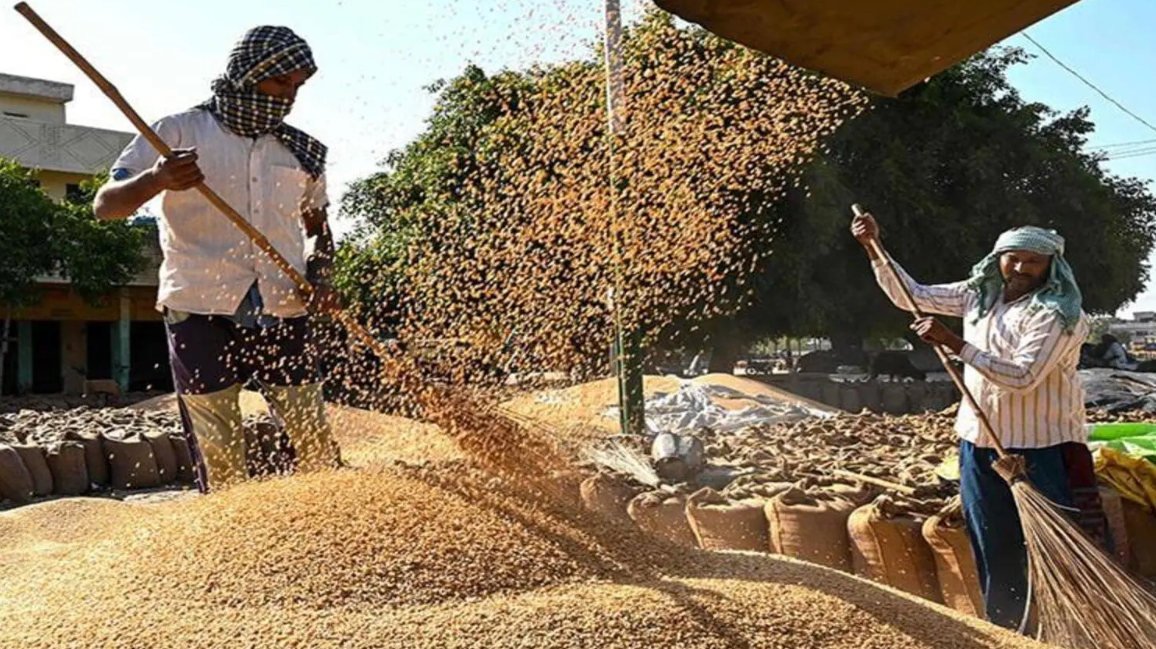

Egypt’s decision to pay farmers well above global wheat prices is beginning to deliver results, with government purchases of locally produced wheat reaching a record high as authorities seek to reduce the country’s dependence on imports.
- Egypt has bought a record 4.6 million tonnes of wheat from local farmers this season.
- The government is on track to reach its 5 million-ton procurement target before mid-August.
- Higher state purchase prices encouraged farmers to expand planting and increase deliveries.
- The strategy could help Egypt reduce its reliance on imported wheat and ease pressure on foreign currency demand.
The government has already bought 4.6 million metric tonnes of wheat this season, according to official figures, putting it on track to achieve its target of 5 million tonnes before the procurement season ends in mid-August.
The figure has already surpassed last season’s total purchases of about 3.9 million tonnes.
Prime Minister Mostafa Madbouly described the procurement level as an all-time high, highlighting what appears to be a successful effort to boost domestic grain production in one of the world’s largest wheat-importing nations.
Paying more to buy local
The record purchases follow a series of government measures aimed at encouraging farmers to plant more wheat and sell directly to state buyers.
Egypt raised the price it would pay farmers for wheat deliveries for the 2026 season and increased it again shortly before the harvest began.
The final procurement price reached roughly $320 per tonne, significantly above prevailing international wheat prices.
Black Sea wheat was trading at about $234 to $240 per tonne on Thursday.
The premium helped make wheat one of the most attractive crops for Egyptian farmers this season.
“It was a very attractive price and encouraged a record planted area,” farmer Hussein Abu Saddam told Reuters.
Grain trader Hesham Soliman said the higher price also reduced incentives for farmers to sell wheat to private traders or divert it to animal feed markets.
Record planting boosts supply
The higher prices encouraged farmers to expand cultivation, helping Egypt achieve its largest wheat planting area on record.
Ahmad Idam, head of the services sector at Egypt’s agriculture ministry, told Reuters that wheat cultivation expanded to about 3.7 million feddans this season, up from approximately 3.1 million feddans a year earlier.
Improved seed varieties and favourable weather conditions also contributed to stronger yields.
The increase in production comes as Egypt seeks to strengthen food security while reducing pressure on foreign currency reserves.
The country typically imports around 10 million tonnes of wheat annually, with roughly half purchased by the government to support its bread subsidy programme that serves around 70 million people.
By increasing local procurement, authorities can reduce exposure to volatile international grain markets and potentially lower future import needs.
Military-linked agency plays growing role
One of the largest contributors to this season’s procurement drive has been the Future of Egypt for Sustainable Development agency, a military-linked state body involved in desert land reclamation and agricultural expansion projects.
According to figures seen by Reuters, the agency had supplied roughly 530,000 tonnes of wheat by Thursday, compared with about 200,000 tonnes by the end of the previous season.
The increase highlights the growing role of large-scale state-backed farming projects in Egypt’s efforts to boost domestic food production.
An economist at Egypt’s Agricultural Research Center told Reuters that wheat productivity has been improving steadily over the past decade, aided by better farming practices and seed development.
Will Egypt import less wheat?
The strong procurement season has raised expectations that Egypt could scale back government wheat imports later this year.
Soliman told Reuters that larger domestic supplies and replenished reserves could significantly reduce import requirements during the second half of the year.
However, future demand may also depend on planned reforms to Egypt’s subsidy system.
The government has indicated it could begin transitioning from in-kind food subsidies to cash-based support as early as next month, although officials have yet to release detailed plans.
For now, the record procurement season suggests that Egypt’s strategy of paying more for locally grown wheat is yielding results, offering the country greater flexibility as it seeks to manage food costs, foreign currency pressures and supply risks in an uncertain global market.