Egypt, OECD complete first phase of country programme with 35 projects: Planning minister
Ahmed Rostom, Minister of Planning and Economic Development, delivered the opening remarks at the closing event of Egypt’s country programme with the Organisation for Economic Co-operation and Development (OECD), in the presence of Prime Minister Mostafa Madbouly, OECD Secretary-General Mathias Cormann, alongside ministers, ambassadors, and representatives of international institutions. Rostom described the programme as a […] The post Egypt, OECD complete first phase of country programme with 35 projects: Planning minister first appeared on Dailynewsegypt.
 Black News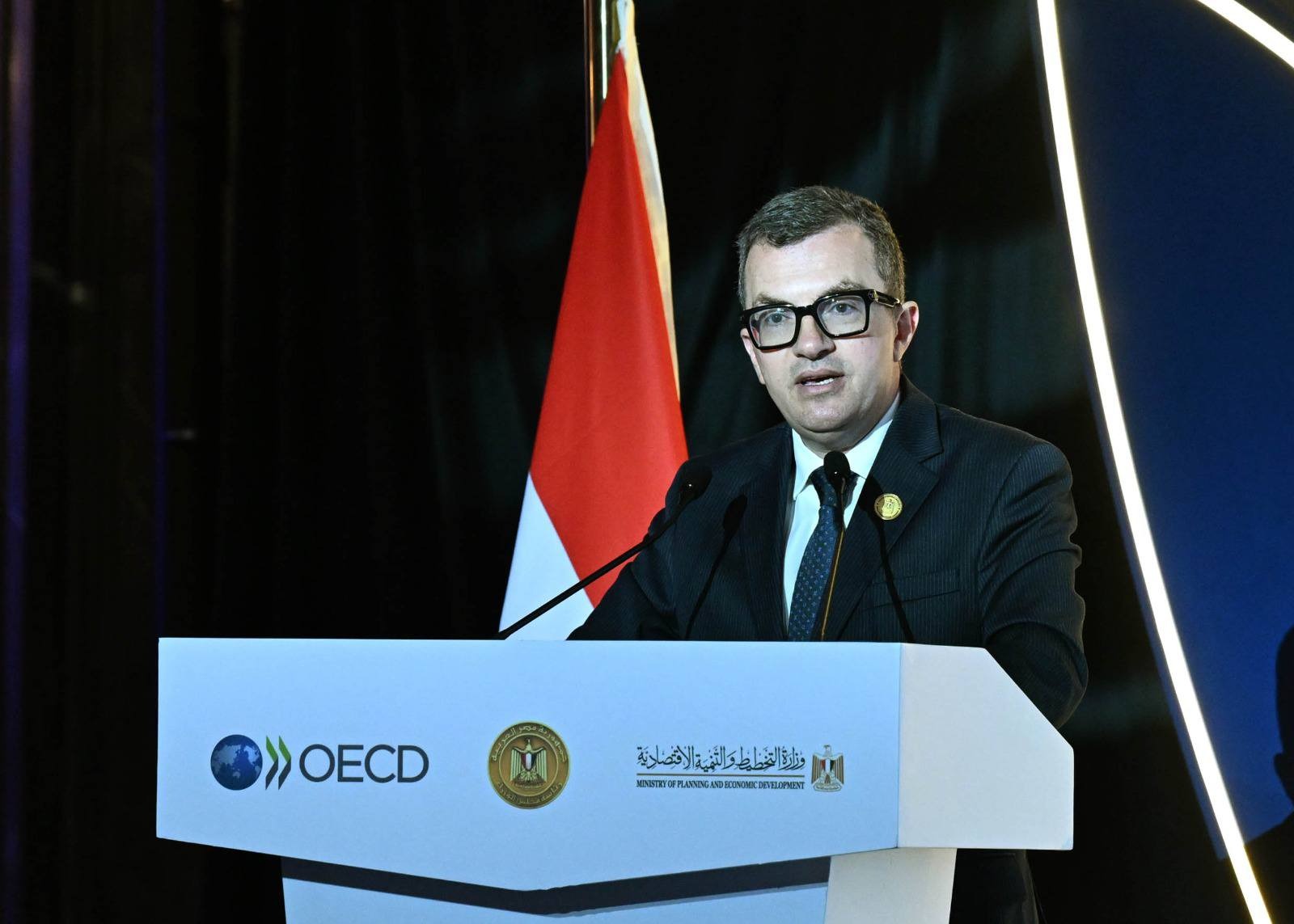
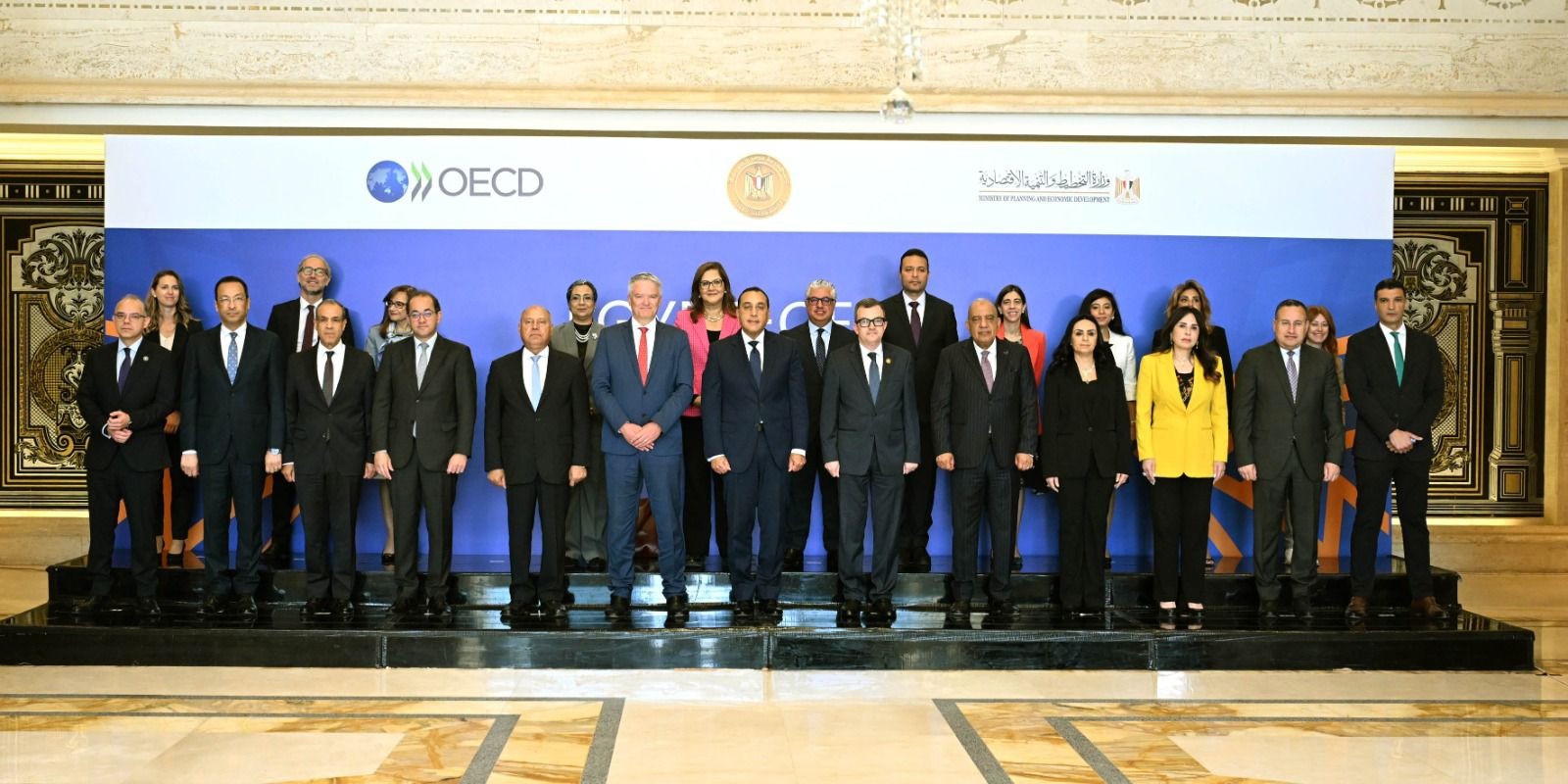
Ahmed Rostom, Minister of Planning and Economic Development, delivered the opening remarks at the closing event of Egypt’s country programme with the Organisation for Economic Co-operation and Development (OECD), in the presence of Prime Minister Mostafa Madbouly, OECD Secretary-General Mathias Cormann, alongside ministers, ambassadors, and representatives of international institutions.
Rostom described the programme as a key milestone in Egypt’s strategic cooperation with the OECD, highlighting its role in promoting knowledge exchange and strengthening evidence-based policymaking to support inclusive and sustainable economic growth.
He noted that Egypt’s partnership with the OECD dates back to 2005 and has since evolved into a strategic relationship, particularly following the signing of the country programme memorandum of understanding in October 2021. Egypt has also become an active participant in the OECD’s Middle East and North Africa Initiative on Governance and Competitiveness for Development for the 2026–2030 period.
According to Rostom, the programme has enhanced collaboration in capacity building, policy formulation, and Egypt’s engagement in OECD committees and specialised working groups. He added that the initiative was developed through a participatory approach involving national entities, with the Ministry of Planning and Economic Development leading coordination to ensure effective implementation and measurable outcomes.
Rostom said the Egyptian economy has shown resilience amid global challenges, supported by gradual improvements in performance indicators and a diversified real economy, particularly in the manufacturing sector.
Reviewing the first phase, he highlighted its contribution to advancing structural reforms, improving competitiveness, and embedding evidence-based policymaking within the framework of Egypt Vision 2030.
The first phase comprised 35 projects across five key pillars: inclusive and sustainable economic growth; technology, innovation and digital transformation; public governance and anti-corruption; statistics and monitoring; and sustainable development.
Under the first pillar, the programme supported structural reforms by integrating recommendations from OECD economic reviews into the national reform agenda, enhancing policy efficiency. It also contributed to improving the business environment by simplifying procedures, facilitating economic activity, and supporting policies for SMEs and entrepreneurship.
The second pillar focused on strengthening innovation and digital transformation policies to foster a knowledge-based economy, including technical support for the second phase of Egypt’s national artificial intelligence strategy.
Initiatives under the governance and anti-corruption pillar included technical assistance in developing a roadmap for programme- and performance-based budgeting. Meanwhile, the statistics pillar supported the modernisation of Egypt’s national statistical system in line with international best practices to reinforce evidence-based decision-making.
Within the sustainable development pillar, efforts included the preparation of a comprehensive environmental policy review and support for financing and investment mobilisation in clean energy projects.
Rostom added that the programme has helped align Egypt’s policies and legislation with OECD standards and tools. Programme reports assessed the country’s level of alignment, identified areas for improvement, and provided insights from peer countries, enabling the adoption of international best practices across priority sectors.
He also noted that Egypt is preparing to launch a series of reports covering key policy areas, including investment climate and business dynamics, food and agriculture, manufacturing productivity, women’s economic empowerment, infrastructure investment, ethical governance, innovation policy, clean energy financing, infrastructure governance, and public budget reform.
On evaluation, Rostom said the ministry conducted a comprehensive review of the first phase, confirming its tangible impact in strengthening institutional capacity, advancing evidence-based policymaking, and supporting macroeconomic reform, while enhancing Egypt’s access to OECD tools and data.
Looking ahead, he said Egypt is preparing for the programme’s second phase, with the ministry leading consultations with national stakeholders and the OECD to define priorities. The next phase will aim to deepen reform impact, sharpen focus areas, and enhance sustainability, while reinforcing Egypt’s regional role.
In closing, Rostom commended the partnership with the OECD, noting its contribution to advancing public policy development, strengthening economic reform efforts, and consolidating Egypt’s regional standing. He expressed hope for continued cooperation to support sustainable development, enhance economic resilience, and drive long-term prosperity.
The post Egypt, OECD complete first phase of country programme with 35 projects: Planning minister first appeared on Dailynewsegypt.