ePianoh Wants To Democratise Music Production
ePianoh is dedicated to sharing music production knowledge in a world that heralds gatekeeping. The post ePianoh Wants To Democratise Music Production appeared first on The NATIVE.
 Black News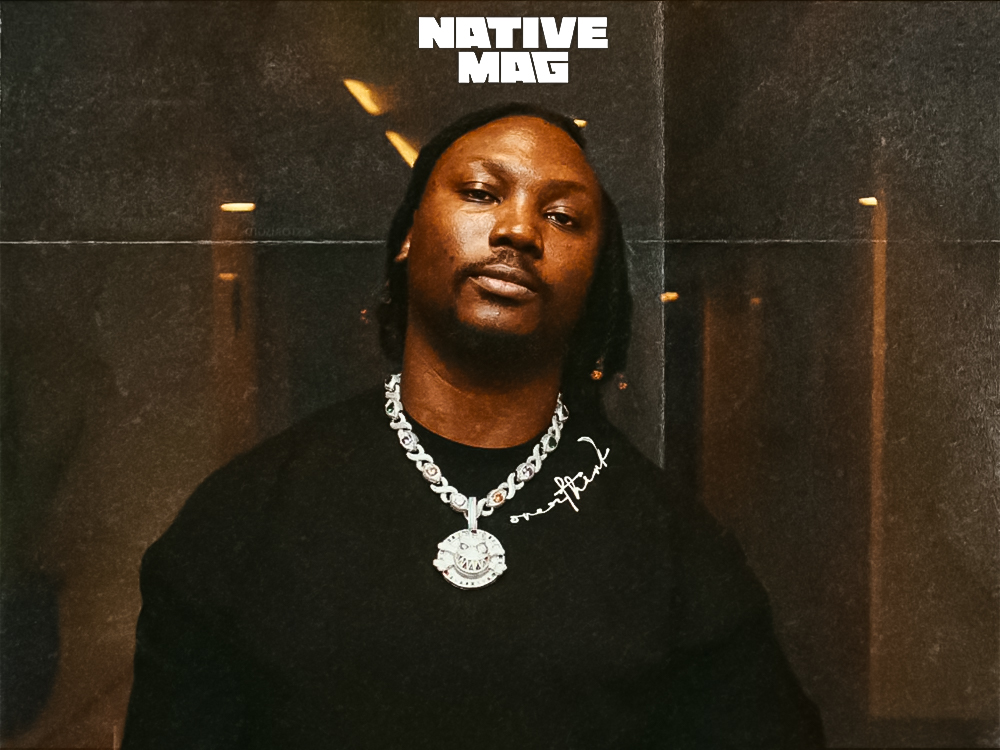
“ePianoh is a music producer that cannot be put in a box,” ePianoh, born David Tope Ogunremi, recites his mantra to me over the phone. Artists have generally phrased this statement differently over the years so much that it is slowly becoming a cliché. But a glance at the music producer’s profile will have you reciting his mantra like an adhan.
The right description of the Grammy award winner would be an “artist” as everything he does falls under this umbrella. He is a music producer who earned a Grammy as a Choir director for the best Reggae album in 2025, ‘Blxxd & Fire‘; a music creator—which deals with the song’s core ideas like lyrics, melody and structure while the former concerns itself with the technical—a teacher; a YouTuber with over three million subscribers; and a digital content creator. But before these pathways sprung up, what was consistent was his piano and a beating heart for music.
He started off playing piano at church which is how the name “ePianoh” was forged. Soon after, he graduated to playing music at live concerts. He had his piano and the love for music pulsating through his veins and thought that would be enough, but when he looked at his forebearers in the industry, what he felt was the distinct sting of dissatisfaction.. “I saw people who had played the piano for 30 or 50 years and that was all they did with their lives,” he says. “It also seemed like they were always at the mercy of other people. I didn’t want that to be my story.”
Instead of sitting idly with this dissatisfaction, it became a catalyst. In an attempt to wade in different waters than his predecessors, he began posting his piano sessions online. But, as a true student researching his field, he found that his colleagues were doing so much more than piano sessions. Their videos were much nicer and most importantly their audios were clearer. “I started asking how they did it? I began researching and eventually discovered that you can record your audio and video separately. I could record what I was playing on the piano directly onto my computer, export the audio file and then layer it over my video later in post-production.”
The discovery pushed him into a tinkering phase: What if I added a beat to this? What if I layered something on top of it? And that was exactly what he started doing. “I began adding elements to my piano playing and that’s basically how my production journey started,” he recalls fondly. And like a town crier, he began shouting this knowledge on the mountains and over the hills.
ePianoh’s digital creator career is built on his tutorials. Some of his most popular videos include How to Make Afrobeats like a Pro which has 67000 views and Mix Vocals Like a Pro With Only Stock Pluggins has racked up 71000 views. He is dedicated to democratising music production knowledge in a world that heralds gatekeeping. People gatekeep because exclusivity makes them feel special, but ePianoh finds it all puzzling, “Why do I have to keep all this knowledge to myself?” he asks, befuddled.
There is a fear that when this thing that makes them noteworthy is given up, they will become invincible. ePianoh chuckles at the thought, his bemusement is rooted in admirable self-assuredness. “There is a soul to my music you cannot create,” he states matter-of-factly.
The tinkering phase of his music production journey was not without hurdles. “There were so many things I would have loved to learn but whenever I went on YouTube, I would find videos with titles promising to teach exactly that,” he explains, “By the time I opened them and sat through a 20-minute video, it often felt like the creator was just beating around the bush to get views, without actually teaching what I had come for.”
As someone who had survived the seven plagues of learning craft on the internet, his philosophy is why put others through it?
“Access” is a word that echoes in his mind each time he makes a new tutorial video. “I want to make music production possible for people who may never enter into a professional studio,” he states, laying down his mission and vision. “The industry is designed to favour people who have already made it. I just want to help people achieve their goals faster than they think they could.”
This Ubuntu-esque way of thinking has graciously rewarded him with a thriving digital creator career. Many recognize him first as a content creator and it has shaped how he views himself as a music producer. A producer’s work is behind the scenes; you gyrate to the beats of the music they have engineered but it is the artist you remember. It is because of this that they are often thought of as the underdogs of the industry. But with the boom of the creator economy, everyone has a product. And while that has its disadvantages, ePianoh is one of the beneficiaries of this shift.
“Today, if someone hears my tag, they can immediately connect it to me,” he says. “They know who’s behind the music. That visibility matters because it helps you build your identity as a producer. It strengthens your influence and allows you to market yourself as a brand rather than spending your entire career marketing someone else’s product. At the end of the day, the song belongs to the artist. The question then becomes: what is your product?”
That visibility has also translated into recognition beyond the screen. His choir production on Keznamdi’s Grammy-winning project earned him his first Grammy, marking a turning point in a career that had already begun stretching beyond Nigeria’s borders. Since then, his repertoire has continued to deepen, with production credits including Young Jonn’s “Pot of Gold” and a growing slate of collaborations with artists at home and abroad. For ePianoh, however, the accolade is less a destination than proof that the path he has chosen was worth taking.
Like many artists, he has been thinking a lot about his legacy and that Ubuntu way of thinking shines through again. “I want to leave a legacy of helping people achieve their goals faster,” he admits. “I want to be remembered as someone who did not gatekeep knowledge but shared everything I knew so others can learn and grow.”
The post ePianoh Wants To Democratise Music Production appeared first on The NATIVE.