Ethiopia’s Clean Energy Ambition Extends Beyond Borders, With GERD at Its Core — President Taye
Addis Ababa, September 24, 2026 (FMC) — Ethiopia is positioning its vast clean-energy potential as a foundation for expanding power access and supporting regional development, with the Grand Ethiopian Renaissance Dam (GERD) at the center of a broader vision for shared energy-driven prosperity across East Africa, President Taye Atske-Selassie told the 81st United Nations General […]
 Black News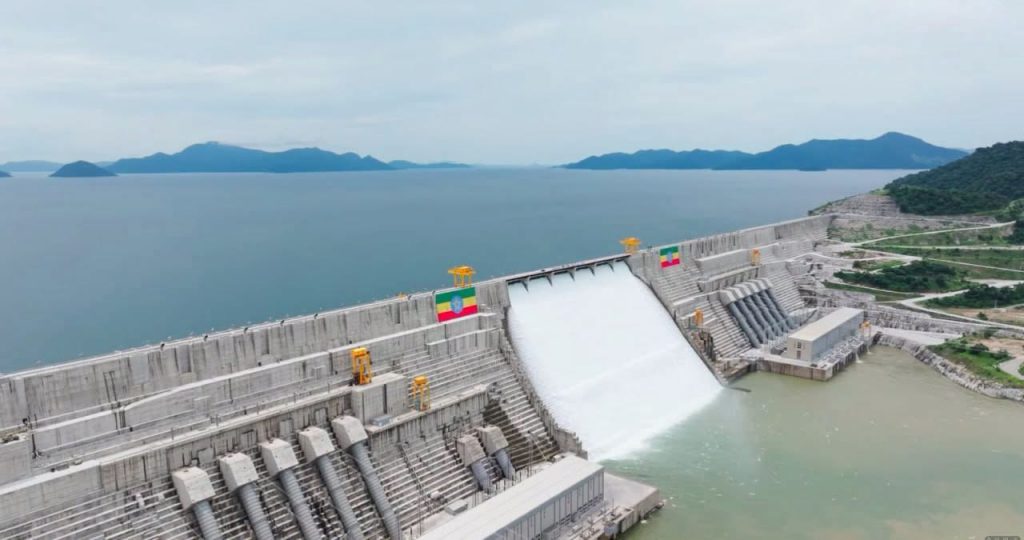
Addis Ababa, September 24, 2026 (FMC) — Ethiopia is positioning its vast clean-energy potential as a foundation for expanding power access and supporting regional development, with the Grand Ethiopian Renaissance Dam (GERD) at the center of a broader vision for shared energy-driven prosperity across East Africa, President Taye Atske-Selassie told the 81st United Nations General Assembly.
Addressing the General Assembly in New York, President Taye said Ethiopia has a clean-energy potential of 60,000 megawatts and is targeting 13,000 megawatts of generation capacity by 2030, with the ambition of scaling up its energy supply across East Africa and beyond.
“As one of the powerhouse of clean energy with a total potential of 60,000 megawatts, Ethiopia targets to generate 13,000 megawatts by 2030,” the President said, highlighting the country’s intention to expand its contribution to the region’s energy supply.
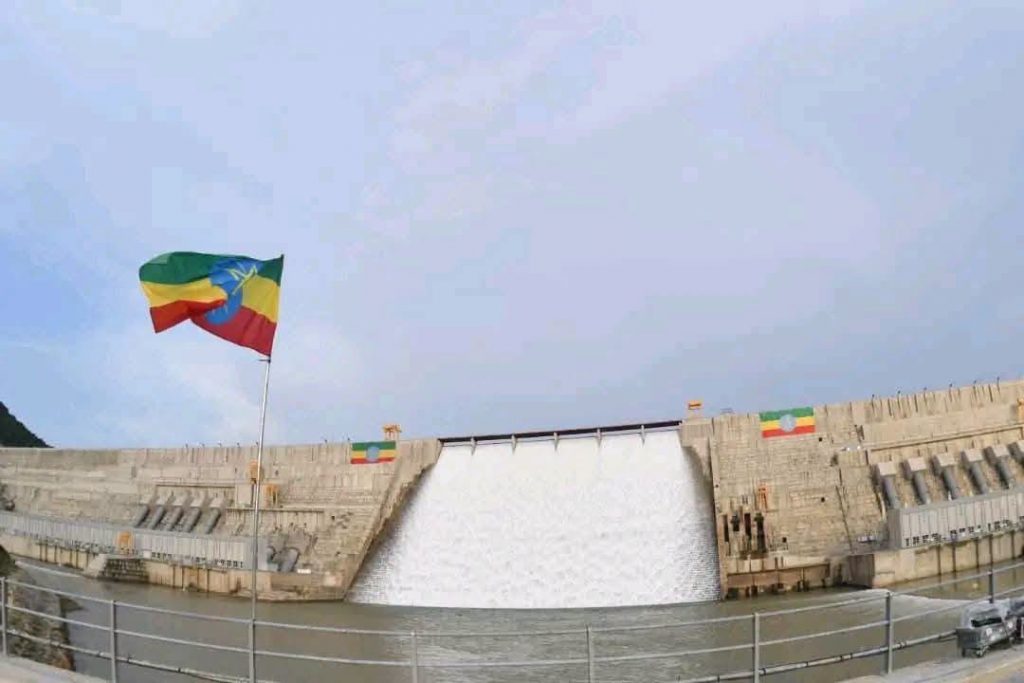
Against this backdrop, President Taye described the Grand Ethiopian Renaissance Dam as a “monumental pan-African clean energy project,” linking its significance to a broader principle of regional development through shared resources.
He said the project demonstrates that shared waters and resources can generate “progress and development for collective regional prosperity,” presenting the GERD not only in terms of Ethiopia’s energy ambitions but also as part of a wider regional development vision.
The President’s remarks place Ethiopia’s clean-energy agenda within its broader effort to strengthen regional cooperation and integration through infrastructure and productive capacity. Expanding electricity generation and transmission can support industrialization, economic activity and improved access to energy while creating opportunities for greater regional power cooperation.
The scale of Ethiopia’s energy ambition also reflects the country’s significant renewable-resource base, particularly in hydropower, alongside solar, wind and geothermal potential. The planned expansion of generation capacity is intended to strengthen domestic energy supply while enabling Ethiopia to contribute more substantially to electricity needs beyond its borders.
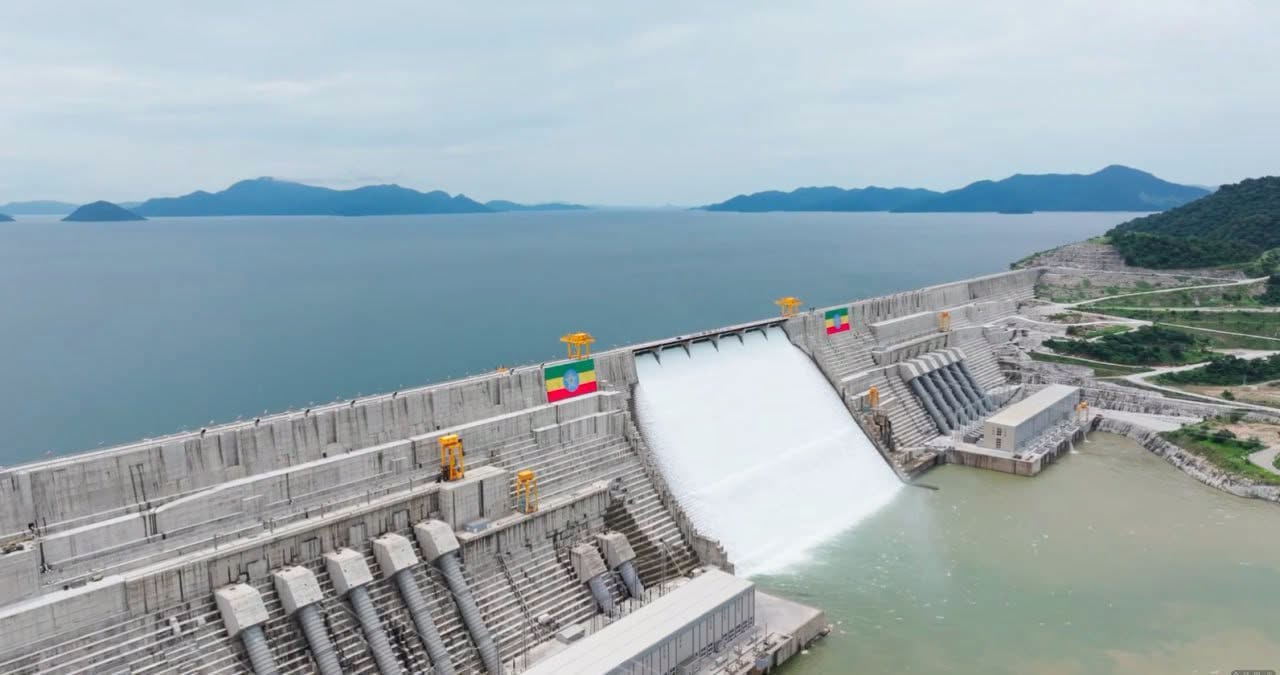
For Ethiopia, the GERD represents the largest expression of this energy-development strategy. Built on the Abbay River, the dam has a total installed generating capacity of 5,150 megawatts, making it a major addition to Ethiopia’s power-generation infrastructure.
President Taye’s UNGA remarks therefore connect the country’s clean-energy potential, its 2030 generation target and the GERD to a wider proposition: that Africa’s natural resources can underpin infrastructure, economic growth and regional prosperity when harnessed through cooperation.
He subsequently called for genuine and sustained regional and international cooperation to sustain and scale Ethiopia’s achievements across renewable energy and other development sectors, reinforcing the regional dimension of the country’s energy strategy.