FIREBIRD
The Dance Theatre of Harlem has announced additional shows for Firebird, the ballet and orchestral work by Russian composer Igor Stravinsky, The post FIREBIRD appeared first on Blanc Magazine.
 Black News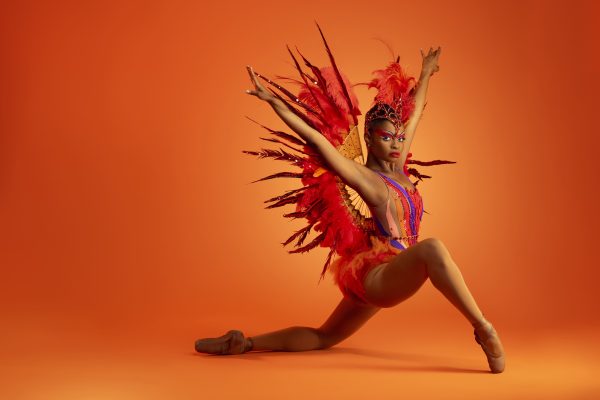
Culture
Firebird in the hands of Geoffrey Holder by Matthew Burgos
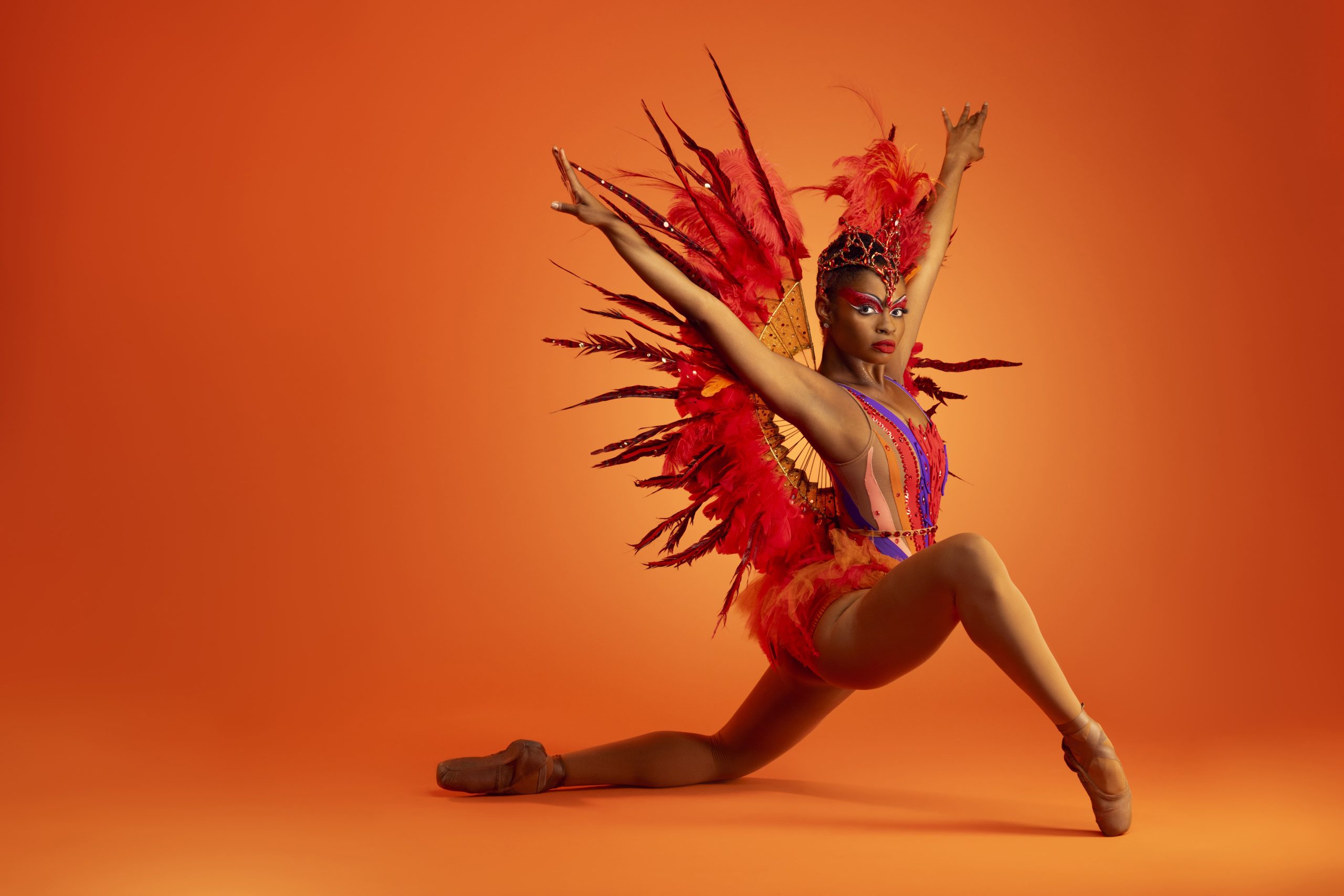
The Dance Theatre of Harlem has announced additional shows for Firebird, the ballet and orchestral work by Russian composer Igor Stravinsky, after its sold-out performances in New York and its international premiere in Paris. The dance company is set to perform in Washington, D.C., in September 2026, Chicago in October 2026, and Tempe in November 2026, with more tour dates and cities to be announced soon. The production was originally the centerpiece of the company’s New York season at New York City Center, and now it is expanding to reach new audiences nationwide for its limited fall tour.
The ballet’s story remains the same: the Prince spares the life of a firebird he caught in the enchanted forest, which in return gifts him a magic feather that can save him from danger. He meets a group of princesses and falls in love with one of them, but the evil sorcerer Koschei tries to stop him and orders his monstrous helpers to chase and hurt him. In the original ballet, the Firebird casts a spell to make Koschei and his monsters fall into a deep sleep so the Prince can break the egg that contains the sorcerer's soul and destroy them. On stage with the Dance Theatre of Harlem, the Prince uses the feather to call on the Firebird, who releases her power to make Koschei and the monsters disappear.
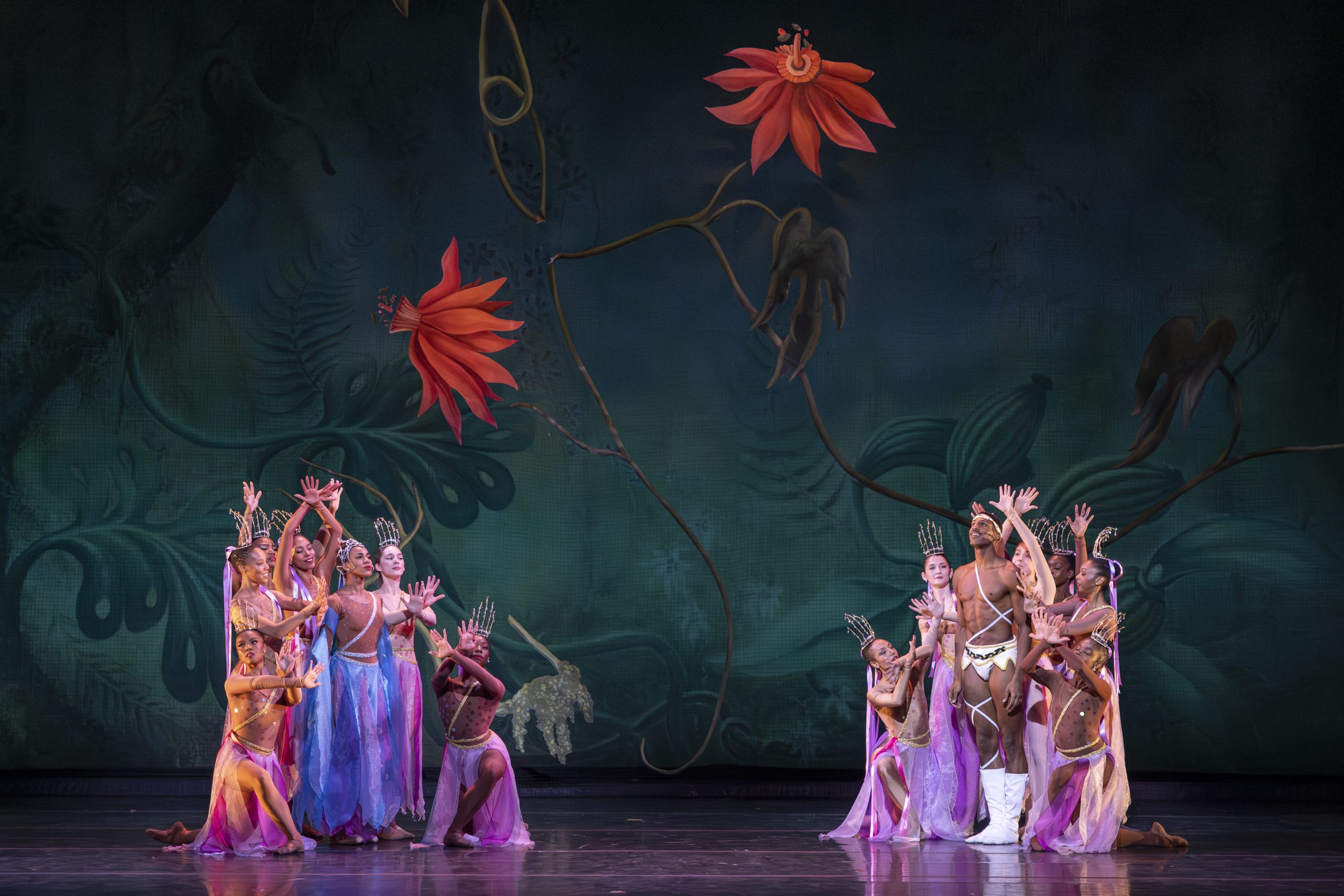
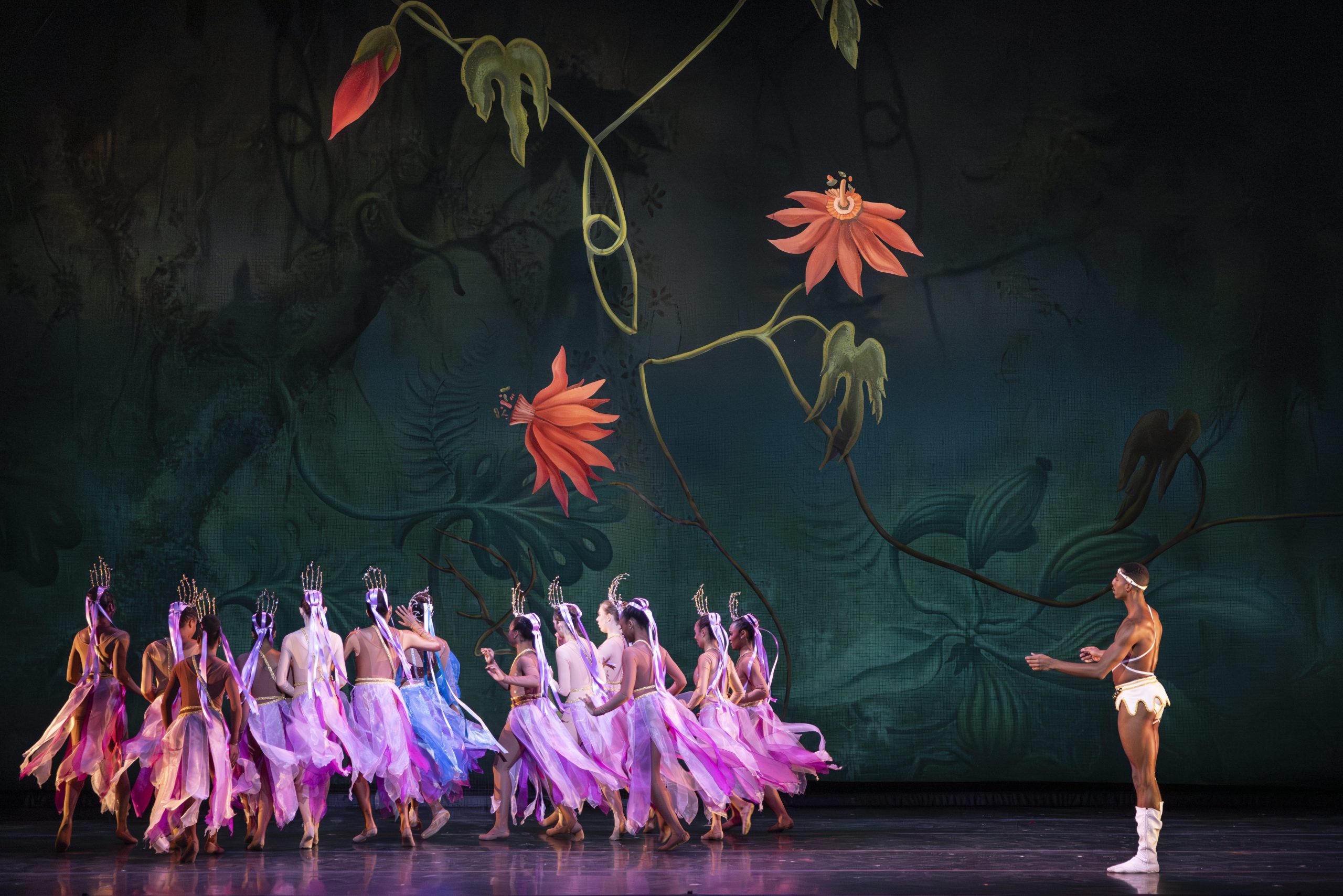
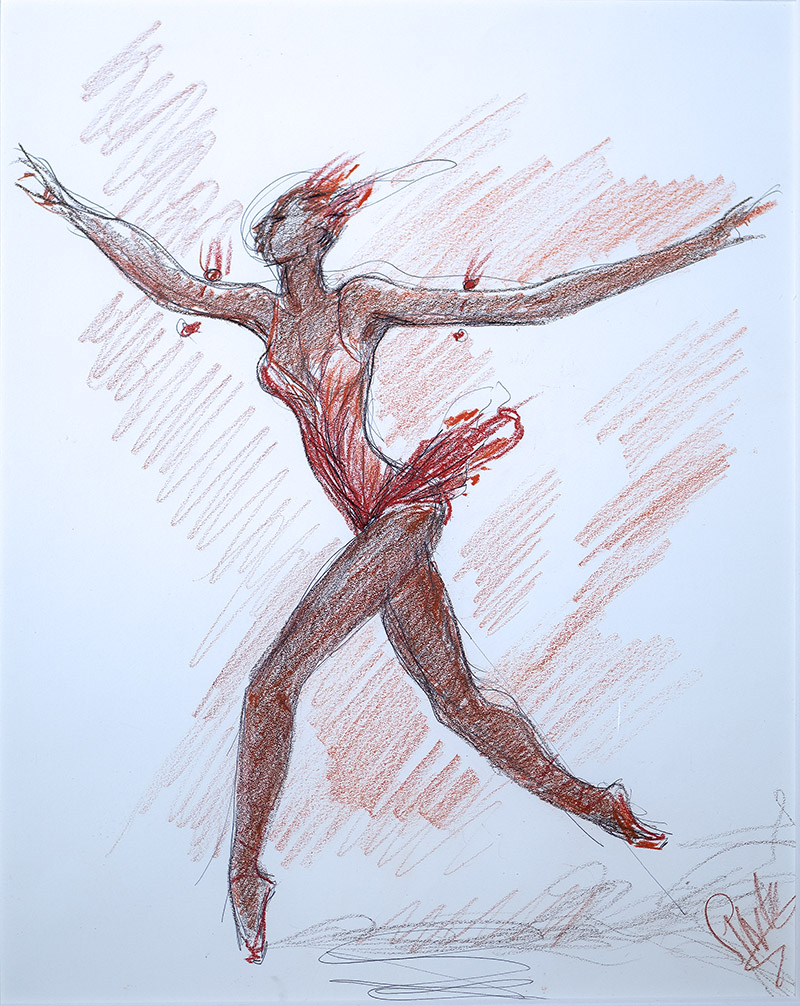
An element that draws the eye to the ballet is the luminous set design and radiant costumes by Geoffrey Holder, a multi-hyphenate artist from Trinidad and Tobago. His work is central to this rendition of the production, the 1910 original of which by Michel Fokine was rooted in Slavic mythology and the "cold beauty" of the Russian wilderness. In the hands of Geoffrey Holder, and under the visionary leadership of Arthur Mitchell and the choreography of John Taras, the stage comes to life with the heat and zest of the tropics as the setting now depicts a Caribbean landscape.
The enchanted forest comes into view as a tropical jungle on an unnamed island filled with passionflowers, giant orchids, and crawling vines. It reimagines the 19th-century botanical paintings of Martin Johnson Heade; as an artist himself, Holder's work captures the sense of exoticism and the lushness of the tropics. In a way, the late artist created a living painting, where the dancers, their clothes, and the stage they're on perform live as one.
From the costumes to the stage, the shades of electric orange, deep green, and vibrant magenta deflect the traditional Slavic interpretation, and they add a flair of tension and life to the ballet’s plot. In this rendition, which first premiered in 1982 and is now returning over four decades later, the ballet puts a focus on the firebird - the symbol of power and grace - and with the design of the backdrop, so fiery and full of life, the mythical creature translates passion, ardor, and vigor through movement.
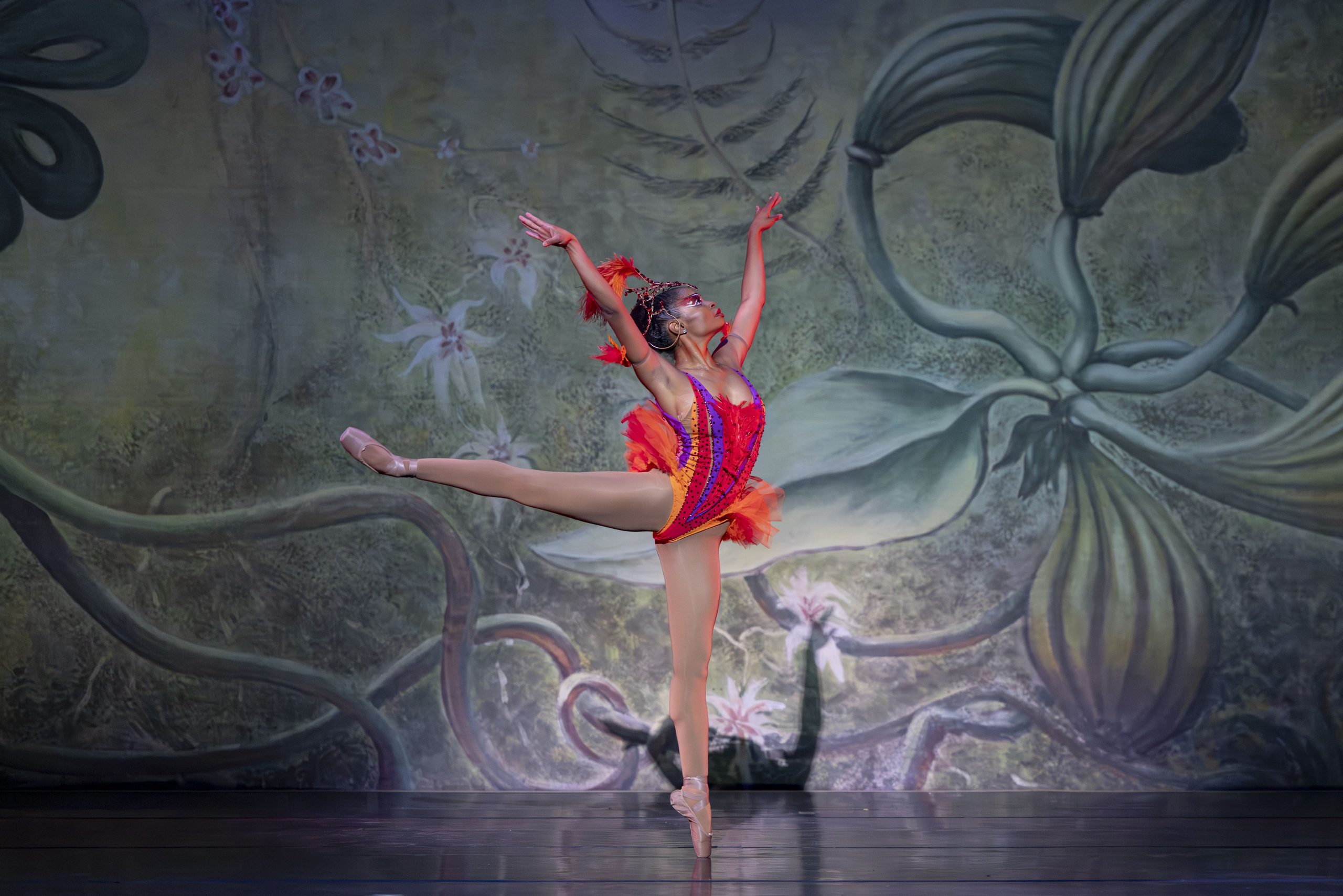
The costumes distinguish the characters clearly: the sharp, body-hugging suit of the Firebird, the fluttering yards of fabric dressing the princesses, and the enormous, butterfly-like eyes of Koschei to depict his evil nature. The couture extravagance is reminiscent of festivities, which is no surprise since Geoffrey Holder himself was a lover of the Trinidadian Carnival. That essence of celebration appears throughout his other works: the similar glowing colors and full-spread feathers in his famous Broadway show, The Wiz; the tall stilt-walkers in his show Timbuktu!; and, for the Dance Theatre of Harlem and Firebird, the giant eyes that connote allure and fear.
There’s a symbolic touch in Geoffrey Holder’s costume designs for Firebird, and that is the Sankofa motif from the Akan people of Ghana. It means to “go back and get it,” implying that we have to learn from our past to build a better future. The Dance Theatre of Harlem’s Firebird references that - and not so subtly - as it infuses energetic scenography into traditional Russian folklore, all while sustaining the artistry that Geoffrey Holder crafted to make the ballet look and feel even more spirited.