Four African cities land in the bottom 10 of the global liveability rankings for 2026
Four African cities have been placed among the world's 10 lowest-ranked urban centres in the Economist Intelligence Unit's (EIU) Global Liveability Index 2026, highlighting the persistent impact of insecurity, strained healthcare systems, infrastructure gaps and governance challenges across parts of the continent.
 Black News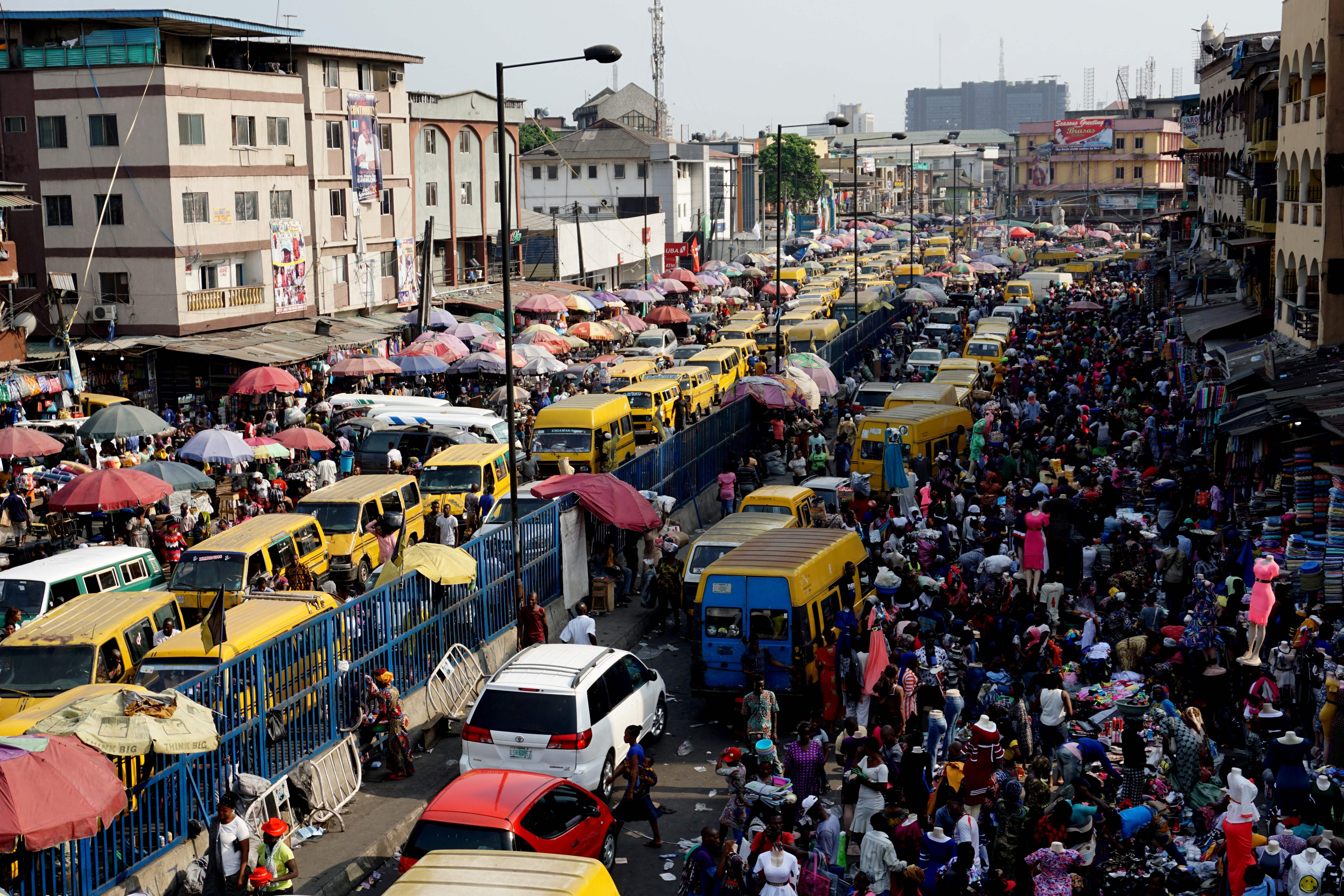
![Four African cities land in the bottom 10 of the global liveability rankings for 2026 [Photo by PIUS UTOMI EKPEI / AFP]](https://ocdn.eu/pulscms/MDA_/7c5ab51777bd69f293daa23d6154ae9f.jpg)
Four African cities have been placed among the world's 10 lowest-ranked urban centres in the Economist Intelligence Unit's (EIU) Global Liveability Index 2026, highlighting the persistent impact of insecurity, strained healthcare systems, infrastructure gaps and governance challenges across parts of the continent.
- Four African cities—Harare, Lagos, Algiers, and Tripoli—are among the ten lowest-ranked in the 2026 EIU Global Liveability Index.
- The rankings evaluate 173 cities worldwide in terms of stability, healthcare, culture and environment, education, and infrastructure.
- Tripoli in Libya is Africa's lowest-rated city and second-lowest globally, reflecting years of conflict and instability.
- Harare, Lagos, and Algiers struggle notably due to poor healthcare, low stability, and major infrastructure gaps.
The annual index assessed 173 cities worldwide across five categories which includes stability, healthcare, culture and environment, education, and infrastructure, to determine how conducive each city is to everyday living.
This year's rankings saw Harare in Zimbabwe, Lagos in Nigeria, Algiers in Algeria and Tripoli in Libya all feature in the bottom 10 globally.
Libya's capital, Tripoli, ranked as Africa's lowest-rated city and the second-lowest globally, placing 172nd with an overall score of 41 out of 100. Only Syria's Damascus ranked lower.
DON'T MISS THIS: Top 10 African cities for global citizens to relocate to
Zimbabwe's capital, Harare, was the continent's highest-ranked among the four African cities in the bottom 10, finishing 165th with an overall score of 45. While the city posted a relatively strong education score of 67, its healthcare score of 33 significantly weighed on its overall performance.
Nigeria's commercial hub, Lagos, ranked 168th with an overall score of 44. The city recorded one of its weakest performances in stability, scoring 30, while healthcare also remained relatively low at 38 despite a comparatively stronger infrastructure score of 54.
Algeria's capital, Algiers, came in 169th with an overall score of 43. Although it performed relatively better in healthcare, scoring 54, the city's infrastructure score of 30 dragged down its overall ranking.
Conflict and infrastructure continue to shape rankings
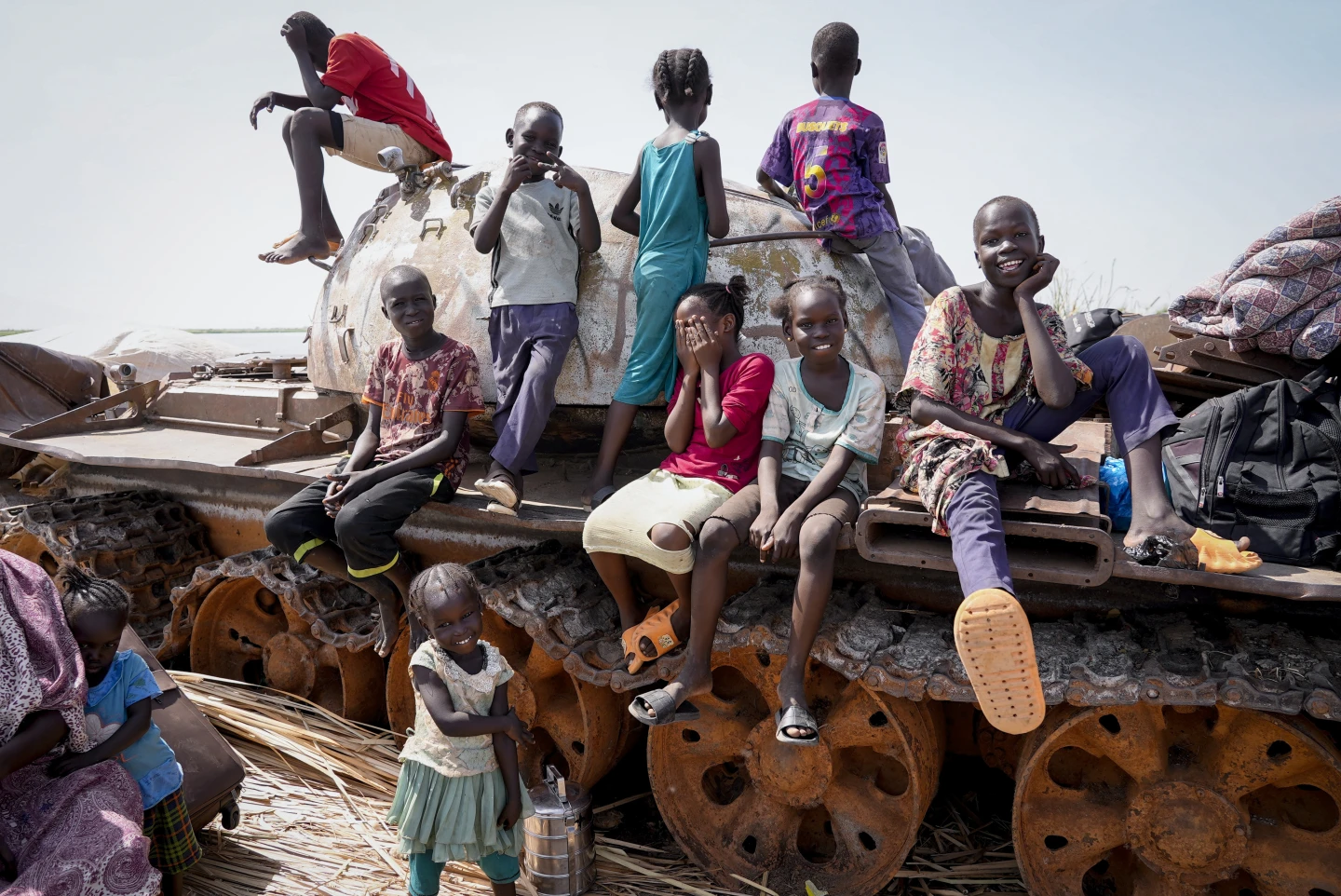
The latest rankings reinforce how conflict, political instability and underinvestment in public services continue to influence urban liveability across several African cities.
Tripoli's position reflects the long-term effects of years of conflict and institutional instability, while Lagos and Harare continue to grapple with rapid urbanisation, pressure on public services and infrastructure deficits.
Algiers, meanwhile, posted mixed results, with stronger healthcare offset by weaker infrastructure.
DON'T MISS THIS: African countries with the highest quality of life
Beyond Africa, the bottom 10 also included Tehran (Iran), Kyiv (Ukraine), Port Moresby (Papua New Guinea), Karachi (Pakistan), and Dhaka (Bangladesh), with Damascus (Syria) ranking last overall at 173rd. illustrating that armed conflict, economic pressures and urban infrastructure challenges remain key factors behind lower liveability scores across multiple regions.
The EIU's Global Liveability Index is widely used by businesses, policymakers and expatriates to assess living conditions in major cities, measuring not only access to healthcare and education but also safety, cultural amenities and the quality of infrastructure.