Gambia launches high-level taskforce to rescue falling immunisation coverage
Officials described the initiative as a critical national response to falling vaccination rates, which have dropped from around 90 per cent in previous years to nearly 70 per cent raising concerns about increased vulnerability to preventable diseases. Speaking at the event, UNICEF Country Representative Nafisa Binte Shafique said the moment marked a turning point for child health in The Gambia. “This is an important moment for the children of The Gambia and for partnership,” she said. “Ensuring that every child is protected with life-saving vaccines is not the responsibility of the health sector alone. It is a shared national responsibility.” She stressed that the new platform was both timely and necessary, noting that the challenges affecting immunisation go beyond healthcare delivery. According to her, barriers such as misinformation, mistrust following the COVID-19 pandemic, weak data systems, logistical constraints, and inequitable access continue to hinder progress. “These are social, structural and systemic issues that require a whole-of-government and whole-of-society response,” she added. She said the working group is expected to serve as a permanent national coordination platform, focusing on strengthening collaboration across sectors, integrating immunisation into broader national policies, and improving accountability and results. Nafisa said it will also drive advocacy and behavioural change efforts by engaging parents, religious leaders, youth groups, teachers and the media to rebuild confidence in vaccines and counter misinformation. Permanent Secretary 1 at the Ministry of Health, Dr Yusupha Touray, who officially opened the meeting, described the initiative as both timely and strategic. “This meeting comes at a critical moment,” he said, referencing the July 2025 Gavi mission, which highlighted the need for stronger government financing, improved accountability and sustainable immunisation systems, as external support gradually declines. He acknowledged that the Ministry of Health alone cannot address the complex challenges immunisation faces. “The mission clearly emphasised the need for a coordinated, multisectoral approach bringing together political leadership, technical expertise and community engagement,” he stated. Dr Touray outlined key objectives of the working group, including improving service delivery through stronger coordination, integrating immunisation priorities into sectors such as education, nutrition, water and sanitation, and social protection, and enhancing communication strategies to tackle vaccine hesitancy. He further highlighted the importance of resource mobilisation, digital innovation in data systems, and inclusive approaches that address gender, disability and other social inequalities. Touray stated that the working group brings together a broad coalition of stakeholders, including ministries of Health, Finance, Education and Local Government, alongside development partners such as Gavi, UNICEF and WHO, as well as civil society organisations, community representatives and the private sector. Through quarterly meetings, joint reviews and data-driven reporting, the platform is expected to identify gaps, strengthen accountability, and accelerate progress toward universal immunisation coverage. Health experts warn that without urgent and coordinated action, the decline in vaccination rates could reverse years of progress in child survival. Nonetheless, with renewed political will and collective responsibility, stakeholders expressed optimism that The Gambia can get back on track.
 Black News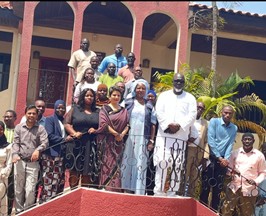


Officials described the initiative as a critical national response to falling vaccination rates, which have dropped from around 90 per cent in previous years to nearly 70 per cent raising concerns about increased vulnerability to preventable diseases.
Speaking at the event, UNICEF Country Representative Nafisa Binte Shafique said the moment marked a turning point for child health in The Gambia.
“This is an important moment for the children of The Gambia and for partnership,” she said. “Ensuring that every child is protected with life-saving vaccines is not the responsibility of the health sector alone. It is a shared national responsibility.”
She stressed that the new platform was both timely and necessary, noting that the challenges affecting immunisation go beyond healthcare delivery.
According to her, barriers such as misinformation, mistrust following the COVID-19 pandemic, weak data systems, logistical constraints, and inequitable access continue to hinder progress.
“These are social, structural and systemic issues that require a whole-of-government and whole-of-society response,” she added.
She said the working group is expected to serve as a permanent national coordination platform, focusing on strengthening collaboration across sectors, integrating immunisation into broader national policies, and improving accountability and results.
Nafisa said it will also drive advocacy and behavioural change efforts by engaging parents, religious leaders, youth groups, teachers and the media to rebuild confidence in vaccines and counter misinformation.
Permanent Secretary 1 at the Ministry of Health, Dr Yusupha Touray, who officially opened the meeting, described the initiative as both timely and strategic.
“This meeting comes at a critical moment,” he said, referencing the July 2025 Gavi mission, which highlighted the need for stronger government financing, improved accountability and sustainable immunisation systems, as external support gradually declines.
He acknowledged that the Ministry of Health alone cannot address the complex challenges immunisation faces.
“The mission clearly emphasised the need for a coordinated, multisectoral approach bringing together political leadership, technical expertise and community engagement,” he stated.
Dr Touray outlined key objectives of the working group, including improving service delivery through stronger coordination, integrating immunisation priorities into sectors such as education, nutrition, water and sanitation, and social protection, and enhancing communication strategies to tackle vaccine hesitancy.
He further highlighted the importance of resource mobilisation, digital innovation in data systems, and inclusive approaches that address gender, disability and other social inequalities.
Touray stated that the working group brings together a broad coalition of stakeholders, including ministries of Health, Finance, Education and Local Government, alongside development partners such as Gavi, UNICEF and WHO, as well as civil society organisations, community representatives and the private sector.
Through quarterly meetings, joint reviews and data-driven reporting, the platform is expected to identify gaps, strengthen accountability, and accelerate progress toward universal immunisation coverage.
Health experts warn that without urgent and coordinated action, the decline in vaccination rates could reverse years of progress in child survival. Nonetheless, with renewed political will and collective responsibility, stakeholders expressed optimism that The Gambia can get back on track.