Global maritime firms race into West Africa as Hormuz disruption reshapes trade routes
Rising tensions in the Middle East and the disruption of the Strait of Hormuz are rapidly reshaping global shipping routes, triggering a wave of investment and expansion by major maritime firms across West Africa.
 Black News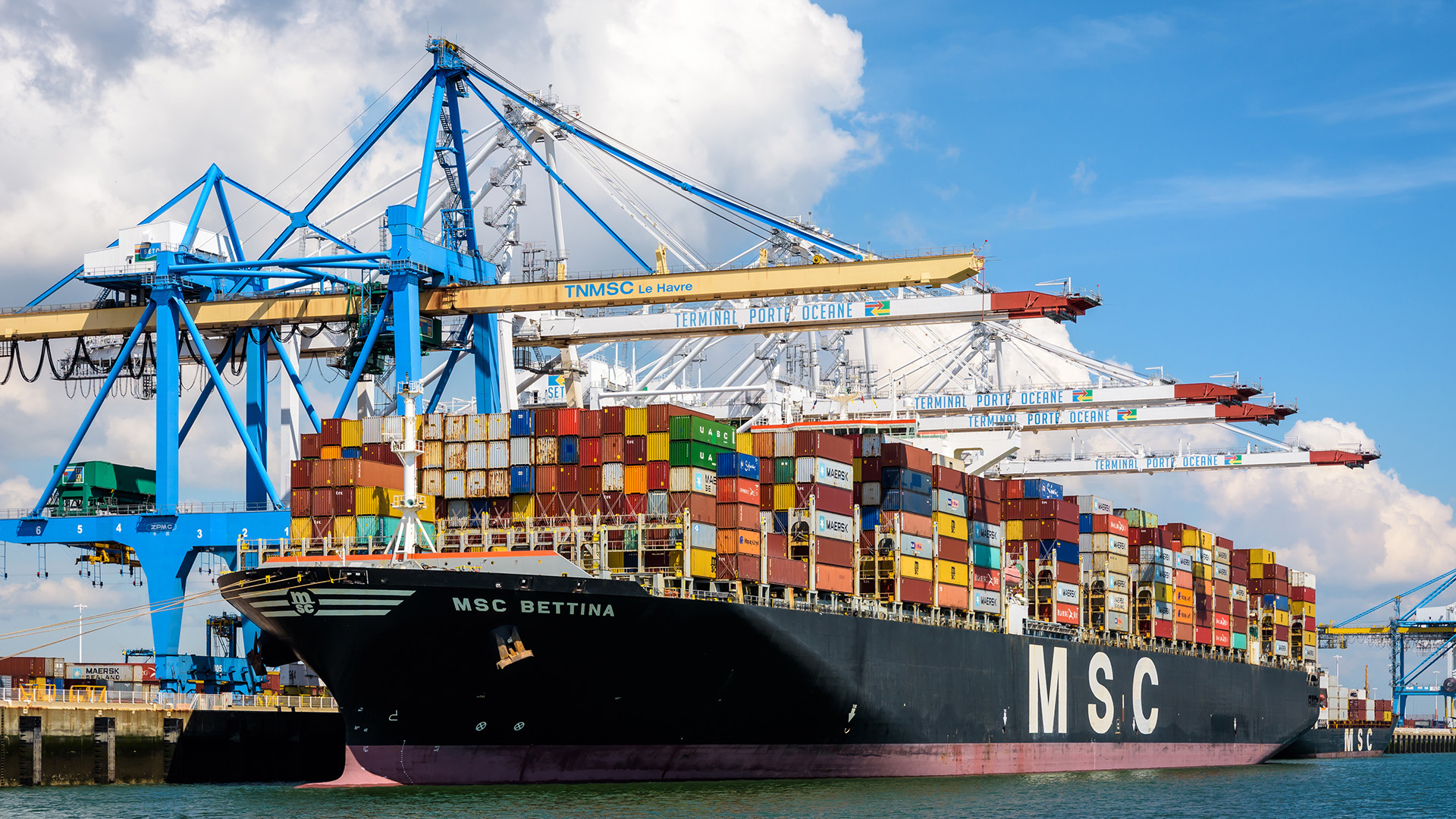

Rising tensions in the Middle East and the disruption of the Strait of Hormuz are rapidly reshaping global shipping routes, triggering a wave of investment and expansion by major maritime firms across West Africa.
- Rising tensions in the Middle East and the blockage of the Strait of Hormuz have forced global shipping routes to shift, increasing traffic around Africa.
- West Africa has become a key destination for refueling, repairs, and logistics due to vessels rerouting around the Cape of Good Hope.
- Shipping distances have increased significantly, such as Singapore to Spain voyages growing by 6,500 km when bypassing the traditional passage.
- Major maritime companies like Minerva Bunkering, Vitol, Monjasa, Damen, MSC, and Hapag-Lloyd are heavily investing and expanding their operations across West African ports.
The blockage of the Strait of Hormuz due to rising tensions in the Middle East has mandated significant changes in global shipping patterns.
This shift has prompted a number of maritime companies to expand their operations along the West African coastline. As ships increasingly navigate around the Cape of Good Hope, West Africa has emerged as a premier destination for refueling, repairs, and cargo logistics.
Bypassing the traditional chokepoints forces vessels traveling to European countries to sail entirely around Africa.
For example, a container ship traveling from Singapore to Spain covers about 13,300 km via the direct route. However, to circumnavigate Africa and bypass the blockage, the vessel must cover roughly 19,800 km, adding a staggering 6,500 km to the voyage.
This extended journey has created a massive spike in demand for marine fuel. Recently, one of the world's largest physical suppliers of marine fuel, Minerva Bunkering, announced its expansion into the West African nation of Mauritania.
The maritime company revealed that it will operate out of the ports of Nouadhibou and Nouakchott, joining a growing list of industry leaders on the continent.
![West Africa has become a key destination for refueling, repairs, and logistics due to vessels rerouting around the Cape of Good Hope. [Photo: PIUS UTOMI EKPEI/AFP via Getty Images]](https://ocdn.eu/pulscms/MDA_/5fb65f02536e2eea939aa8bd72a04ff7.jpg)
Global shipping lines reroute through West Africa
Minerva joins Vitol and Monjasa, who are already major players in the region. Vitol Bunkers has positioned itself in Senegal—one of the westernmost nations in Africa—specifically operating out of Dakar, while also providing offshore bunkering services in Lomé, Togo.
Meanwhile, Monjasa has positioned its regional fleet to cover Walvis Bay and Lüderitz in Namibia, as well as Angola, while utilizing Lomé, Togo, as its primary operational epicenter.
Aside from refueling firms, reputable maritime companies are also positioning themselves to provide ship maintenance and repairs in the West African region.
Global shipbuilding and repair firm Damen has signed a 20-year public-private partnership agreement with the Senegalese government to take over operations at the Dakar Shipyard.
The company aims to modernize existing facilities and provide high-spec repair services for vessels traveling along the coastline.
The world's largest container shipping line, MSC, is also deploying its mega-container vessels to major ports across West Africa to maintain its schedules.
Similarly, the world's fifth-largest container shipping line, Hapag-Lloyd, is expanding its corporate presence by opening a new office in the Benin Republic.
This major influx of global maritime firms is rapidly positioning West Africa as an indispensable, self-sufficient hub for international trade and maritime activities.
Victor Awogbemila