Indigenous churches back CA3, urge parly to pass it
The Zimbabwe Indigenous Interdenominational Council of Churches (ZIICC) has backed the proposed Constitution of Zimbabwe Amendment Bill No. 3, urging Parliament to approve the changes.
 Black News
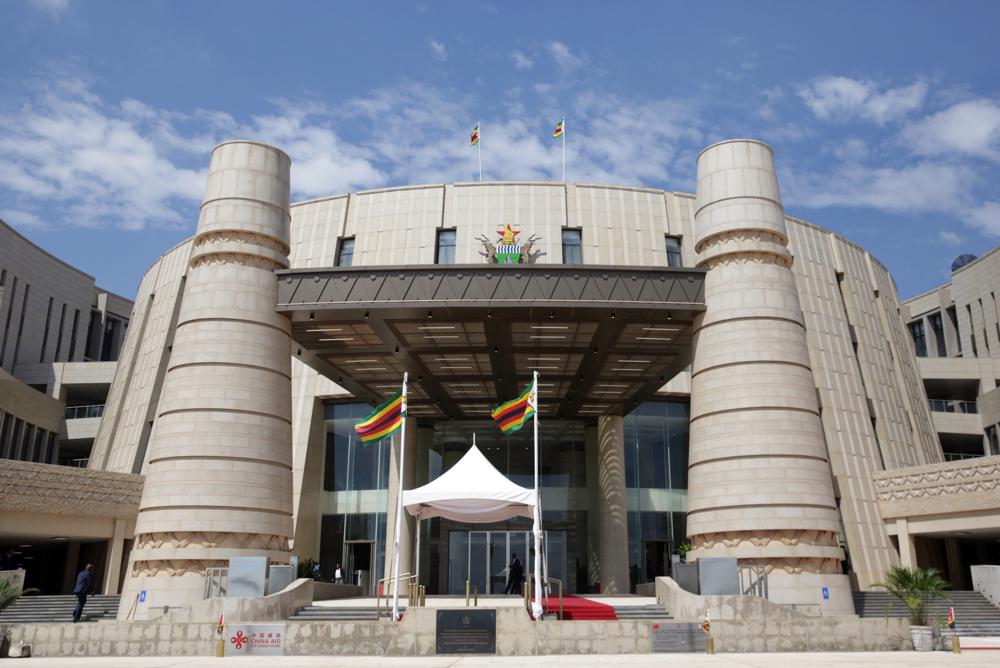
The Bill proposes extending presidential and parliamentary terms from five to seven years and introducing the indirect election of the President through Parliament, among other reforms.
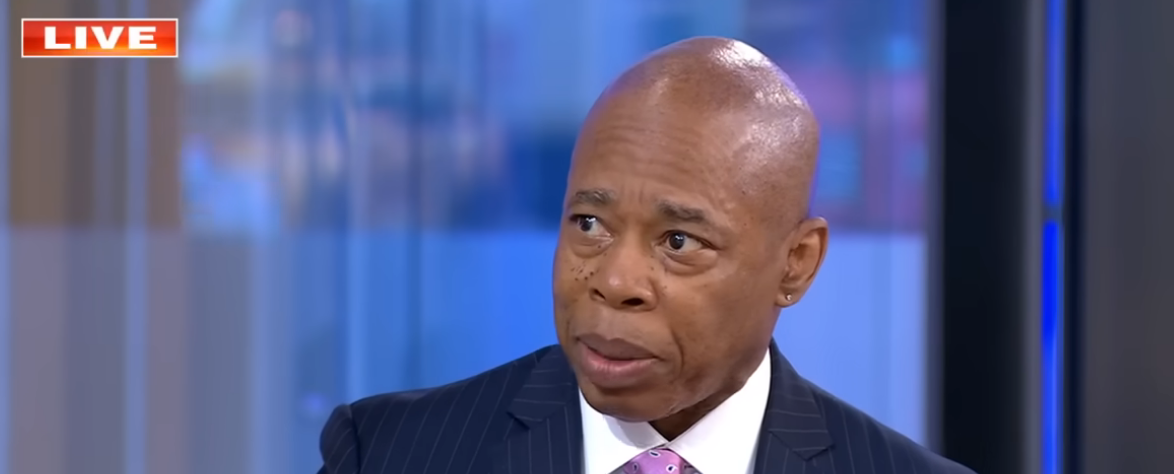
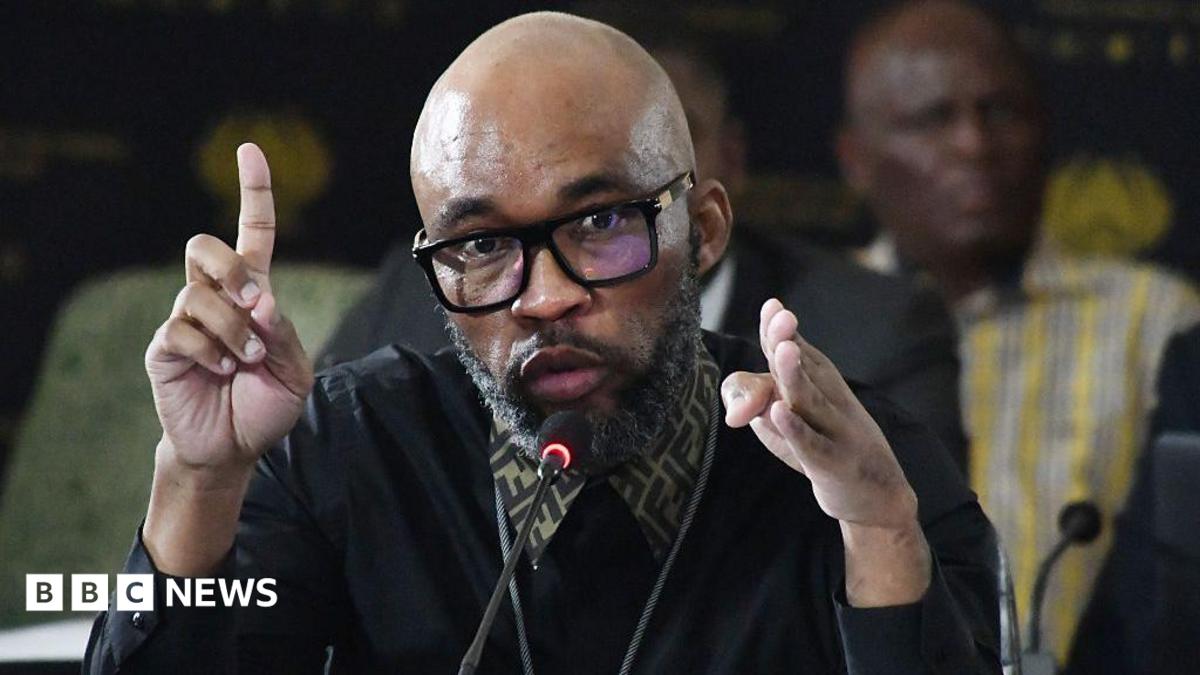
In a submission signed by ZIICC patron Bishop Dr Nehemiah Mutendi and chairman Rev Dr Andrew Wutawunashe, the council said it represented more than 8.7 million Zimbabweans across Indigenous Christian Apostolic, Pentecostal and Evangelical denominations.
The organisation described itself as the main umbrella body for indigenous church denominations in Zimbabwe and said the proposed amendments were lawful, necessary and aligned with the country’s development agenda.
“We submit this statement in support of the Constitution of Zimbabwe (Amendment No. 3) H.B.1 Bill, 2026, and we do so with conviction, with clarity, and with the full authority of our calling,” the submission said.
ZIICC argued that Parliament had the constitutional authority to amend the Constitution and rejected calls for the withdrawal of the Bill.
“The deliberation on and passage of the Constitution of Zimbabwe (Amendment No. 3) H.B.1 Bill, 2026 lies squarely and exclusively within the constitutional mandate of Parliament,” the council said.
“It is not the mandate of any church council, any professional body, any civic coalition, or any external body. Parliament’s exercise of that mandate is not a threat to democracy; it is democracy itself.”
The council said constitutional requirements for public participation had already been met through nationwide hearings and written submissions.
“The Constitution does not grant anybody or any organisation a veto over Parliament. It grants citizens a voice. That voice has been heard. Parliament must now deliberate and decide,” the submission said.
Seven-year term proposal
ZIICC strongly defended proposals to extend presidential and parliamentary terms from five to seven years, arguing that the change would ensure continuity in implementing national development programmes under Vision 2030 and the National Development Strategy 1.
“The extension of the presidential election cycle from five to seven years, and the corresponding extension of the parliamentary term, are the necessary constitutional response to this developmental reality,” the council said.
It said seven years would provide sufficient time to plan, manage disruptions and complete large-scale programmes.
The organisation also linked the proposed term length to biblical principles, citing references in Leviticus 25 and Exodus 23 to a seventh year of rest and renewal.
Indirect presidential election
ZIICC also supported the proposal to remove direct presidential elections and allow Parliament to elect the President.
“Our communities have paid the price of electoral toxicity with their peace, their livelihoods and their social cohesion,” the submission said.
“In our considered view, the removal of the direct presidential election is not a democratic regression. It recognises that the high-stakes, winner-takes-all presidential contest has been a recurring source of political tension and social division.”
Traditional leaders and reconciliation
The council backed proposed changes affecting traditional leaders, saying chiefs and other traditional authorities should not be restricted from political participation.
It also supported the repeal of constitutional provisions establishing the National Peace and Reconciliation Commission (NPRC), arguing that reconciliation efforts should not be confined to a single government institution.
“This is not an abandonment of reconciliation,” the submission said. “It is a recognition that reconciliation is too important and too deeply rooted in the life of this nation to be confined to a single commission with a ten-year mandate.”
ZIICC pledged to intensify reconciliation and healing initiatives in partnership with the government and traditional institutions.
The council concluded by urging lawmakers to approve the Bill.
“We have prayed over this Bill. We have listened to our congregations. And we are satisfied that what Parliament is being asked to do serves the best interests of the nation,” the submission said.
“Pass this Bill. Zimbabwe is waiting.”