Joburg Theatre launches podcast to take audiences behind the curtain
Through interviews and behind-the-scenes discussions, Spotlight Theatre Talk explores the people and processes that bring productions to life
 Black News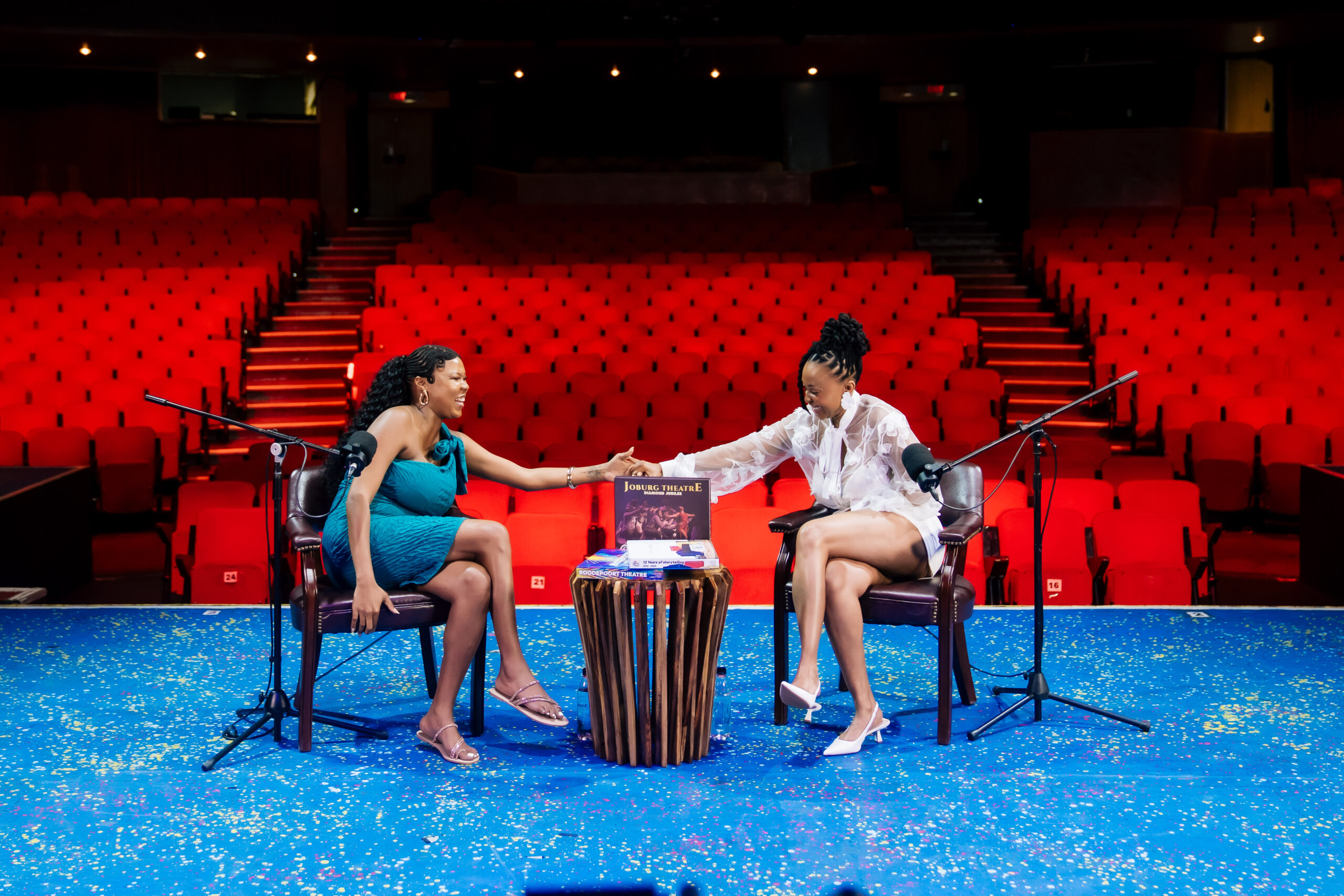
For decades, theatre has been built around a simple exchange: artists tell stories and audiences gather to experience them. But as the ways people consume culture continue to evolve, institutions are increasingly looking beyond traditional stages to keep those conversations alive.
Now, Joburg City Theatres is stepping into a new space with the launch of Spotlight Theatre Talk, its first podcast dedicated to arts and culture.
The new platform aims to create a home for conversations with artists, creatives and cultural figures, offering audiences a chance to engage with the people and ideas behind productions long after the curtain falls.
Joburg City Theatre’s artistic director James Ngcobo says the decision to launch a podcast was driven by a desire to deepen the institution’s relationship with audiences in a way that traditional marketing channels cannot.
“A theatre stage allows us to tell stories through performance and our marketing platforms help us communicate what is happening at Joburg Theatre,” says Ngcobo. “However, a podcast gives us something different, time and space for conversation.”
Rather than focusing solely on promoting productions, Spotlight Theatre Talk will explore the journeys, experiences and ideas that shape South Africa’s creative ecosystem.
“The gap it fills is connection,” Ngcobo says. “Audiences are increasingly looking for authentic, accessible content that they can engage with on their own terms. Through Spotlight Theatre Talk, we can continue the conversation long after the curtain comes down, creating a more personal relationship between audiences, artists and the institution itself.”
The launch comes at a time when arts organisations are grappling with changing audience habits and financial pressures. Across the sector, institutions are increasingly being challenged to find new ways to remain visible and relevant in a crowded digital landscape.
For Ngcobo, the podcast forms part of a broader strategy to meet audiences where they are.
“The reality is that audiences consume content very differently today,” he says. “If we want the arts to remain relevant, we must meet people where they are.”
He describes Spotlight Theatre Talk as an extension of Joburg Theatre’s commitment to innovation and audience development, allowing the organisation to maintain a presence beyond its physical venues and engage audiences through digital platforms.
“It allows us to showcase the value of the arts in a way that is accessible, engaging and ongoing,” he says. “By amplifying artists’ voices and highlighting cultural conversations, we are ensuring that theatre remains part of everyday dialogue rather than something people only think about when they attend a show.”
One of the podcast’s key ambitions is to move beyond discussions of finished productions and instead focus on the often-unseen realities of creative work.
Ngcobo believes arts coverage frequently centres on performances, awards and public achievements while overlooking the more complicated human stories behind them.
“I think there is often a focus on the final product rather than the human journey behind it,” he says. “We see the production, the performance or the award but we don’t always hear about the challenges, sacrifices, failures, breakthroughs and lessons that shaped that journey.”
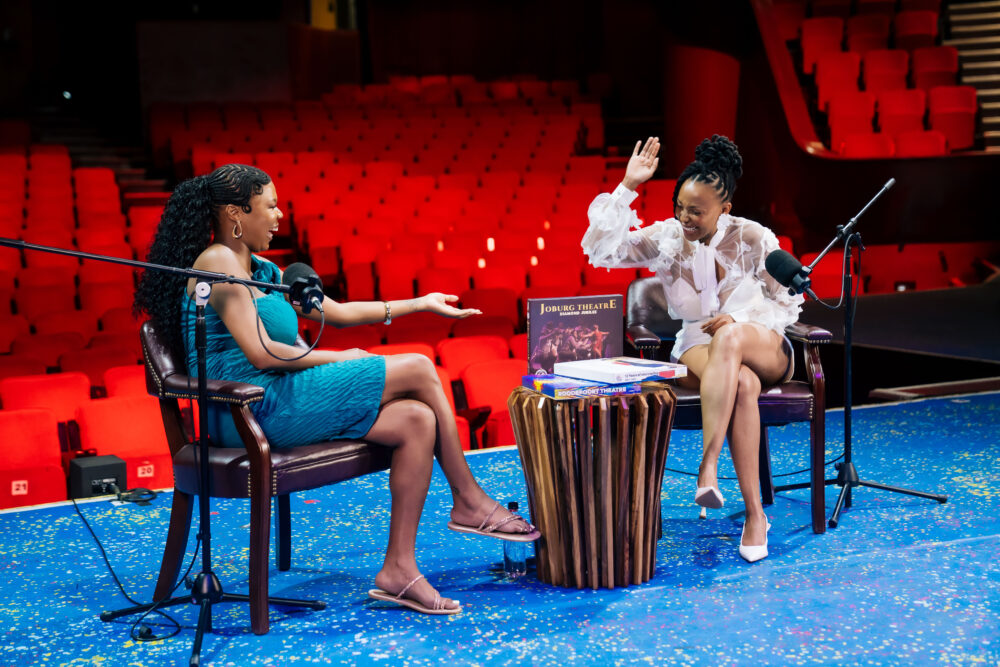
The podcast aims to provide space for artists to speak candidly about their creative processes, the realities of working in the sector and the cultural issues that matter to them.
Listeners can also expect a closer look at the work that happens behind the scenes of theatre-making. While audiences may experience a production over the course of a few hours, Ngcobo points out that each show is the result of months of collaboration, experimentation and problem-solving.
“Audiences may see a two-hour show but behind that are months of rehearsals, creative debates, technical planning and problem-solving,” he says.
Future episodes may feature conversations with directors, performers and designers discussing everything from the evolution of production concepts to the challenges of preparing for demanding roles and navigating obstacles during the creative process.
The first six episodes of Spotlight Theatre Talk are available on YouTube, with new episodes scheduled to be released monthly.
Looking ahead, Ngcobo says success will not simply be measured by audience numbers or online engagement but by the role the podcast plays in South Africa’s broader cultural landscape.
“If, a year from now, artists view Spotlight Theatre Talk as a trusted space to share their stories, audiences feel more connected to the creative process and important conversations about arts, culture and society are being documented and preserved for future generations, then we will have achieved something truly valuable,” he says.
“Ultimately, the podcast is about strengthening the relationship between the arts and the communities we serve.”
As arts institutions continue searching for new ways to engage audiences beyond traditional performance spaces, Joburg Theatre’s latest venture suggests that the conversation around theatre may increasingly happen not only on stage but through headphones as well.