On the set of ‘La Bamba’, lost Latino legend Ritchie Valens’s biopic
The overnight rockstar — The Chicano rock & roll star exploded overnight in the late ’50s, but just as quickly he was gone, killed in a plane crash along with Buddy Holly. An ’80s biopic saw him immortalised on the big screen, which photographer Merrick Morton captured behind the scenes.
 Black News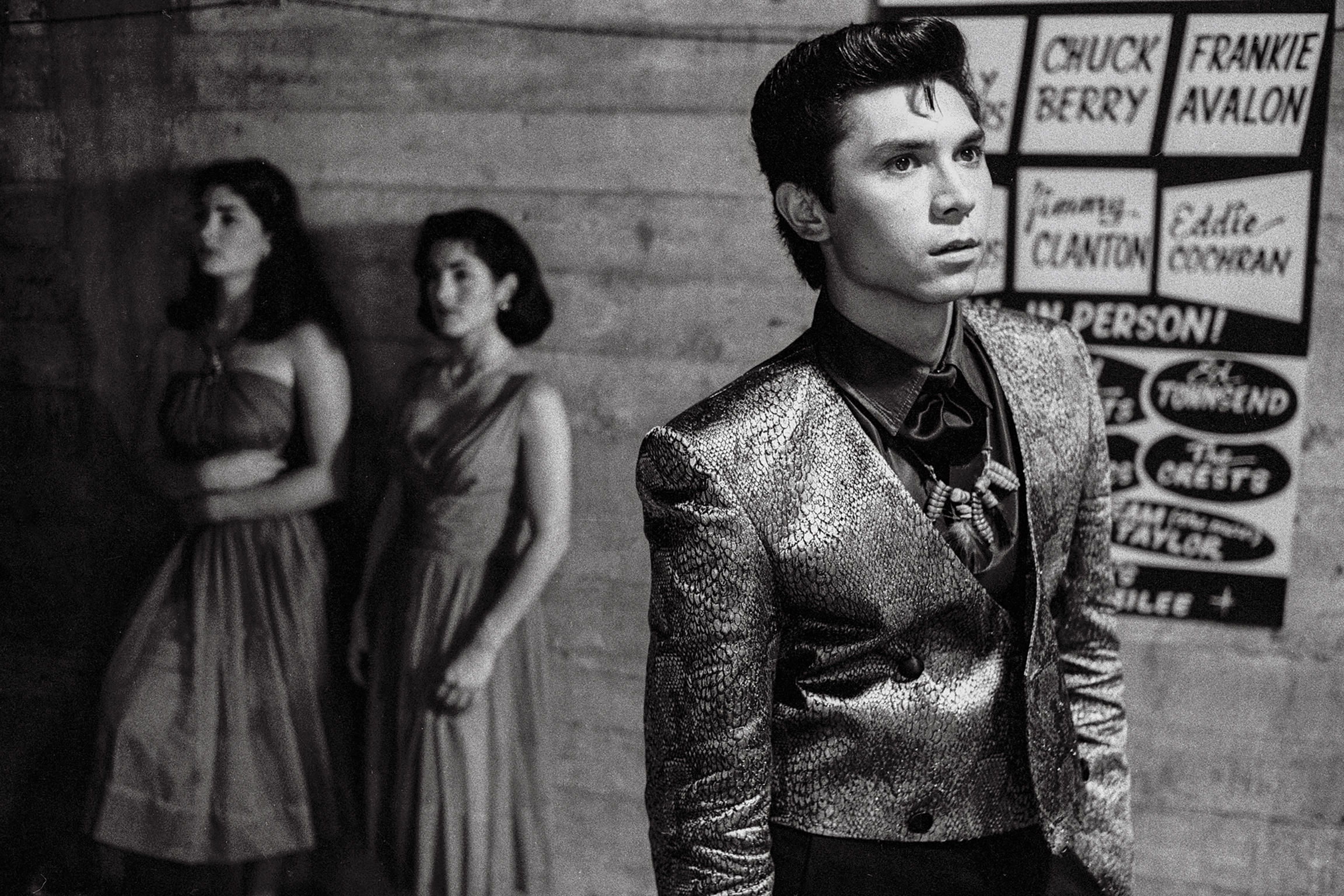

The overnight rockstar — The Chicano rock & roll star exploded overnight in the late ’50s, but just as quickly he was gone, killed in a plane crash along with Buddy Holly. An ’80s biopic saw him immortalised on the big screen, which photographer Merrick Morton captured behind the scenes.
In the early hours of February 3, 1959, a small four-seater airplane departed Mason City, Iowa, and flew directly into a winter storm. Soon thereafter it crashed and killed everyone on board, including rock & roll star Buddy Holly, and upcoming artists 17-year-old Ritchie Valens and ‘The Big Bopper’ J. P. Richardson. In 1971, singer songwriter Don McLean memorialised the tragedy as “The Day the Music Died” on his hit song ‘American Pie’.
In 1987, Valens’s brief but glorious life was given its proper due in the blockbuster biopic, La Bamba, which was added to the National Film Registry of the US Library of Congress in 2017. It was a landmark moment for Chicano culture in a nation that for centuries has long disparaged Mexican-American communities that predate their brutal subjugation under “Manifest Destiny” – the lurid euphemism for westward expansion during the 19th century.
La Bamba was made in close cooperation with the Valens family. Over a period of five years, the filmmakers crafted an exquisite portrait of an artist on the precipice of stardom, while spotlighting the rich culture of his peoples. As fate would have it, a young documentary photographer named Merrick Morton had a cousin who cut hair for Taylor Hackford, producer of La Bamba.
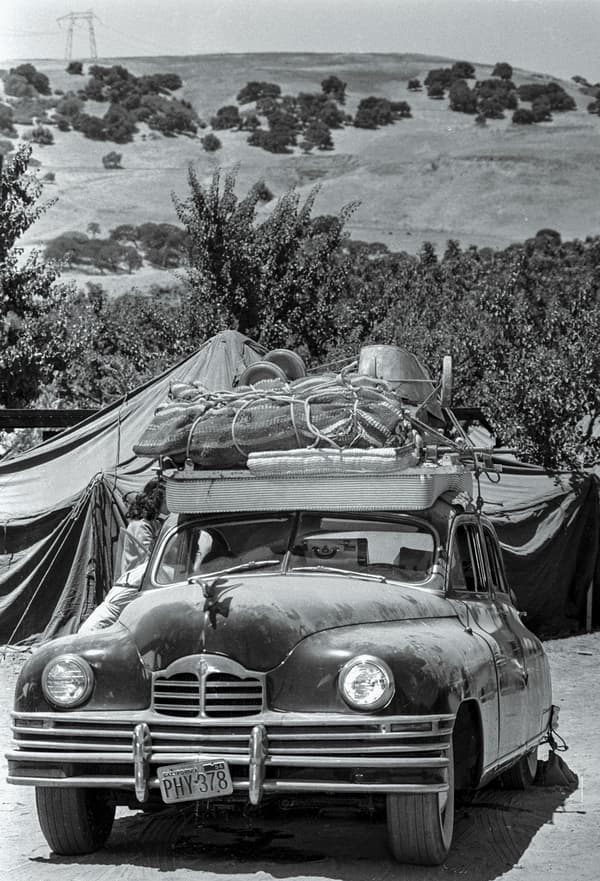
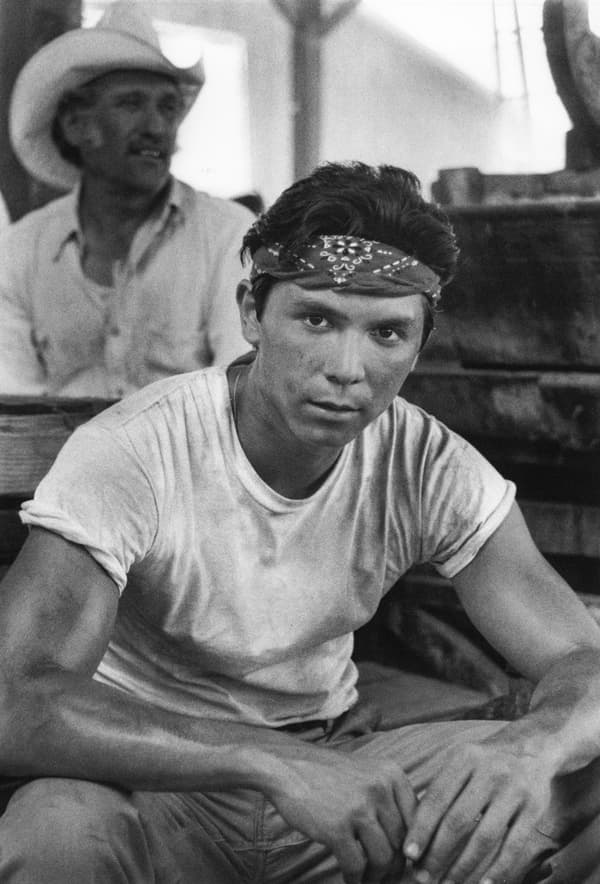
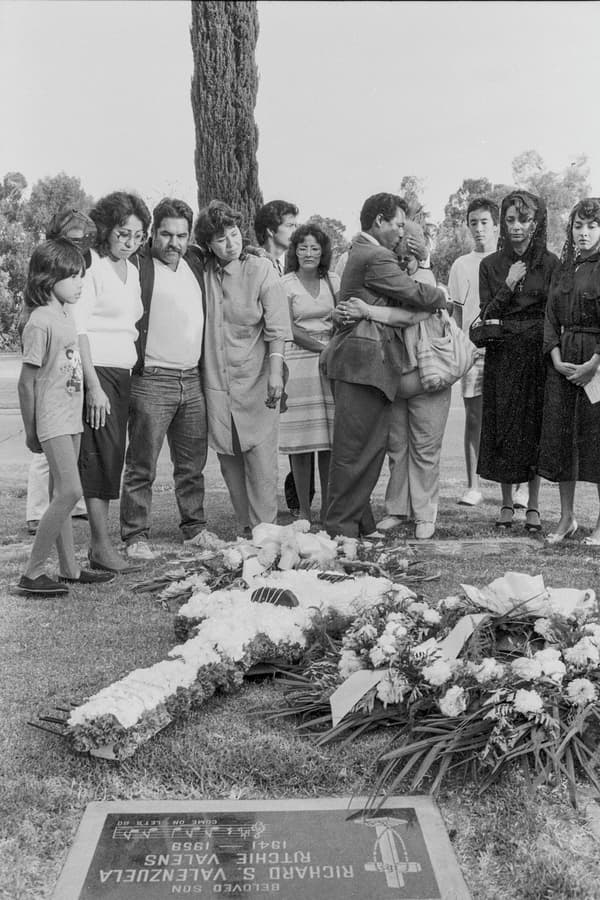
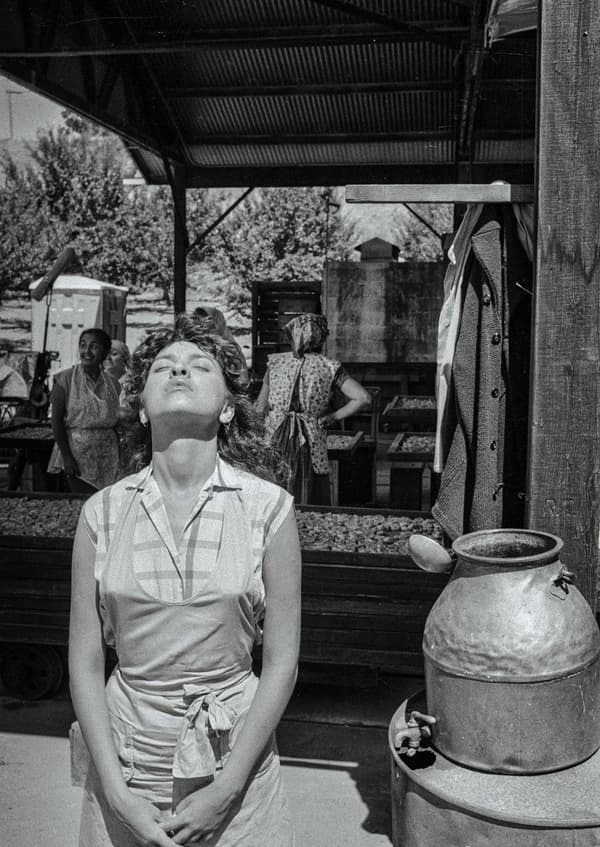
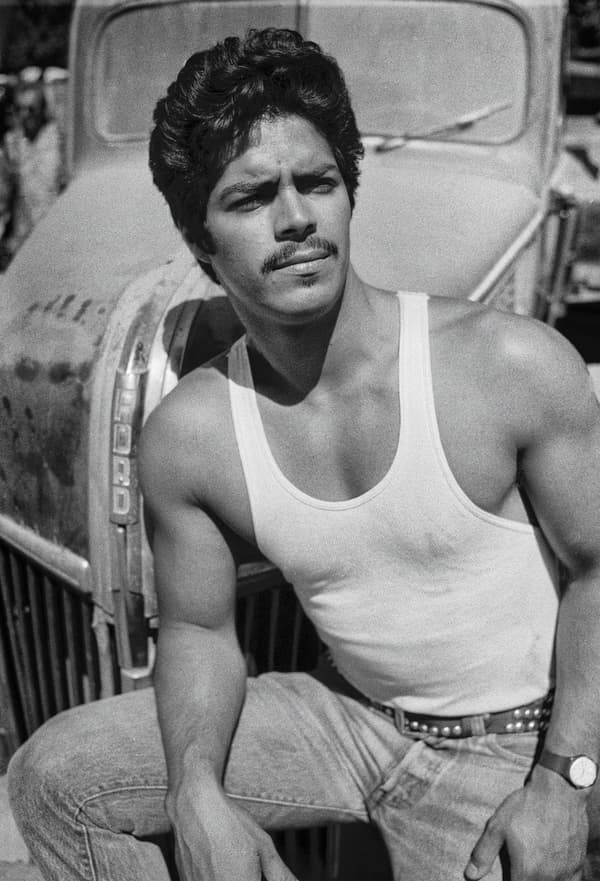
At the time, Morton was photographing gang life in LA, chronicling Black and Latino teens forging their own families on the streets, later published as Clique: West Coast Portraits from the Hood, 1980-1996. Seeing these intimate scenes of community built on survival and bonded by culture and style, Hackford was impressed and asked Morton to come on as a second set photographer, giving him carte blanche on his very first Hollywood set.
Four decades later, Morton revisits this cinematic classic with La Bamba: A Visual History (Hat & Beard Press). The book follows the trajectory of the film, tracing Valens’s singular path in the early years of rock & roll, seamlessly blurring the lines between fantasy and reality. “It wasn’t the Hollywood vibe. It was all one family,” Morton says. “There was a certain protocol of working on sets, but I wasn’t really aware of all the rules. I was out there to shoot, so I had this freedom.”
Understanding that it would take time to earn everyone’s trust to create authentic images, Morton approached Hackford with an idea: rather than work the agreed five-day assignment at $500/day, he would work 10 weeks at $250/week. It was an offer Hackford couldn’t refuse. “I was there almost every day, other than the one day they shot in Mexico,” Morton says. “There’s a funeral scene that they cut from the film. I was able to capture that and include it in the book.”
Pointing to a photograph of Valens’s sisters holding a photograph of their brother, Morton says, “They were extras in the film, floating around. They were sitting between scenes and I handed them the picture. It’s one of my favourite shots because you’re seeing both sides: the fantasy of a film set and the essence of real emotion, because they’re holding an image of their brother. It’s surreal.”
For Morton, who has since photographed on nearly 100 Hollywood sets, La Bamba was filled with an inexplicable grace, a sensation that he never experienced anywhere else. “It really stands alone,” he says.
La Bamba: A Visual History by Merrick Morton is published by Hat & Beard Press.
Miss Rosen is a freelance arts and photography writer, follow her on X.
Buy your copy of Huck 83 here.
Enjoyed this article? Follow Huck on Instagram for more from the cutting edge of sport, music and counterculture.
Support stories like this by becoming a member of Club Huck.