Nigeria Shifts Diplomatically as Middle East Tensions Trigger Economic Strain
President Bola Ahmed Tinubu has issued a carefully calibrated diplomatic statement reflecting Nigeria’s growing concern over the geopolitical and economic fallout from escalating tensions in the Middle East, stressing during a formal ceremony at the State House the urgent need for restraint among Gulf states while acknowledging mounting domestic pressures facing Africa’s largest oil producer. […] ظهرت المقالة Nigeria Shifts Diplomatically as Middle East Tensions Trigger Economic Strain أولاً على African Percentions.
 Black News
President Bola Ahmed Tinubu has issued a carefully calibrated diplomatic statement reflecting Nigeria’s growing concern over the geopolitical and economic fallout from escalating tensions in the Middle East, stressing during a formal ceremony at the State House the urgent need for restraint among Gulf states while acknowledging mounting domestic pressures facing Africa’s largest oil producer.
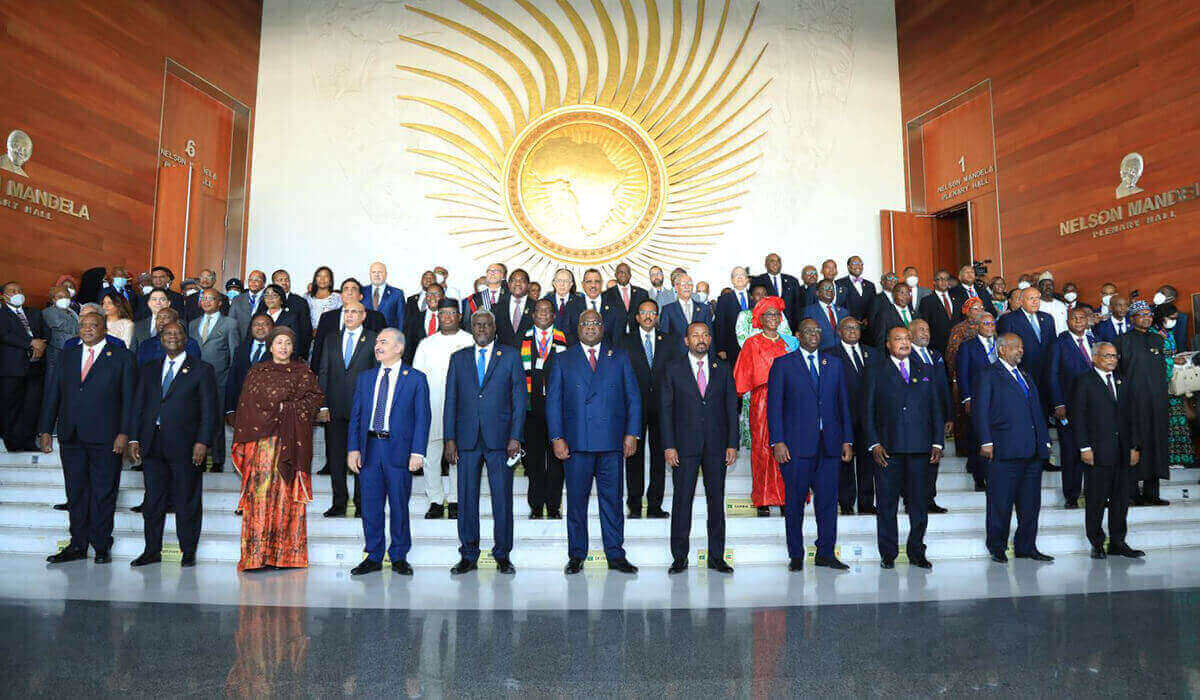
The remarks were delivered during the presentation of Letters of Credence by seven newly accredited ambassadors, including representatives from Saudi Arabia and Qatar, as Tinubu used the occasion to signal Nigeria’s alignment with Gulf Cooperation Council states, emphasizing that restraint is essential to preventing further destabilization of global markets.
At the core of the president’s message was a call for de-escalation amid rising tensions linked to recent military developments involving Iran and its regional adversaries, with Tinubu framing Nigeria’s position as one of “full solidarity” with Gulf states, not only as a political stance but as a strategic necessity tied to global maritime security.
He expressed particular concern over disruptions in the Strait of Hormuz, a critical artery for global oil shipments, where increased activity by Iran’s Islamic Revolutionary Guard Corps has heightened fears of prolonged supply chain disruptions with direct implications for energy-dependent economies such as Nigeria.
Tinubu’s reference to “recent attacks” points to a chain of retaliatory strikes following the February 28 joint U.S.-Israeli operation against Iranian targets, developments that have extended beyond immediate combat zones, with Gulf states and Jordan reporting airspace violations and drone debris incidents linked to Iranian responses.
Although former U.S. President Donald Trump has extended a ceasefire arrangement, tensions remain elevated due to the continued enforcement of a U.S. naval blockade targeting Iranian ports, which analysts say has sustained a high level of economic and military pressure across the region.
While projecting diplomatic solidarity abroad, the Nigerian government is simultaneously confronting acute economic challenges at home, as the global energy shock has sharply increased costs across critical sectors.
The aviation industry has been among the hardest hit, with jet fuel prices rising to around 3,300 naira per litre, placing domestic airlines on the brink of shutdown, as industry stakeholders warn that sustained volatility could disrupt air travel and broader economic activity.
The crisis has been compounded by delays in refinery rehabilitation projects, as key technical components have been caught in logistical bottlenecks with shipping routes diverted away from Middle Eastern corridors toward longer alternatives around the Cape of Good Hope, further straining Nigeria’s already fragile fuel supply chain.
Nigeria’s stance reflects a gradual shift in its foreign policy approach, moving beyond its longstanding commitment to non-alignment toward a more proactive posture focused on stability.
By aligning with Gulf Cooperation Council states and supporting mediation efforts, including potential initiatives involving Pakistan, Nigeria is positioning itself as a constructive actor in global peace efforts, with Tinubu indicating readiness to contribute diplomatically to easing tensions between Washington and Tehran.
In an official statement, Nigeria’s Ministry of Foreign Affairs confirmed it remains in continuous contact with diplomatic missions in Riyadh and Doha to ensure the safety of Nigerian nationals and monitor developments affecting maritime routes critical to crude oil exports.
ظهرت المقالة Nigeria Shifts Diplomatically as Middle East Tensions Trigger Economic Strain أولاً على African Percentions.