One of Africa’s biggest retail groups is closing stores despite growing sales
One of Africa’s biggest retail groups is preparing to close more than 100 stores even though its sales are still growing, a sign of how rapidly the economics of retail are changing across the continent’s most developed consumer markets.
 Black News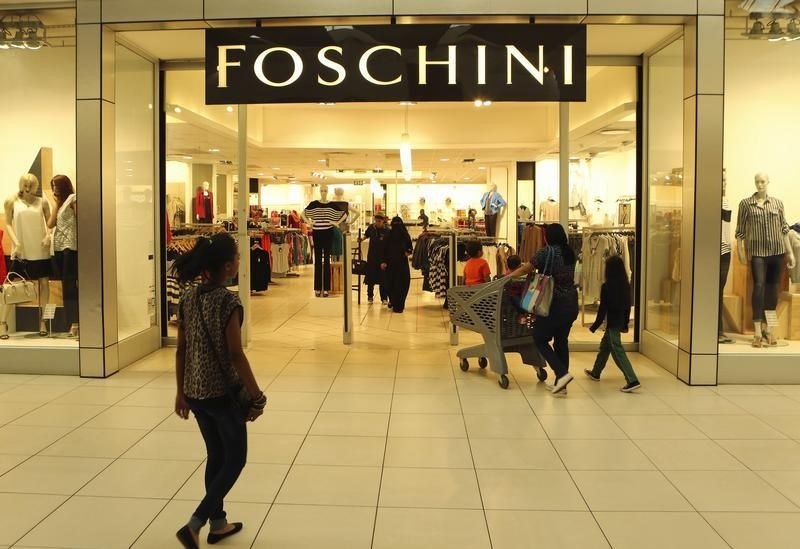
One of Africa’s biggest retail groups is preparing to close more than 100 stores even though its sales are still growing, a sign of how rapidly the economics of retail are changing across the continent’s most developed consumer markets.
- TFG plans to close more than 100 stores after identifying about 300 underperforming outlets.
- The retailer reported a 33.5% decline in annual earnings despite revenue growth.
- The move comes as rival Pepkor continues expanding its footprint and growing profits.
- The contrasting fortunes highlight a growing divide in African retail between value-focused chains and traditional fashion retailers.
TFG, the South African owner of Foschini, Sportscene, Markham, Exact, Jet and @Home, said it has identified about 300 underperforming or loss-making stores and plans to shut more than 100 of them over the next year as part of a broad restructuring programme.
The retailer announced the move alongside annual results that showed headline earnings per share fell 33.5% while operating profit dropped 36% to R3.9 billion ($238 million). Revenue, however, increased 7.2% to R62.4 billion, creating a striking contradiction: more sales, but far less profit.
The company blamed weak consumer spending, operational complexity and deteriorating trading conditions in some of its international markets.
Chief executive Anthony Thunstrom said years of acquisition-led expansion had increased complexity and diluted returns in a difficult retail environment.
As a result, management is now prioritising simplification, lower costs and improved store productivity over further expansion.
The announcement stands out because it comes at a time when some of South Africa’s other major retailers are reporting a very different story.
Just over a week earlier, Pepkor, owner of PEP and Ackermans, reported a 13.2% rise in revenue to R54.8 billion and a 10.3% increase in headline earnings.
The discount retailer expanded its footprint to more than 6,600 stores, opened new outlets and unveiled plans to launch a bank in 2027 as part of a broader push into financial services.
The contrast shows an increasingly important divide in African retail.
Retailers focused on value-conscious consumers continue to benefit from households trading down to cheaper products amid years of economic pressure.
Chains such as Pepkor have gained market share by serving lower-income shoppers looking for affordability.
Fashion retailers positioned higher up the value chain have found conditions more challenging as consumers become more selective about discretionary spending.
TFG’s difficulties also reflect a broader shift in how consumers shop. During its earnings presentation, the company highlighted the growing importance of its Bash e-commerce platform, which generated more than R3.2 billion in revenue during the year.
Management noted that the platform now generates sales equivalent to more than 300 physical stores, underscoring how digital channels are increasingly competing with traditional retail locations.
The company believes online growth can help offset pressure in physical stores while allowing it to expand without the capital costs associated with opening new outlets.
The restructuring also comes amid wider pressure on South African fashion retailers.
Earlier this year, Truworths warned that weak consumer spending had hurt sales in its African operations despite the key festive trading season.
For investors, the store closures may be less a sign of retreat than a recognition that scale alone is no longer enough.
Retailers are increasingly being judged on the productivity of each store, the strength of their digital operations and their ability to adapt to changing consumer behaviour.
TFG’s decision to close more than 100 stores suggests management believes future growth will come from a smaller, more efficient network supported by stronger online sales rather than from simply adding more physical locations.