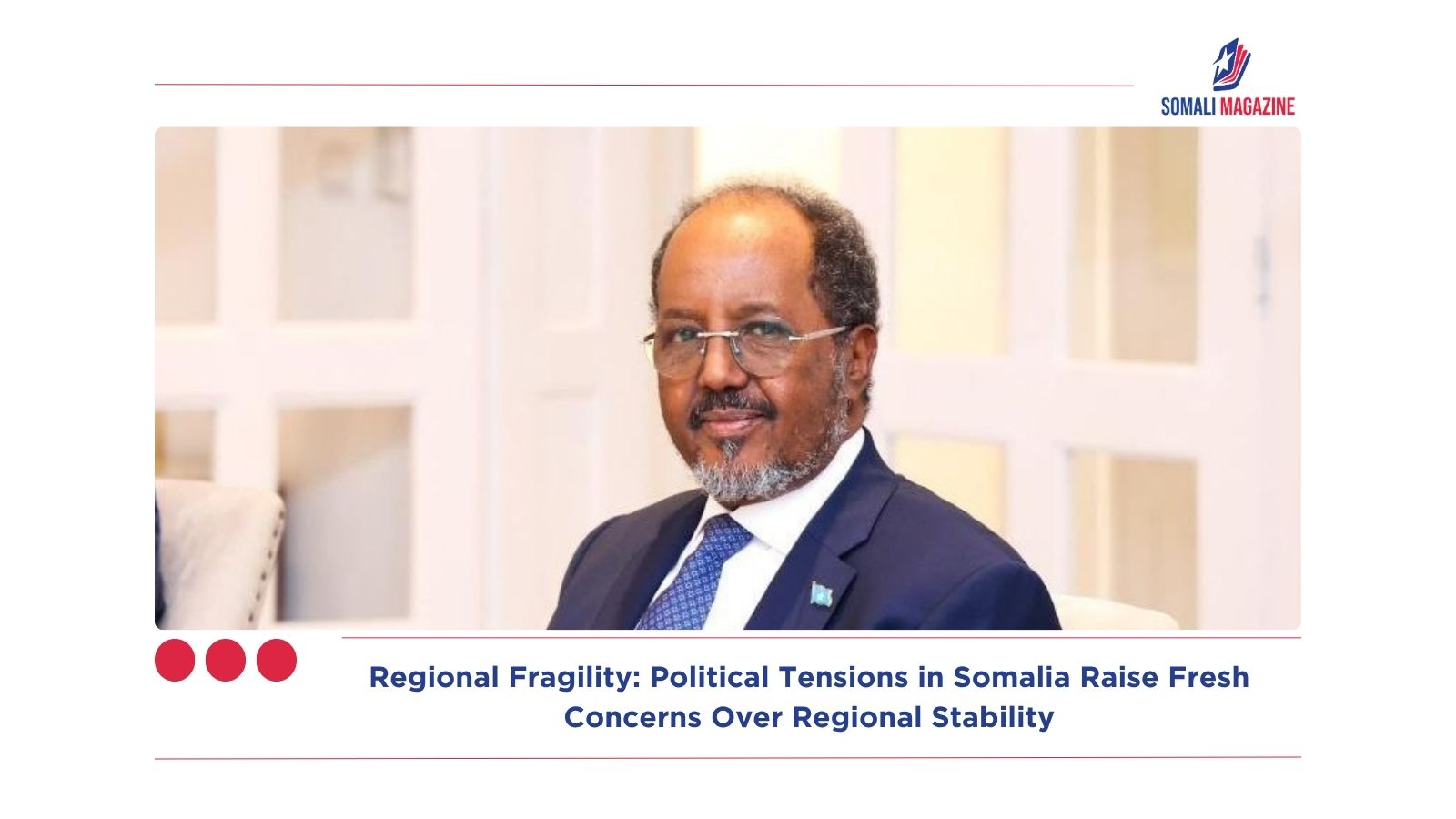
Political tensions in Somalia raise fresh concerns over regional stability following intense street battles in Mogadishu, pushing the fragile Horn of Africa nation into a severe constitutional crisis. The recent outbreak of violence erupted after President Hassan Sheikh Mohamud chose to remain in office beyond the expiration of his official mandate, relying on controversial constitutional amendments passed by parliament to extend his term by a year. The unilateral mandate extension has drawn fierce condemnation from opposition coalitions and several Federal Member States, fracturing the delicate domestic consensus required to maintain security. As heavy artillery and mortar rounds impact densely populated civilian sectors, international observers warn that the deep-seated political fragmentation poses a direct threat to global peacebuilding initiatives and risks undoing years of hard-won stabilization milestones across the wider territory.
The rapid deterioration of the security landscape has turned key metropolitan sectors into highly volatile battlefields, forcing thousands of civilians to flee their homes. Heavy fighting has been concentrated across major thoroughfares like the Maka al-Mukarama road, where government forces have engaged in direct exchanges of fire with heavily armed militias allied with prominent opposition figures.
-
The Catalyst: Constitutional amendments passed in March 2026 extended presidential and parliamentary terms from four to five years, postponing national elections until 2027.
-
The Opposition Response: Leaders of the opposition bloc have openly declared the extension an illegal “constitutional coup,” setting up defensive strongholds in their respective clan territories.
-
High-Profile Standoffs: Former President Sharif Sheikh Ahmed publicly accused state forces of encircling and attacking his private residence, vowing to fight back against what he terms unlawful executive overreach.
Beyond the immediate urban unrest, the domestic breakdown severely compromises the long-term containment of transnational security threats, specifically limiting the state’s capacity to counter the al-Shabaab insurgency. Security analysts point out that as federal troops are pulled from frontline positions to secure the capital, the insurgent group is actively exploiting the governance vacuum to recapture rural territories. Furthermore, the operational strain arrives precisely as the African Union Support and Stabilization Mission in Somalia (AUSSOM) navigates severe funding shortfalls and complex transitional mandates. Local municipal authorities fear that without an immediate return to structured political dialogue, the military gridlock will permanently stall regional infrastructure development and halt crucial cross-border trade corridors.
The unfolding institutional deadlock has prompted urgent de-escalation demands from the United Nations, the African Union, and key Western diplomatic missions. Joint international statements emphasize that preserving democratic integrity and respecting established statutory timelines are essential prerequisites for sustaining foreign direct investment and humanitarian aid pipelines. As clan elders attempt to mediate temporary ceasefires between the warring factions in Mogadishu, the broader political apparatus remains deeply divided over the legitimacy of the centralized authority. With the socio-political stability of the entire Horn of Africa hanging in the balance, international monitors continue to stress that a negotiated electoral framework is the only viable pathway to avert a prolonged regional conflict.


 Black News