Seamoss project expands opportunities for women and youth
The Empowering Youth and Women in the Seamoss Industry project is focusing on creating opportunities for women and young people to actively participate and benefit from roles within the seamoss sector. Funded by the British High Commission and facilitated through the Eau Piquant Seamoss Farmers Association, a key component of the initiative enabled a group […] The article Seamoss project expands opportunities for women and youth is from St. Lucia Times.
 Black News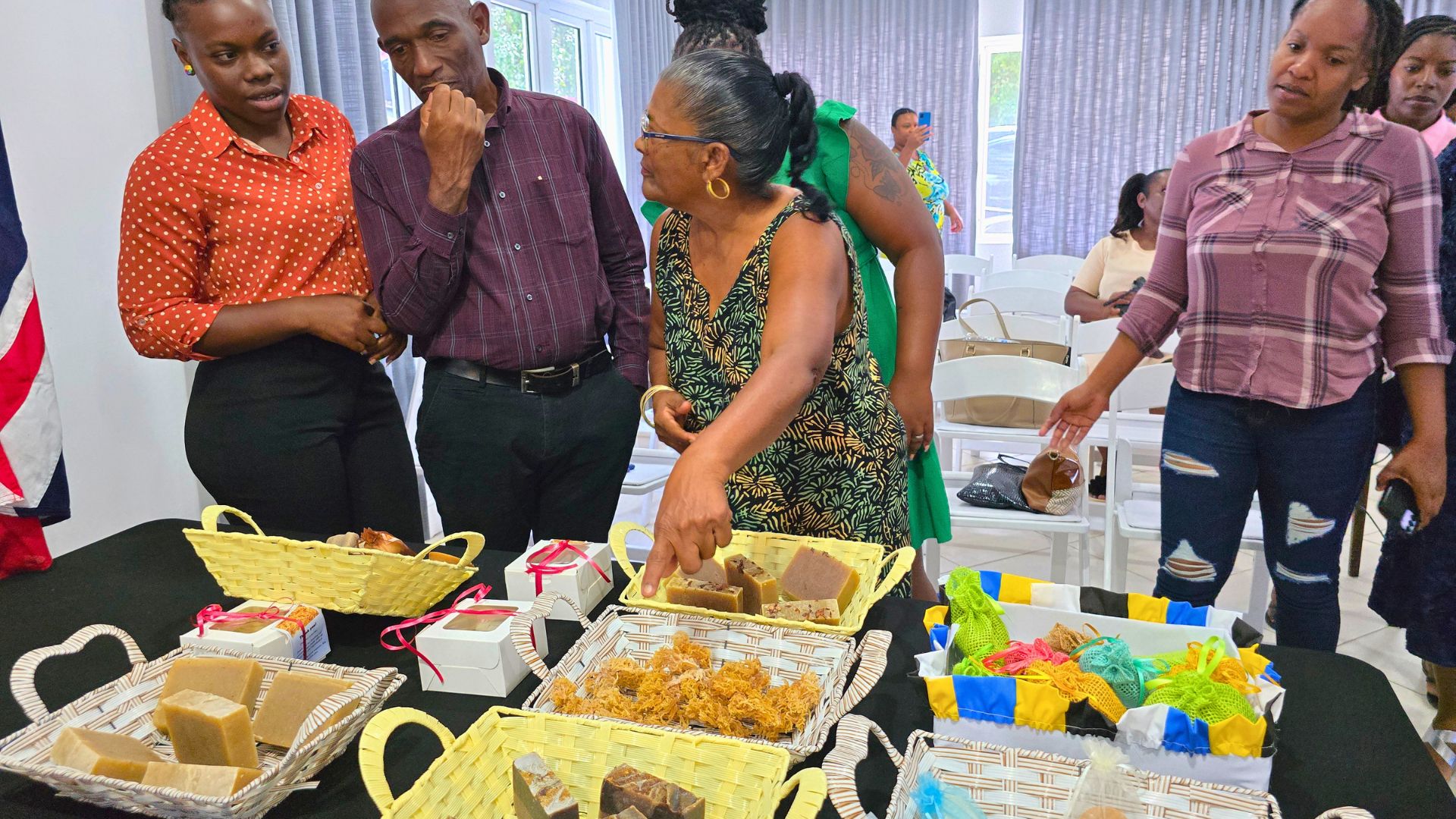


The Empowering Youth and Women in the Seamoss Industry project is focusing on creating opportunities for women and young people to actively participate and benefit from roles within the seamoss sector.
Funded by the British High Commission and facilitated through the Eau Piquant Seamoss Farmers Association, a key component of the initiative enabled a group of women to develop skills in transforming seamoss into natural-based skincare products.
At a ceremony marking the project’s completion, Claudia Clovis-David, one of the participants who learned to make soap from seamoss and other natural ingredients, described the positive impact on her daily life. Clovis-David told St. Lucia Times, “I’m a stay-at-home mom, so I will be able to do the soaps, and during the curing process, I’ll be able to make other batches. It’s something that’s flexible, allowing me to be with my family and generate an income at the same time.”
Having previously been an active seamoss farmer until she suffered a haemorrhagic stroke, she said the project has provided her with an additional avenue to remain engaged in the industry.
“I enjoy working with seamoss. It has a lot of great benefits, so I’m happy for this opportunity to interact with seamoss again,” Clovis-David said.
The project also targeted secondary school students, introducing them to professional marketing techniques for seamoss products. Through a partnership with the Beanfield Secondary School, form three students participated in a competition to design logos for potential seamoss products – an approach organisers say can plant early seeds of interest and serve as a gateway to future participation in the industry.
Efforts to improve accessibility within the sector were also undertaken. Resting stations were installed in the ocean near seamoss farming areas, allowing those unable to swim to farm more comfortably.
Brian Walker, vice president of the Eau Piquant Seamoss Farmers Association, said the project’s success lay in its ability to create space for creativity and entrepreneurship within the sector, attributing part of that success to the association’s inclusion in both the planning and execution of the initiative.
“This project allowed us to be directly involved in the implementation and planning stage where funding monies were used, and that gives us a level of ownership of what we do and appreciation for the industry as a whole,” he said before thanking the High Commission.
Resident British Commissioner Doyin Adele-Shiyanbola expressed admiration for the project’s outcomes, particularly in product development.
“I heard about how some of the women are already selling their products, and how they wanted to take it to a different level and market it not just in Saint Lucia but globally. I found that really inspiring,” she said.
Workshop participants plan to pursue wider market opportunities as their businesses launch.
The article Seamoss project expands opportunities for women and youth is from St. Lucia Times.