Senegal takes over massive 25 trillion cubic feet Yakaar-Teranga gas field following US firm withdrawal
Senegal has moved to assume full control of its strategic Yakaar-Teranga gas project following an agreement for the withdrawal of US-based Kosmos Energy, marking a significant shift in the country’s upstream energy landscape.
 Black News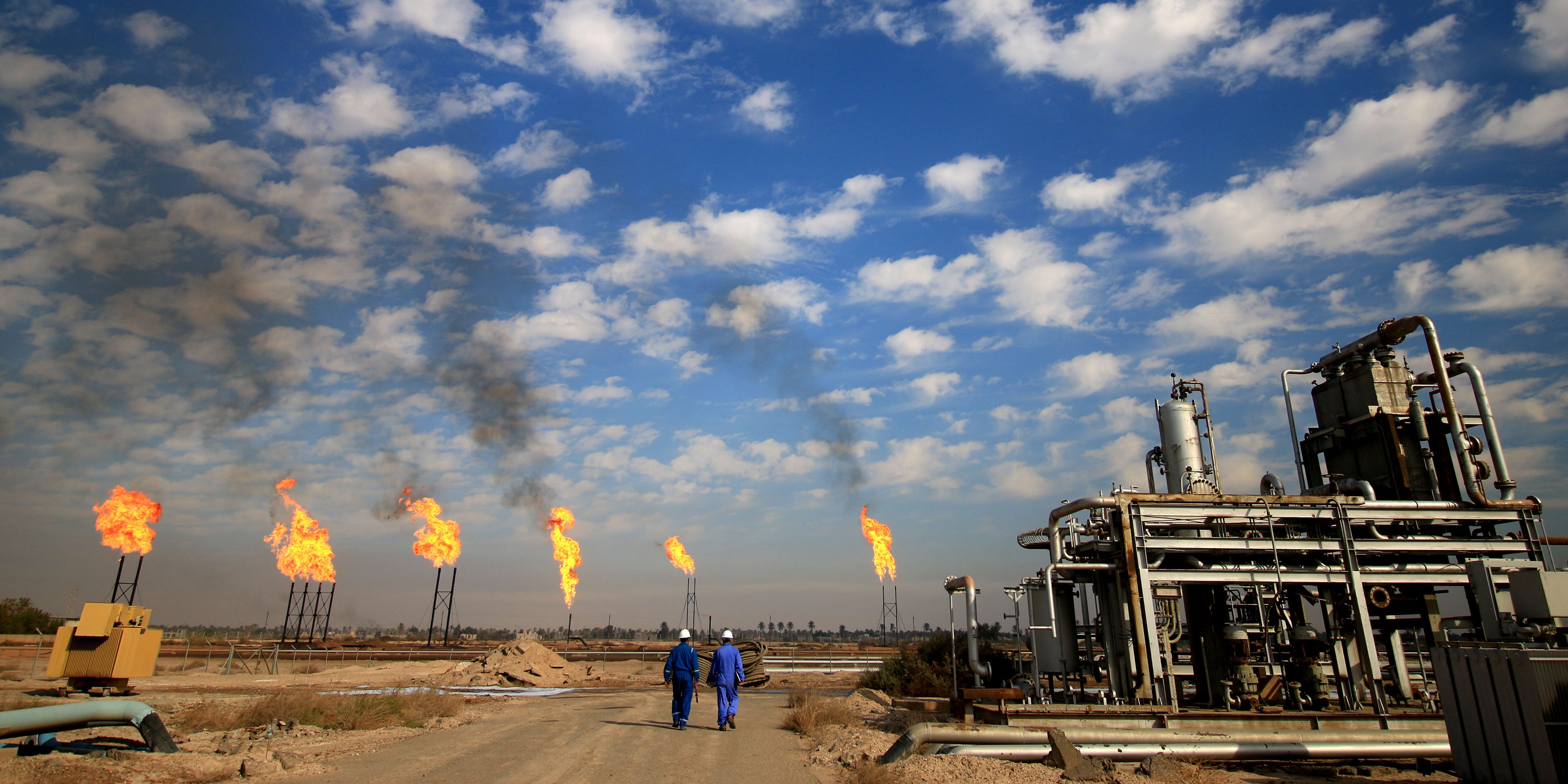
Senegal has moved to assume full control of its strategic Yakaar-Teranga gas project following an agreement for the withdrawal of US-based Kosmos Energy, marking a significant shift in the country’s upstream energy landscape.
- Senegal has assumed full control over the Yakaar-Teranga gas project following Kosmos Energy's withdrawal without financial compensation.
- The exploration licence for the project will be transferred exclusively to PETROSEN, the state-owned oil company.
- Yakaar-Teranga is one of Senegal’s largest deepwater gas assets, with estimated recoverable resources of 25 trillion cubic feet of gas.
- The project is central to Senegal’s hydrocarbon strategy, supporting industrialisation, domestic energy supply, and LNG exports.
Prime Minister Ousmane Sonko announced that the agreement allows the Senegalese state to take over development of the project without financial compensation to Kosmos Energy.
Under the arrangement, the exploration licence will be transferred exclusively to the state-owned oil company PETROSEN through a ministerial order.
The Yakaar-Teranga field, located in the Cayar Offshore Profond block north of Dakar, is one of Senegal’s most important deepwater gas assets, with estimated recoverable resources of around 25 trillion cubic feet of gas.
It is central to the country’s broader hydrocarbons strategy alongside the Sangomar oil field and the Greater Tortue Ahmeyim LNG project.
Senegal outlines strategic direction for Yakaar-Teranga at MSGBC Summit
At the MSGBC Oil, Gas & Power Summit held in Dakar on December 10, 2025, Senegal’s Ministry of Energy, Petroleum and Mines outlined its policy approach to the Yakaar-Teranga project, stating in an official communiqué that its strategy “does not in any way imply nationalisation” of the asset.
The statement at the time reaffirmed Kosmos Energy as a strategic partner and indicated that PETROSEN would assume the licence upon its scheduled expiry in July 2026, in line with existing contractual provisions.
It emphasised continuity, investor confidence, and respect for agreements as the guiding principles of Senegal’s upstream policy framework.
However, the policy framing has since been accompanied by stronger political language from within government.
In a separate public remark reported by Reuters, Energy Minister Birame Souleye Diop later said Senegal “wants to nationalise” the project and entrust PETROSEN with its development to meet domestic gas needs, highlighting a more assertive state-control orientation alongside the formal contractual transition timeline.
The licence for the block was originally structured to remain valid until July 2026, at which point PETROSEN was expected to assume control under existing contractual provisions if no alternative development structure was agreed.
Kosmos Energy exits project under agreement with Senegal
Kosmos Energy has since confirmed its withdrawal from the Yakaar-Teranga project under an agreement with the Senegalese government, with no financial compensation involved.
The arrangement effectively ends its 90% operating stake in the field, leaving PETROSEN as the sole operator.
The company had previously indicated that it could exit the block if no commercially viable development plan or suitable partnership structure was secured, reflecting ongoing challenges in advancing the project toward final investment decisions.
The agreement now places full control of one of Senegal’s largest gas discoveries under state management, giving PETROSEN authority over development timelines, investment strategy, and monetisation plans.
Authorities view Yakaar-Teranga as a cornerstone of future industrialisation, domestic energy supply, and LNG export ambitions, given its scale and strategic offshore location.
However, analysts caution that while greater state control strengthens resource sovereignty, it also increases pressure on state capacity to mobilise financing, technical expertise, and execution capability for a complex deepwater project.
The key challenge for Senegal is now execution—transforming a vast offshore gas resource into sustained production and long-term economic value.