South Africa's 158-year-old diamond mine is looking for new buyers to save it from extinction
South Africa’s Ekapa Diamond Mine, one of the country's oldest and most iconic mining assets, has entered liquidation proceedings following a combination of market pressures and tragic events earlier this year.
 Black News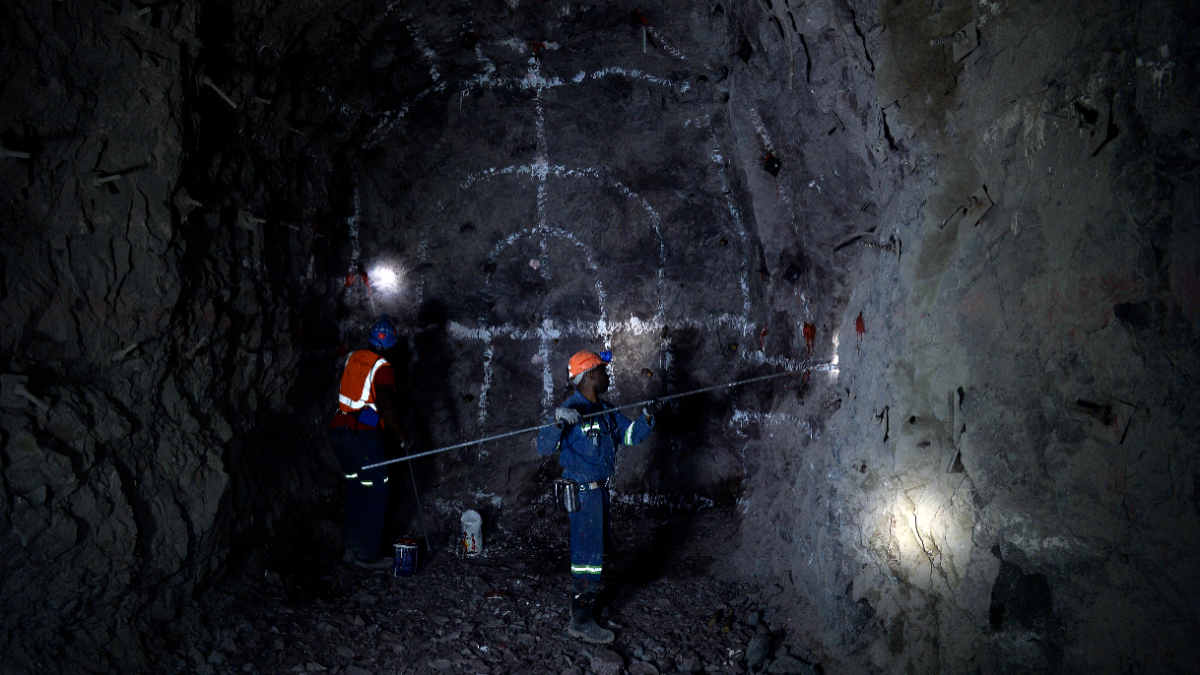

South Africa’s Ekapa Diamond Mine, one of the country's oldest and most iconic mining assets, has entered liquidation proceedings following a combination of market pressures and tragic events earlier this year.
- Ekapa Diamond Mine in South Africa has entered liquidation after severe financial challenges and a fatal mudslide incident earlier this year.
- The 158-year-old mine faced declining global diamond demand, increasing competition from synthetic diamonds, and industry tariffs.
- Efforts to shift operations to higher-grade kimberlite deposits were halted when a mudslide made key shafts inaccessible, requiring expensive restoration.
- The liquidation threatens approximately 1,000 jobs and liquidators are actively seeking buyers to potentially restart operations if market conditions improve.
The joint provisional liquidators of Ekapa Minerals and Ekapa Resources have officially launched a formal process to sell the 158-year-old asset, marking the end of an era for the Kimberley-based mine.
In February, Ekapa announced it would be closing its doors, citing severe financial challenges exacerbated by a global downturn in the diamond market.
The mine also faced a catastrophic incident when five workers were trapped underground following a mudslide in one of its shafts.
While the company initially continued its search efforts, it later confirmed that the workers were presumed dead.
The company’s decision to apply for liquidation reflects the culmination of over 18 months of mounting pressure on the global diamond industry, which has struggled with declining demand, rising competition from synthetic diamonds, and tariffs.
Ekapa’s attempt to shift its focus toward higher-grade kimberlite rocks, particularly at its Du Toitspan shaft, was abruptly halted after the mudslide rendered the shaft inaccessible.
According to Ekapa, restoring access to the shaft will take between 10 and 18 months, requiring significant capital investment, which the company has been unable to secure.
The liquidators, however, are still determined to find a buyer who might be able to resurrect operations and preserve the mine’s core assets.
Financial Strain and Industry Pressures
The Ekapa Diamond Mine, located in South Africa’s Northern Cape, has long been a key player in the country’s mining sector.
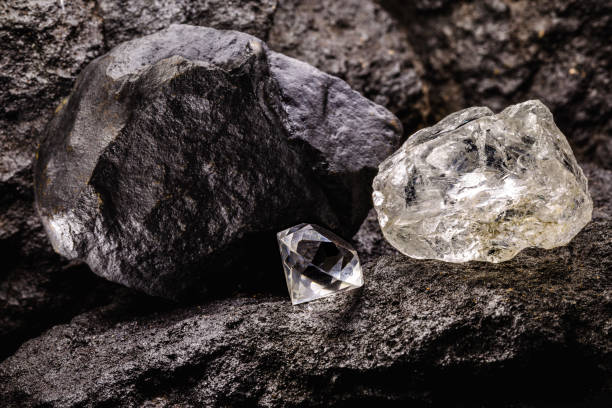
Its extensive assets include the Du Toits Pan, Bultfontein, and Wesselton kimberlite pipes, part of Kimberley’s historic “Famous Five” diamond cluster.
These resources have helped to maintain the mine’s status as an important industry contributor despite the challenges it has faced.
However, the shaft collapse earlier this year proved to be a tipping point.
With the mine already battling financial difficulties, including the global market downturn, the liquidation proceedings became inevitable.
Approximately 1,000 jobs could be at risk if the sale does not go through, which further underscores the social and economic stakes tied to the mine’s future.
According to local reports, the liquidators have partnered with Park Village Auctions and WH Auctioneers to facilitate the sale of the Ekapa Diamond Mine.
They are reaching out to both domestic and international investors, offering interested buyers the opportunity to acquire mining rights and core infrastructure, with the possibility of restarting operations within 90 days if market conditions improve.
Struggles in the South African Diamond Sector
The South African diamond mining sector has already seen several companies, including major players like Sibanye-Stillwater and Harmony Gold, struggle to maintain profitability amid an industry-wide decline.
In recent years, several South African gold and diamond mines have either reduced output or been mothballed as the costs of extraction rise and market conditions become increasingly difficult.
Richard Pollock, representing the joint provisional liquidators, acknowledged the challenges potential buyers face. “We are under no illusion as to the difficulty of securing a suitable buyer, given the current pressures in the global diamond market,” Pollock said.
The growing prevalence of synthetic diamonds, which are often cheaper to produce, has been a major factor in the decline of traditional diamond operations.