Suez Canal traffic jumps nearly 30% as Strait of Hormuz disruption pushes more oil shipments through Egypt
Egypt's Suez Canal is experiencing an unexpected revival as disruptions in the Strait of Hormuz push more energy shipments toward the Red Sea route, providing a much-needed boost to one of the country's most important sources of foreign exchange.
 Black News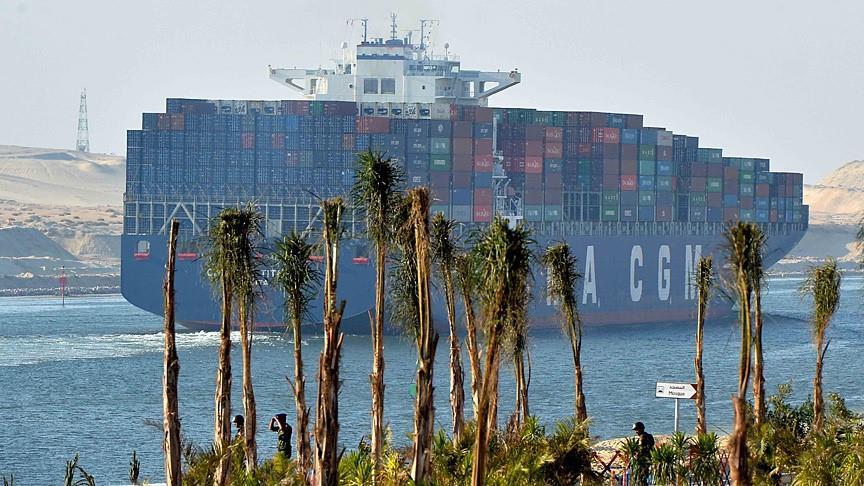

Egypt's Suez Canal is experiencing an unexpected revival as disruptions in the Strait of Hormuz push more energy shipments toward the Red Sea route, providing a much-needed boost to one of the country's most important sources of foreign exchange.
- The Suez Canal has seen a sharp rise in traffic as disruptions in the Strait of Hormuz push more energy shipments toward the Red Sea.
- April saw 529 oil tankers transit the canal, a 28% increase from the previous year, with total vessel numbers also up 14%.
- Suez Canal revenues surged 27% year-on-year to $419 million, reaching their highest level since early 2024.
- Despite the recent recovery, canal activity remains well below pre-crisis levels, with April vessel numbers nearly half those recorded in 2023.
Egypt's Suez Canal is experiencing an unexpected revival as disruptions in the Strait of Hormuz push more energy shipments toward the Red Sea route, providing a much-needed boost to one of the country's most important sources of foreign exchange.
New data from Egypt's state statistics agency, CAPMAS, shows that the number of oil tankers crossing the canal rose sharply in April, helping drive canal revenues to their highest level since early 2024.
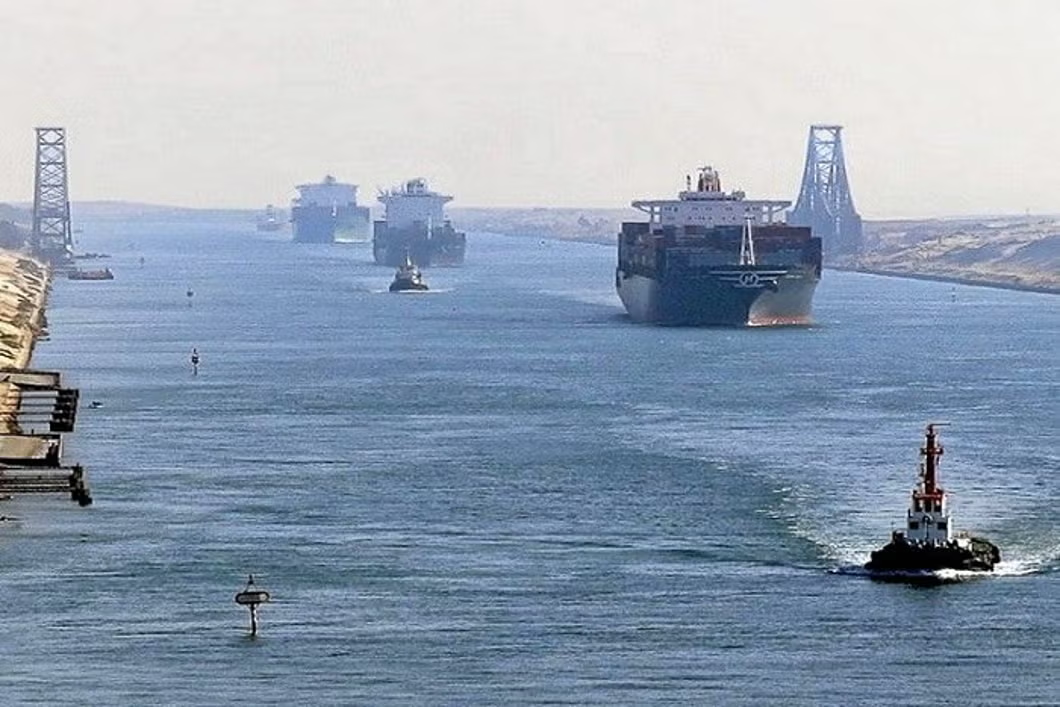
A total of 529 oil tankers transited the waterway during the month, a 28% increase compared to the same period last year. Overall traffic also improved, with 1,182 vessels of all types passing through the canal, up 14% year-on-year, per Bloomberg.
Oil flows shift
The increase comes amid major disruptions to global energy trade following the closure of the Strait of Hormuz, one of the world's most strategic maritime chokepoints.
Before the conflict involving Iran escalated earlier this year, roughly one-fifth of the world's crude oil and liquefied natural gas exports moved through the narrow waterway connecting the Persian Gulf to global markets. With traffic severely restricted, major producers have been forced to seek alternative routes.
Revenue rebound
The shift in shipping patterns is beginning to show up in Egypt's finances.
Suez Canal revenues reached $419 million in April, representing a 27% increase from a year earlier and marking the strongest monthly performance since the Houthis intensified attacks on commercial shipping in the Red Sea in early 2024.
The canal remains a crucial pillar of Egypt's economy alongside tourism, remittances, and natural gas exports. However, authorities estimate that disruptions linked to Red Sea insecurity have cost the country at least $9 billion in lost revenue over the past two years.
Still below pre-crisis levels
Despite the recent recovery, canal activity remains far below historical norms. CAPMAS data shows that more than 2,300 vessels crossed the Suez Canal in April 2023, nearly double the current volume.
Analysts say a full recovery would provide a significant economic boost for Egypt, helping narrow its current-account deficit and strengthen foreign currency reserves at a time when the country continues to face external financing pressures. For now, however, the turmoil reshaping global energy routes is offering Egypt a rare economic silver lining.