The U.S. and West Africa's three-nation Sahel Alliance are united on one issue: rejecting the world's top war crimes court
The International Criminal Court (ICC), the world's top war crimes court, is facing fresh scrutiny after two unlikely actors - the United States and West Africa's three-nation Alliance of Sahel States (AES) - moved within days of each other to reject its authority
 Black News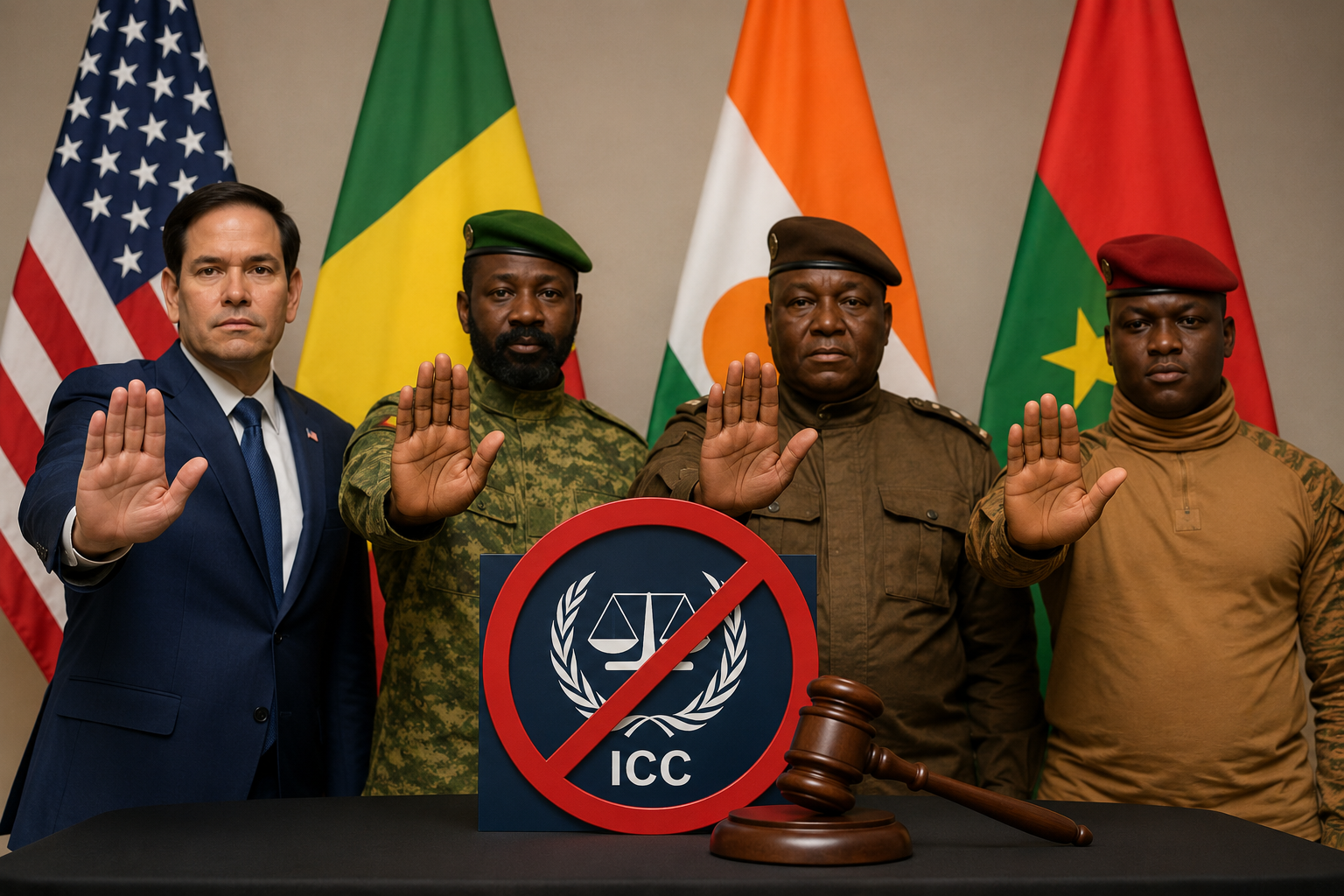

The International Criminal Court (ICC), the world's top war crimes court, is facing fresh scrutiny after two unlikely actors - the United States and West Africa's three-nation Alliance of Sahel States (AES) - moved within days of each other to reject its authority
- The United States and the Alliance of Sahel States (AES) have recently challenged the authority of the International Criminal Court (ICC).
- The U.S. rejects ICC jurisdiction over its citizens, citing that it is not party to the Rome Statute and questioning the court's legitimacy.
- The AES - comprising Burkina Faso, Mali, and Niger - began the process of formally withdrawing from the ICC, labeling it a tool of neocolonial repression.
- The ICC's governing body warned that withdrawals could undermine global efforts against impunity.
Within days of each other, the United States and West Africa's three-member Alliance of Sahel States (AES) have moved to reject the court's authority, reigniting debate over the reach and legitimacy of the world's permanent war crimes tribunal.
While Washington and the AES bloc - which comprises Burkina Faso, Mali and Niger - arrived at their positions through different legal and political paths, both are ultimately pushing back against the ICC's jurisdiction.
DON'T MISS THIS: Junta-led Burkina Faso, Mali and Niger begin exit from the International Criminal Court, deepening break with Western institutions
The development comes at a sensitive moment for the Hague-based court, which has increasingly found itself at the center of geopolitical disputes even as it continues to pursue its mandate of prosecuting genocide, crimes against humanity, war crimes and the crime of aggression.
Different legal arguments, same destination
In a letter addressed to ICC President Judge Tomoko Akane, Acting U.S. Attorney General Todd Blanche declared that the United States rejects any assertion of ICC jurisdiction over American citizens.
According to Blanche, the United States is not a party to the Rome Statute - the treaty that established the ICC - and therefore cannot be bound by its provisions.
"The ICC has acted in an increasingly lawless and illegitimate manner," Blanche wrote, arguing that the court's actions raise questions about its impartiality and credibility.
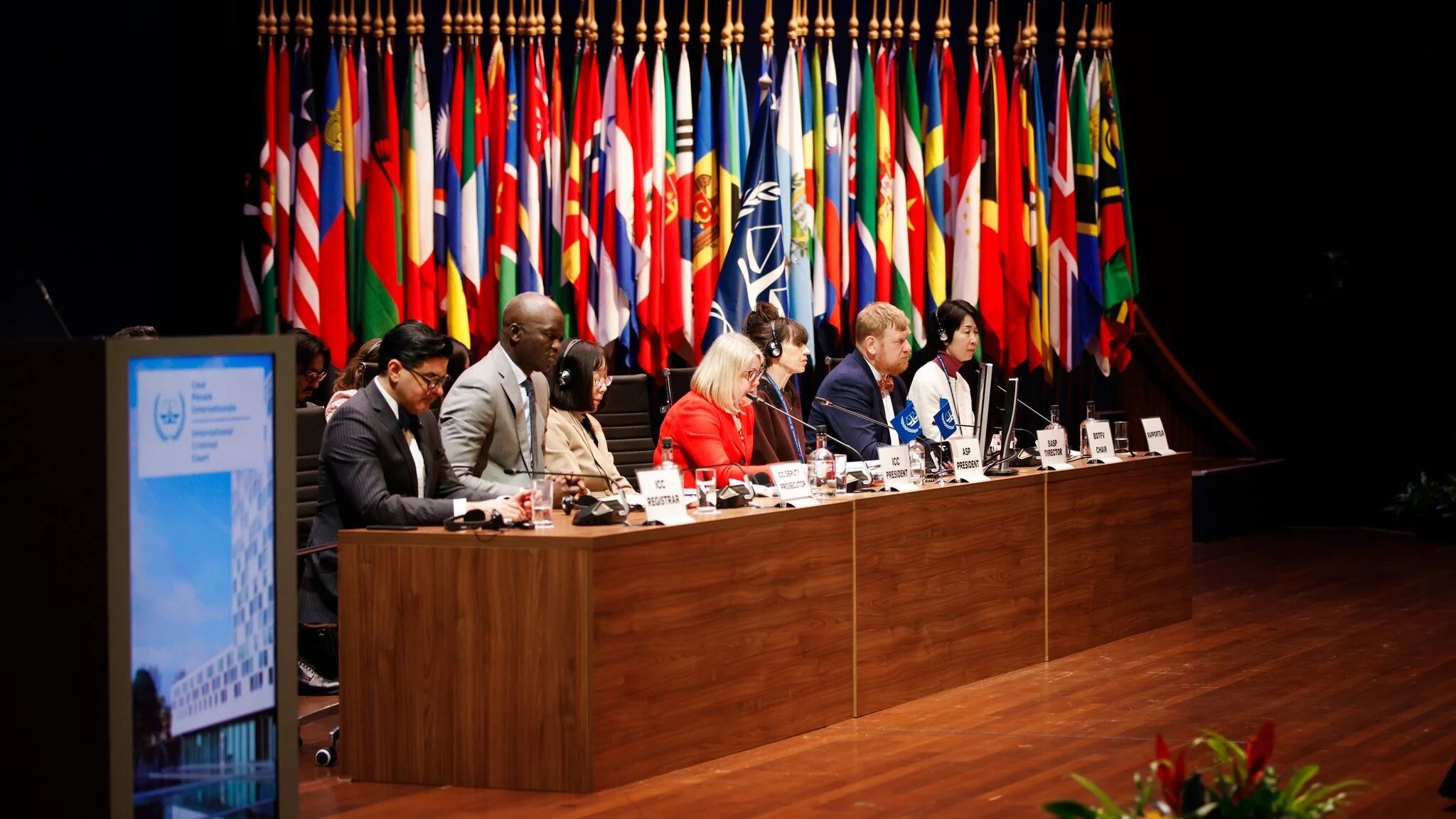
The Justice Department further stated that the United States would not cooperate with any ICC investigation, inquiry, summons or proceeding involving U.S. citizens. It also said Washington would oppose efforts by other countries to extradite Americans to the court.
The U.S. position is rooted in the American Servicemembers' Protection Act of 2002, which rejects ICC jurisdiction over U.S. personnel and authorizes the president to take measures to secure the release of any American detained under an ICC warrant.
The AES states have taken a different route.
Unlike the United States, Burkina Faso, Mali and Niger were members of the ICC. However, the military-led governments formally submitted withdrawal letters to the court's governing body, initiating the one-year process of leaving the Rome Statute.
The three governments have described the ICC as "a tool of neocolonial repression," arguing that it has failed to deliver impartial justice.
Their withdrawal comes as all three countries continue to battle Islamist insurgencies that have destabilized large parts of the Sahel region.
Human rights organizations have accused both militant groups and state security forces in some of these countries of committing possible atrocities.
A test of the ICC's authority
The ICC's governing body has warned that the AES withdrawal could undermine international efforts to combat impunity and weaken the pursuit of justice for victims of serious crimes.
It also stressed that withdrawal from the Rome Statute does not erase obligations incurred while a country was still a member, meaning ongoing legal responsibilities may remain in force.
Yet the simultaneous pushback from the United States and the AES highlights a broader challenge facing the court: its effectiveness depends heavily on state cooperation.
DON'T MISS THIS: Military-led African state becomes the third country to exit the International Criminal Court
The ICC has more than 120 member states, but it lacks its own enforcement mechanism and relies on countries to arrest suspects, execute warrants and support investigations.
The latest developments do not mean the court is losing its legal mandate. However, they do underscore growing resistance to international judicial oversight from governments that argue issues of sovereignty and national jurisdiction should take precedence.
For the ICC, the challenge is increasingly not just about law, but about maintaining the political support needed to enforce it.
As more states question its authority - whether from outside the Rome Statute or from within its former membership, the court may find itself defending not only its decisions, but also its relevance in an increasingly fragmented international order.