What Science Actually Says About Penis Size, Growth, and Sexual Satisfaction
*When it comes to penis size, perception and reality rarely line up. Medical research consistently shows that most men fall within a fairly predictable range, and data suggests that assumptions about what is normal are frequently inflated, according to Very Well Health. Multiple large-scale medical studies put the average erect penis at around 5.45 inches […] The post What Science Actually Says About Penis Size, Growth, and Sexual Satisfaction appeared first on EURweb | Black News, Culture, Entertainment & More.
 Black News

*When it comes to penis size, perception and reality rarely line up. Medical research consistently shows that most men fall within a fairly predictable range, and data suggests that assumptions about what is normal are frequently inflated, according to Very Well Health.
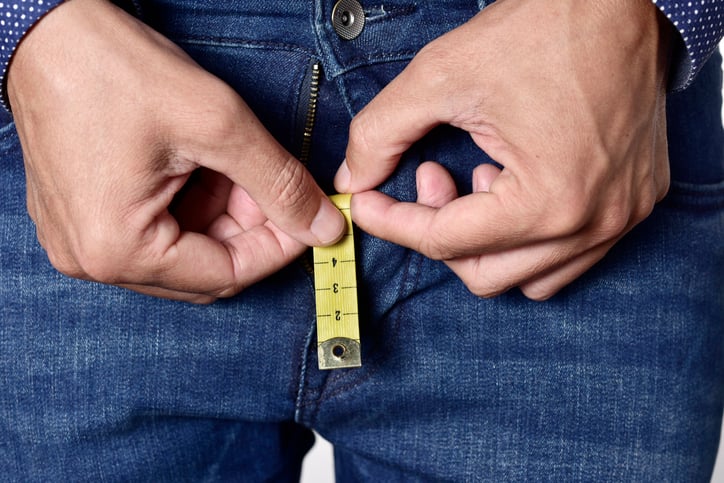
Multiple large-scale medical studies put the average erect penis at around 5.45 inches long with a girth of approximately 4.69 inches. In a flaccid state, the typical length comes in near 3.63 inches, with girth averaging close to 3.58 inches. Researchers have noted a recurring gap between self-reported figures and clinically measured ones, with men’s own estimates consistently running higher than those recorded by healthcare providers.
Of all the variables at play, genetics carries the most weight. Penis length has been connected to the X chromosome passed down from the mother, and research has found that taller men generally have longer measurements in both flaccid and erect states. Testosterone is the primary driver of growth, which tends to kick in during early adolescence, ramp up through the mid-teen years, and reach its endpoint somewhere around age 21. Disruptions during that window — whether from poor childhood nutrition, prenatal toxin exposure including BPA, or contact with endocrine-disrupting chemicals — can alter the course of development.
Certain health and lifestyle factors also come into play. Men who smoke heavily may see reductions in size in both states, a consequence tied to reduced circulation rather than tissue changes. Carrying excess weight has a similar dampening effect, connected in part to the lower testosterone levels commonly seen in men whose BMI exceeds 30. Peyronie’s disease, which causes the penis to curve abnormally, has been documented to reduce length by up to half an inch in some cases.
Sexual satisfaction research puts size in perspective. Women consistently point to factors like emotional closeness, communication, and technique as having far greater influence on their experience than measurements. When size does factor in, girth tends to draw more attention than length, with a notably higher share of women across studies identifying it as relevant to their pleasure.
MORE NEWS ON EURWEB.COM: Average Length Of An ‘Erect Penis’ Has Increased Over Past Three Decades
Sign up for our Free daily newsletter HERE
The post What Science Actually Says About Penis Size, Growth, and Sexual Satisfaction appeared first on EURweb | Black News, Culture, Entertainment & More.