World’s second-largest cocoa producer targets UAE, Saudi buyers as global cocoa market heads toward $26.2 billion
Ghana has secured offtake commitments from buyers in the United Arab Emirates and Saudi Arabia for semi-finished cocoa products, opening a new Gulf route for Africa’s second-largest cocoa producer as it seeks to shift more export earnings from raw beans to processed cocoa in a global cocoa market projected to reach $26.2 billion by 2035.
 Black News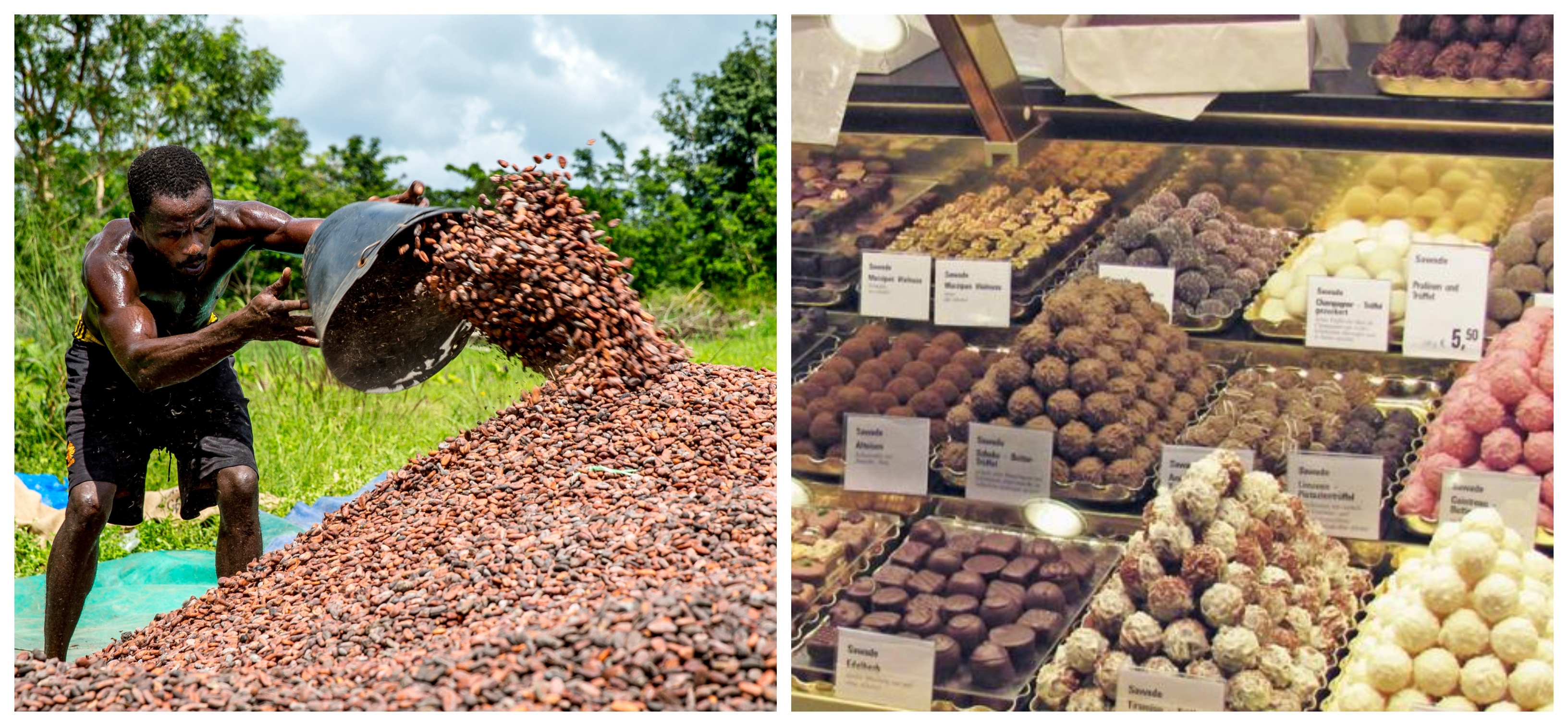

Ghana has secured offtake commitments from buyers in the United Arab Emirates and Saudi Arabia for semi-finished cocoa products, opening a new Gulf route for Africa’s second-largest cocoa producer as it seeks to shift more export earnings from raw beans to processed cocoa in a global cocoa market projected to reach $26.2 billion by 2035.
- Ghana has secured offtake agreements with the UAE and Saudi Arabia for semi-finished cocoa products, expanding export options beyond raw be ans.
- The deals, signed in July 2026, cover cocoa liquor, butter, cake, and powder, though specific values and volumes were not disclosed.
- The agreements align with Dubai’s ambitions in cocoa trading and meet Saudi Arabia’s growing need for cocoa ingredients in its food industry.
- If sustained, these offtake agreements could help Ghana capture more value from the cocoa sector, diversify its buyer base, and strengthen Africa's industrial export capabilities.
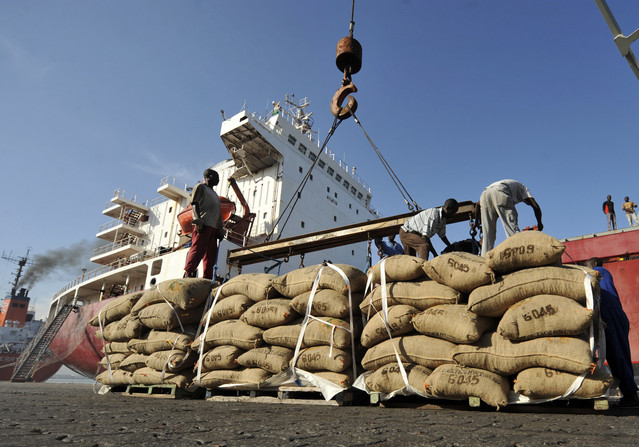
The agreements, signed on July 7, 2026, cover cocoa liquor, cocoa butter, cocoa cake and cocoa powder, according to Cocoa Marketing Company Ghana Limited.
However, the company did not disclose the value of the deals, the agreed volumes, or the share of Gulf demand that Ghana is expected to supply.
According to CMC, the commitments followed engagements led by its Managing Director, Dr Wisdom Dogbey, as the company works to diversify Ghana’s cocoa export destinations and strengthen its position in the global cocoa value chain.
Deal Comes As Cocoa Market Faces Pressure
The deal comes as Ghana and Ivory Coast, which together produce about half of the world’s cocoa, face pressure from volatile prices, weaker demand from chocolate makers, crop disease, ageing trees, illegal mining and payment delays to farmers.
In Ghana, the pressure has been particularly visible in 2026 after global buyers slowed purchases, leaving about 50,000 tonnes of beans unsold.
The country also cut its fixed farmgate price earlier in the year, underlining the strain on a sector that accounts for about 15 percent of national export revenue, even as cocoa paste remained Ghana’s single largest export earner in 2025, generating $789.3 million.
Against that backdrop, the Gulf commitments give Ghana a clearer outlet for processed cocoa at a time when the government is seeking to raise local processing to at least 50 percent of production.
Dubai Seeks A Bigger Cocoa Role
In the UAE, the deal aligns with Dubai’s plan to expand from commodity trading into cocoa processing, storage, financing and distribution, as global demand shifts towards higher-value cocoa and chocolate products.
The Dubai Multi Commodities Centre, or DMCC, recently launched a Cacao Centre to tap into a global cocoa market projected to grow from about $16.6 billion in 2025 to $26.2 billion by 2035.
The premium chocolate segment, driven by single-origin products, artisanal offerings and health-conscious formats, is also expected to expand from $31.9 billion in 2024 to $40.6 billion by 2030.
Although Dubai’s cocoa trade remains relatively small, the market is gaining momentum, with the UAE importing $17.3 million worth of raw cocoa beans and $65.3 million worth of finished chocolate and cocoa products in 2023, while raw cocoa bean exports reached $16.4 million, making the country the world’s 28th-largest exporter.
For Dubai, Ghana’s semi-finished cocoa products offer a direct link to West African supply, while supporting its ambition to connect producers with processors, traders and food companies across the Middle East and Asia.
DON'T MISS: Ghana records over $3 billion in exports as cocoa processing drives industrial shift
Saudi Arabia Targets Cocoa Inputs
Saudi Arabia offers Ghana a separate market opportunity, as the kingdom imports limited volumes of raw cocoa beans but buys large quantities of cocoa-based preparations for its food manufacturing industry.
In 2024, Saudi Arabia imported only about $200,400 worth of raw cocoa beans, equal to 24,892kg. By contrast, its imports of cocoa and cocoa preparations reached $701.4 million in the same year.
That gap makes Ghana’s cocoa liquor, butter, cake and powder more relevant to Saudi processors, which need cocoa inputs for confectionery, beverages, bakery products, packaged foods and industrial cocolate.
Saudi Arabia’s cocoa products and industrial chocolate market was valued at $530.08 million in 2025 and is projected to reach $995.03 million by 2035, while its wider chocolate market is expected to grow from $1.32 billion in 2025 to $1.98 billion by 2032.
Africa’s Value-Chain Test
The latest commitments also signal Ghana’s effort to widen its cocoa markets beyond traditional Western buyers and towards higher-income Gulf economies in the Middle East.
CMC said the deals support Ghana’s plan to reposition its cocoa industry from a raw commodity supplier to a processor of higher-value exports, while improving factory utilisation, widening the country’s buyer base and helping it retain more earnings from the global chocolate value chain.
The commitments also give Gulf markets a more direct supply link to one of the world’s leading cocoa-producing regions.