Zimbabwe nurses down tools over poor salaries and working conditions
Nurses in Zimbabwe have embarked on job action over poor remuneration and working conditions, disrupting services at major public hospitals. On Monday, nurses at Sally Mugabe Hospital staged demonstrations before heading back to their homes, leaving patients stranded. At Parirenyatwa Hospital, some nurses were seen sitting in small groups, avoiding cameras, while activity in the […] The post Zimbabwe nurses down tools over poor salaries and working conditions appeared first on NewZimbabwe.com.
 Black News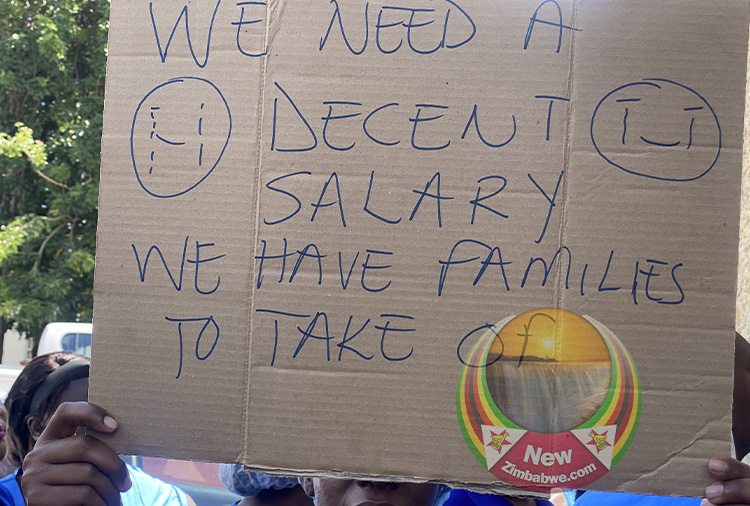

Nurses in Zimbabwe have embarked on job action over poor remuneration and working conditions, disrupting services at major public hospitals.
On Monday, nurses at Sally Mugabe Hospital staged demonstrations before heading back to their homes, leaving patients stranded.
At Parirenyatwa Hospital, some nurses were seen sitting in small groups, avoiding cameras, while activity in the wards dropped significantly.
Reports from the Zimbabwe Nurses Association (ZINA) also indicated that nurses at United Bulawayo Hospitals (UBH) staged protests, with police later called in to disperse the group.
The strike is expected to continue for at least two more days.
The industrial action follows what nurses describe as a disappointing US$30 salary increment for April, far below their expectation of around US$600 per month.
ZINA said its members had resolved to proceed with a nationwide shutdown after determining that the latest salary review “was only done as a token and not seriously meant to address the plight of nurses” .
ZINA had initially issued a notice to the government, through the Health Service Commission (HSC), over remuneration concerns, with the strike originally set to begin on April 15.
Following engagements in which authorities reportedly promised to raise salaries to about US$600, nurses say they were shocked to receive only a modest increase, paid in the local currency.
“We will not be reporting for duty in hospital wards starting today and throughout our three-day strike as we await a response from the Government,” nurses at Sally Mugabe Hospital have said. https://t.co/WPkgvbZG3E pic.twitter.com/Mw67OZsd6u
— NewZimbabwe.com (@NewZimbabweCom) April 20, 2026
This prompted the union to proceed with the strike after issuing a fresh 48-hour notice.
One of the nurses said they will not return to work until their concerns are addressed.
“We love our work and remain deeply committed to our patients. It is painful to step away from them, but we have reached a point where we simply cannot continue under the current conditions. This is what is driving the ongoing brain drain something we do not want, but feel we have no choice about. Our strike will continue in the hope that our employer finally listens to our concerns.
“The government must urgently review our salaries so we can afford basic necessities educating our children and putting food on the table. We have been pushed to the margins, to the extent that even rank marshals now mock our profession. It is unacceptable that a nurse cannot afford a basic standard of living.”
Nurses have long complained about low salaries and bad working conditions. Many say that even when they are willing to work, they lack the basic tools required to provide adequate care.
At referral hospitals, shortages of essential supplies have become routine, with facilities at times operating without basics such as gloves, bandages and even simple painkillers. Patients are often asked to purchase their own medical supplies, placing additional strain on already vulnerable households.
Zimbabwe has battled persistent inflation, high fuel prices and rising costs of basic commodities, eroding incomes across the public sector.
Formal employment opportunities remain limited, while many skilled professionals, including nurses, continue to leave the country in search of better pay and working conditions abroad.
The post Zimbabwe nurses down tools over poor salaries and working conditions appeared first on NewZimbabwe.com.