Zimbabweans escaping anti-immigrant tensions hit with five-year South Africa re-entry ban
Zimbabweans who voluntarily departed South Africa following anti-immigrant demonstrations could face up to a five-year ban from re-entering South Africa.
 Black News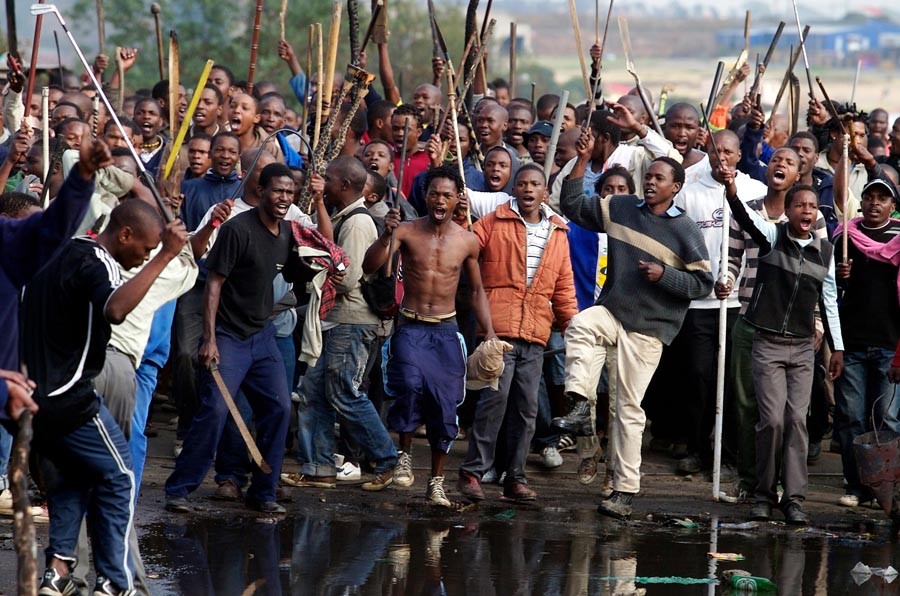

Zimbabweans who voluntarily departed South Africa following anti-immigrant demonstrations could face up to a five-year ban from re-entering South Africa.
- Hundreds of Zimbabwean nationals voluntarily left South Africa due to fear of xenophobic violence sparked by anti-immigrant demonstrations.
- Departing Zimbabweans were surprised to learn that leaving under these circumstances results in a five-year ban from re-entering South Africa.
- Many returnees, some of whom were documented workers, expressed despair as the ban impacts their livelihoods and ability to support families in Zimbabwe.
- The South African Department of Home Affairs stated the ban period depends on the individual’s unlawful stay, while consulates are responsible for travel documents.
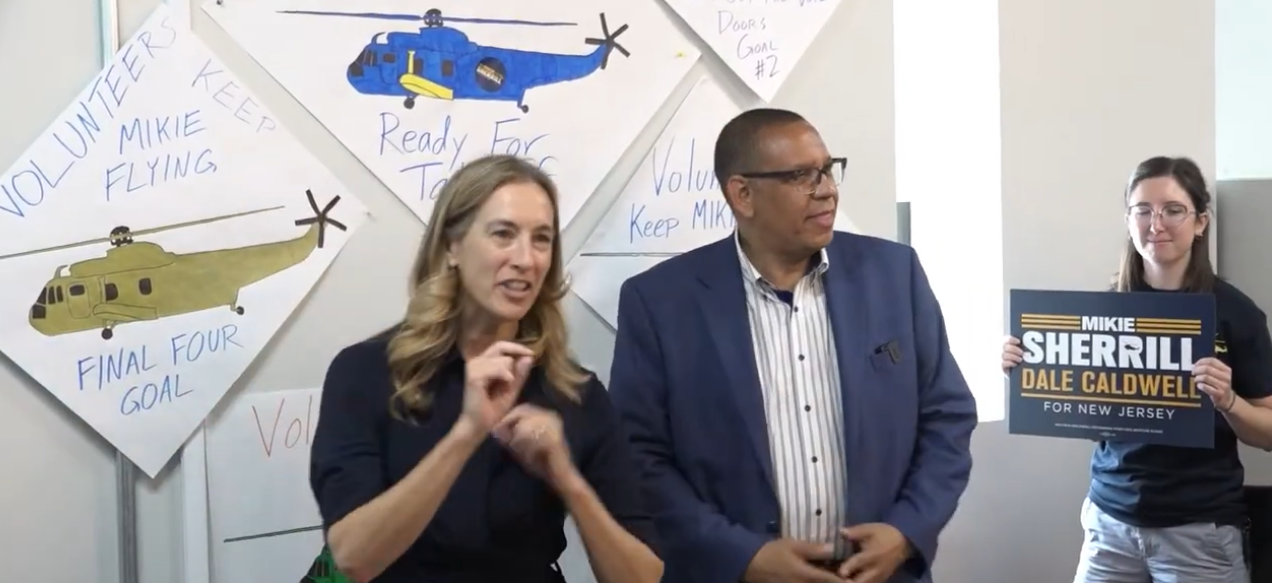
As tensions grew ahead of Yesterday’s anti-immigrant rallies, hundreds of Zimbabwean nationals gathered outside the Department of Home Affairs office in Epping, Cape Town, and demanded to voluntarily go back to Zimbabwe via the Beitbridge border crossing.
The urgency was driven by concerns that the nationwide protests could spark attacks on foreign nationals, despite repeated assurances from President Cyril Ramaphosa and Acting Police Minister Firoz Cachalia that law enforcement would ensure peaceful demonstrations while taking strong action against any acts of violence, intimidation, or xenophobia.
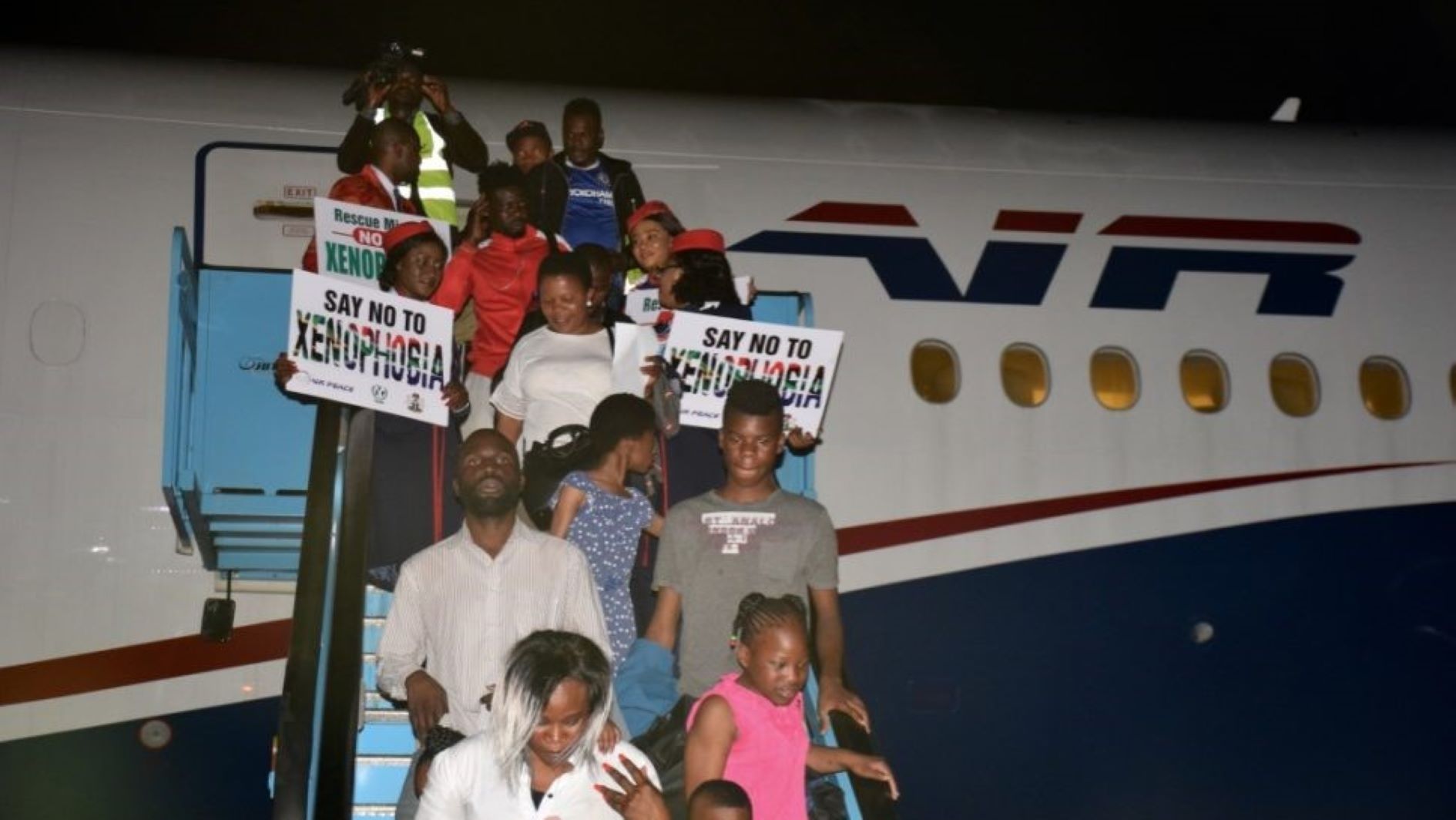
Authorities reported that three buses left Cape Town on Sunday, transporting a total of 231 passengers to Limpopo, where they would complete the necessary paper works before entering Zimbabwe at the Beitbridge border.
Among those making the journey were people who expressed shock and disappointment at the ramifications of the South African demonstration, as seen in Bulawayo.
Plight of Zimbabweans leaving South Africa
A 33-year-old Zimbabwean, Chrispen Bhebhe, who had spent the night sleeping outside the Home Affairs offices with his wife, hoping for a seat on a bus, was surprised to learn that departing under the existing procedure would result in a five-year ban on re-entering the country.
"I am told they are now banning us for five years, so I do not know how we will come back. There is nothing waiting for us in Zimbabwe. I left because I could not get a job," he said.
"I was sending money home to support my child, who lives with her grandmother. But we had to leave because we feared for our lives. Everywhere people were telling us to go home, and they even went to the farm where we were working," he added.
Another Zimbabwean in the same predicament expressed the a similar sentiment.
Gibson Nyamukwengu, a 43-year-old returnee who spent seven years working as a bus driver in Worcester, claimed that having documentation had not shielded him from the escalating animosity.
DON'T MISS THIS: South Africa sees rapid exit of other Africans from their country as threat of violence lingers
"I have all my papers, and my documents are up to date. I am here because it does not matter to these people whether you are documented or not. I knew these guys were going to beat you regardless," he said.
"I am supposed to return in September for my medication, but I do not know what I am going to do now. Here I am not being helped. I slept outside in the courtyard with women and children and got soaked by the rain. There was no humanity," he added.
According to Luthando Mavuso, a spokesperson for the Department of Home Affairs, the duration of an individual's designation as undesirable is determined by the period of their unlawful presence in South Africa.
"All we can do as Home Affairs is declare people undesirable. It is the responsibility of consulates and embassies to issue them with travel documents," he said.
For many returnees, the five-year re-entry prohibition is more than just a legal constraint; it jeopardizes their ability to earn a living, support family who rely on remittances, and access healthcare or career opportunities that are inaccessible back home.