Africa’s 2nd-largest oil producer suspends operations in key refinery amid unrest
Libya, Africa’s second-largest oil producer, has suspended operations at its largest oil refinery after violent clashes erupted near the facility west of the capital, Tripoli.
 Black News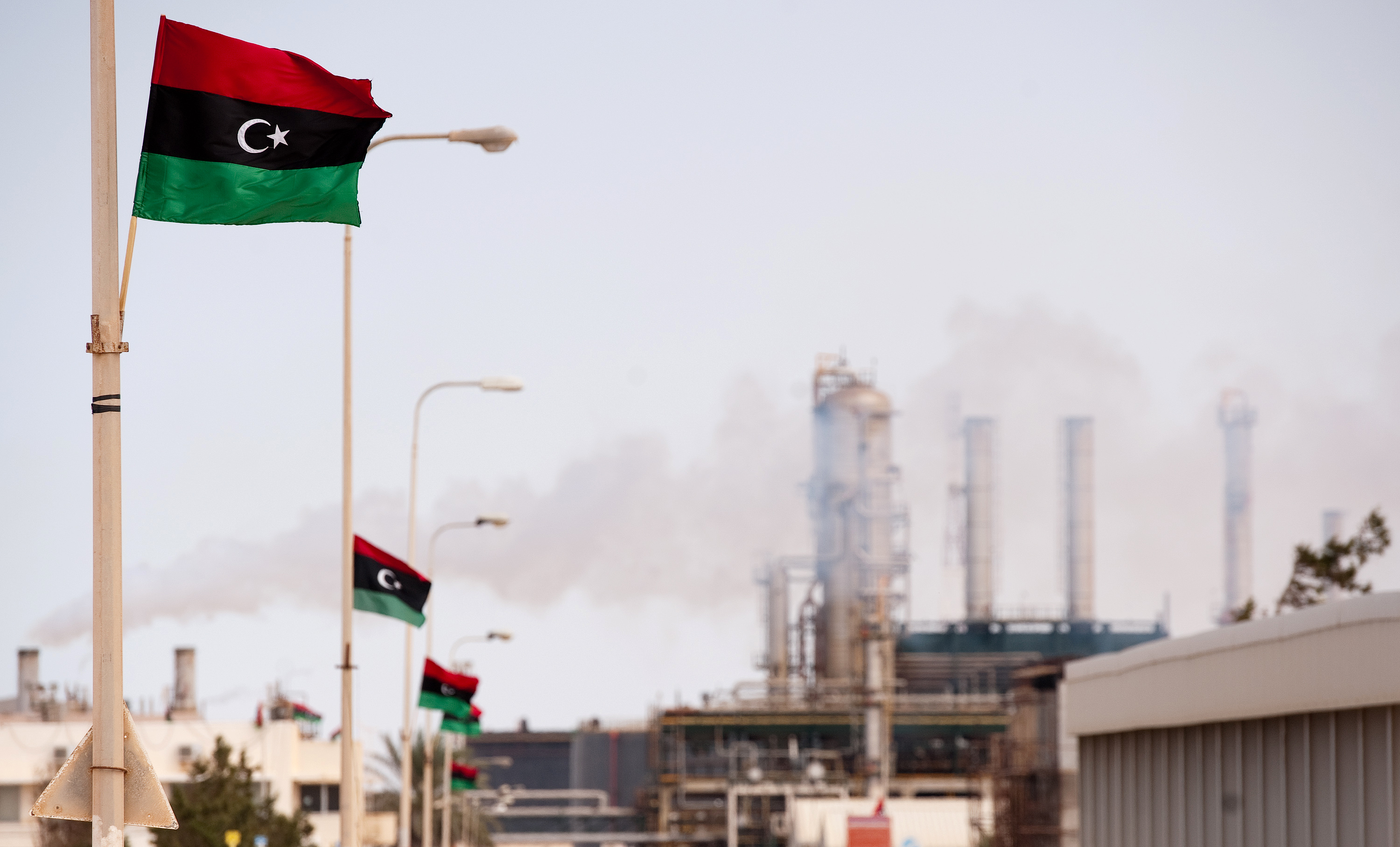
![Africa’s 2nd-largest oil producer suspends operations in key refinery amid unrest [Photo credit: LEON NEAL/AFP via Getty Images]](https://ocdn.eu/pulscms/MDA_/a3cd1877b3c3c32377dde851dfc722c5.jpg)
Libya, Africa’s second-largest oil producer, has suspended operations at its largest oil refinery after violent clashes erupted near the facility west of the capital, Tripoli.
- Libya's largest oil refinery, Zawiya, was shut down on May 8, 2026, due to violent clashes near the facility.
- Military projectiles struck the refinery, prompting emergency safety measures and the evacuation of all tankers, although significant damage was avoided.
- The ongoing conflict highlights the continued instability and factional rivalry in Libya since the fall of Muammar Gaddafi in 2011.
- Despite the shutdown, Libya's National Oil Corporation stated that fuel supply to Tripoli and surrounding areas remained unaffected.
The largest oil refinery in Libya, Zawiya, was forced to shut down on May 8, 2026. This followed an emergency declaration made by the company after violent conflicts between unidentified factions erupted near the facility.
The shutdown of the Zawiya refinery, which processes more than 120,000 barrels of crude oil per day, followed emergency safety measures taken after military projectiles struck parts of the complex amid escalating unrest.
The closure was reported by the refinery's operator, Azzawiya Oil Refining Company, a subsidiary of the National Oil Corporation (NOC).
A company spokesperson confirmed that all tankers were safely evacuated from the port after military projectiles struck various locations within the refinery. Despite the impact of these projectiles, officials confirmed that the facility had not suffered significant damage as of May 8.
Libya's extended conflict
The latest unrest near the Zawiya refinery reflects Libya’s long-running instability and fragmentation since the 2011 overthrow and killing of Muammar Gaddafi.
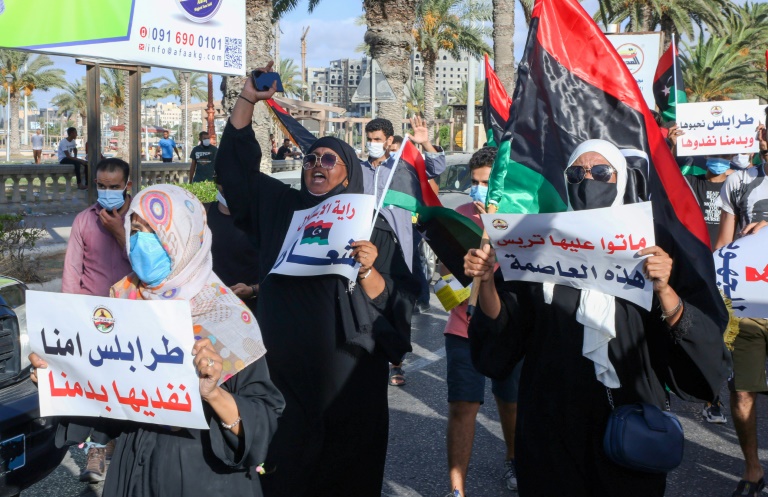
The country remains divided among rival political factions, militias, and armed groups competing for territorial control, state resources, and influence over Libya’s lucrative oil infrastructure.
The National Oil Corporation of Libya explained that the closure was necessary to protect the facility from potential damage or explosions as the conflict escalated and spread into residential areas.
Despite the clashes, the NOC confirmed that the conflict has not yet impacted the fuel supply to Tripoli and its surrounding environs.
While local security forces have neither confirmed the identities of those involved nor the cause of the fighting, Tripoli’s security directorate told Reuters that the conflict was a “security operation against outlaws."
This instability has significantly impacted Libya's industrial and economic progress. Consequently, when Real Economic Development (RED) released its latest annual report, Libya was not among the countries listed as being structured to meet the demands of high-scale industrialization.
Victor Awogbemila