Africa’s biggest solar mini-grid operator targets Nigeria, DR Congo with $650 million expansion
Africa’s largest solar mini-grid operator is preparing a $650 million investment to expand into Nigeria and the Democratic Republic of Congo (DRC), betting on two of the world’s biggest electricity-starved markets as demand for off-grid power accelerates across the continent.
 Black News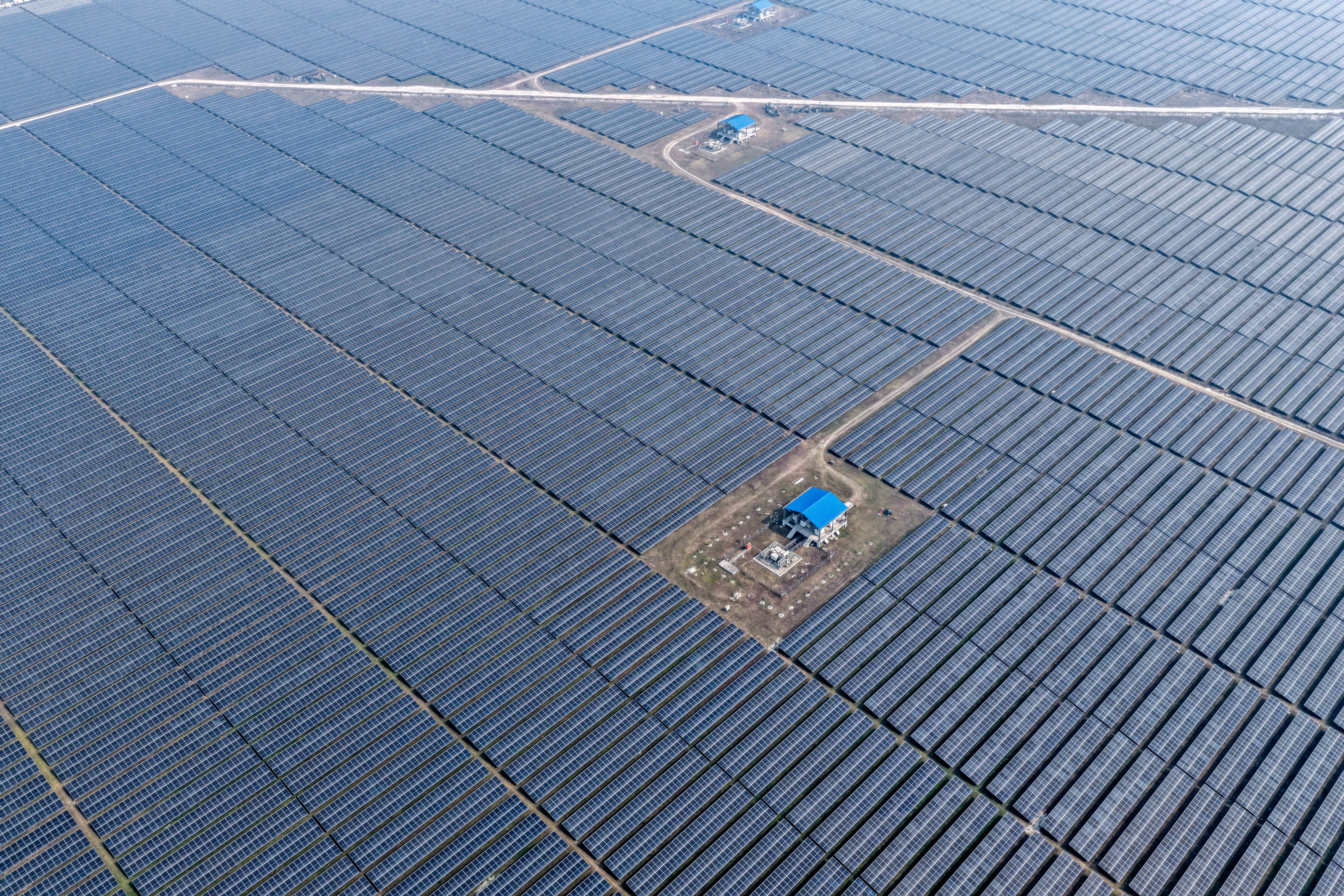
![Africa’s biggest solar mini-grid operator plans $650 million Nigeria, DRC expansion [Photo by Muhammad Amdad Hossain/NurPhoto via Getty Images]](https://ocdn.eu/pulscms/MDA_/f324d4bbd0e20f8519be4775f27013fd.jpg)
Africa’s largest solar mini-grid operator is preparing a $650 million investment to expand into Nigeria and the Democratic Republic of Congo (DRC), betting on two of the world’s biggest electricity-starved markets as demand for off-grid power accelerates across the continent.
- Africa’s largest solar mini-grid operator, WeLight, plans to invest $650 million to expand across Africa, with Nigeria and the DRC receiving the largest share.
- The company aims to increase its customer base tenfold and reach one million electricity connections by 2030.
- The expansion follows a new investment by the IFC and targets two countries with the world’s largest electricity access deficits.
- The move aligns with the World Bank and African Development Bank’s Mission 300 initiative to connect 300 million Africans to electricity by 2030.
WeLight, which develops and operates solar-powered mini-grids for communities beyond the reach of national electricity networks, said the expansion is designed to increase the number of people it serves tenfold by the end of the decade.
The move places the company at the centre of one of Africa’s biggest development and investment opportunities.
More than 560 million people in sub-Saharan Africa still lack access to electricity, with Nigeria and the DRC accounting for roughly 170 million of them, making both countries critical markets for investors seeking scalable clean energy solutions.
DON'T MISS THIS: US, UK, China investors on alert as Nigeria rolls out $750 million mini-grid solar initiative
The company plans to invest $450 million in Nigeria and the DRC, while another $200 million will be used to strengthen operations in Madagascar, Mali and a fifth African market that is yet to be announced.
“We are prepared for the next steps,” Chief Executive Officer Romain de Villeneuve said. “One million connections by 2030. I would like to be a bit earlier.”
The investment follows the International Finance Corporation (IFC) becoming a shareholder in WeLight last month alongside founding investors AXIAN Group, Sagemcom and Norfund. The company said the new backing will help accelerate its pan-African expansion strategy.
Nigeria and DRC become key battlegrounds
Nigeria and the DRC represent two of the world’s largest electricity access gaps despite their vast populations and growing economies.
Extending national power grids to remote communities remains expensive and slow, making solar mini-grids an increasingly attractive alternative.
The systems combine solar panels, battery storage and local distribution networks to provide electricity to homes, schools, healthcare facilities and small businesses that are unlikely to receive grid power anytime soon.
Improved electricity access is also expected to boost entrepreneurship, support rural industries, improve healthcare delivery and expand digital connectivity in underserved communities.
DON'T MISS THIS: Nigeria – DARES off-grid developers secure $83m IFC financing as investor confidence rises
![Africa’s biggest solar mini-grid operator plans $650 million Nigeria, DRC expansion. [Photo by Muhammad Amdad Hossain/NurPhoto via Getty Images]](https://ocdn.eu/pulscms/MDA_/3229477e944c70d51e10963653abe323.jpg)
Funding will rely on public and private capital
De Villeneuve said around half of the planned investment is expected to come from dedicated renewable energy financing programmes, including the World Bank-backed Distributed Access through Renewable Energy Scale-up (DARES) programme in Nigeria and the Mwinda Fund in the DRC.
The remaining financing will come from equity injections, including existing shareholders, and concessional debt.
“Private money cannot finance everything,” he said.
WeLight’s expansion comes as international development institutions ramp up efforts to close Africa’s electricity gap.
DON'T MISS THIS: African banks sit on $2.5 trillion as leaders race to bring electricity to 300 million people
The World Bank and the African Development Bank are leading Mission 300, an initiative aimed at connecting 300 million Africans to electricity by 2030 through a mix of national grid expansion and decentralised energy systems such as mini-grids.
The programme is expected to mobilise tens of billions of dollars in public and private investment over the coming years.
Founded in 2018, WeLight currently operates across Madagascar and Mali. The company is expanding from roughly 65,000 electricity connections to about 90,000 as it prepares for its next growth phase.
The latest investment signals growing confidence that decentralised renewable energy could become one of Africa’s fastest-growing infrastructure sectors, particularly in countries where traditional electricity networks have struggled to keep pace with population growth and economic demand.